
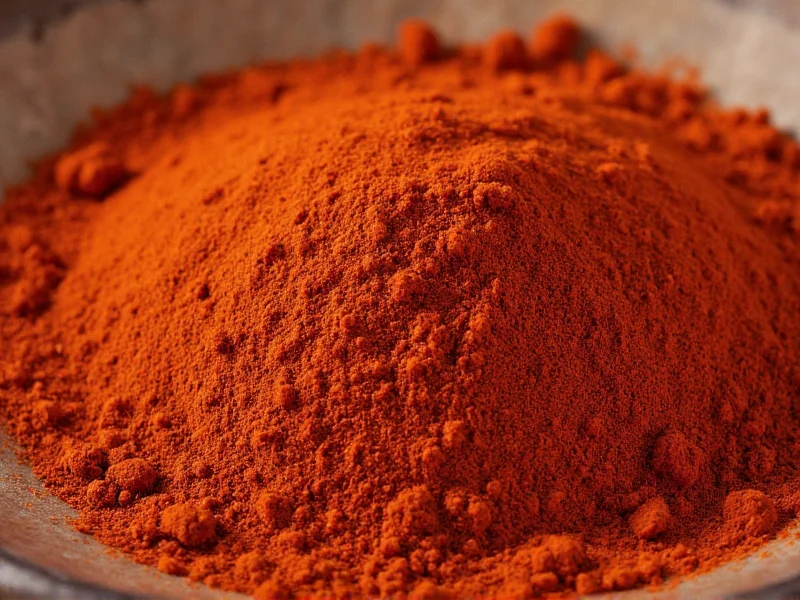
When exploring the world of paprika, many home cooks and culinary enthusiasts encounter confusion between Spanish-style paprika and smoked paprika. Understanding these spice distinctions matters because using the wrong type can dramatically alter your dish's flavor profile. Let's clarify these often-misunderstood ingredients with precise culinary knowledge.
What Defines Authentic Spanish Paprika
Spanish paprika, known as pimentón in Spain, originates primarily from the La Vera region in western Spain. This protected designation of origin (DOP) product follows strict production methods that have been perfected over centuries. The peppers used—typically ñora, jaranda, or jariza varieties—are carefully selected and processed using traditional techniques.
Spanish paprika comes in three main varieties:
- Pimentón Dulce - Sweet, mild version with no heat
- Pimentón Agridulce - Bittersweet with moderate heat
- Pimentón Picante - Spicy version with significant heat
Historical Evolution of Pimentón de la Vera
The distinctive production method of authentic Spanish smoked paprika developed through specific historical milestones that define its protected status today:
- 1520s: Peppers introduced to Spain from the Americas, establishing cultivation in the La Vera region
- 18th Century: Traditional oak-wood smoking technique developed as a preservation method in La Vera
- 1940s: Industrial production methods emerge while traditional smoking persists in La Vera
- 1999: Official Protected Designation of Origin (PDO) status granted by the European Union, legally restricting pimentón de la Vera to products meeting strict regional and production criteria (European Commission PDO Registry)
The Smoking Process That Creates Distinction
The critical factor that creates smoked paprika within Spanish production is the traditional smoking method. Authentic pimentón de la Vera undergoes a unique smoking process where the peppers dry for 10-15 days over slow-burning oak wood fires. This slow smoking imparts a distinctive smoky flavor that's integral to many Spanish dishes like paella, chorizo, and patatas bravas.
Not all Spanish paprika is smoked—pimentón dulce can be non-smoked—but the smoked varieties represent Spain's most famous paprika exports. The smoking process creates complex flavor compounds that differentiate it from regular sweet paprika.
Smoked Paprika Beyond Spanish Borders
While Spain produces the most renowned smoked paprika, other countries create their own versions. Hungarian smoked paprika exists but is less common than their traditional sweet varieties. Some American and other international producers create smoked paprika using different pepper varieties and smoking techniques.
These non-Spanish smoked paprikas often lack the nuanced flavor of authentic pimentón de la Vera because they may use:
- Different pepper varieties
- Shorter smoking periods
- Alternative smoking woods
- Industrial drying methods instead of traditional smoking
Comparing Flavor Profiles and Culinary Uses
The flavor differences between Spanish-style paprika and generic smoked paprika significantly impact cooking results. Here's how they compare:
| Characteristic | Spanish Smoked Paprika (Pimentón de la Vera) | Generic Smoked Paprika |
|---|---|---|
| Production Method | Peppers smoked 10-15 days over oak fires | Often machine-smoked for shorter periods |
| Flavor Complexity | Deep, complex smokiness with fruit notes | One-dimensional smoke flavor |
| Color | Bright brick-red to deep crimson | Often darker, sometimes muddy red |
| Heat Level Options | Sweet (dulce), semi-sweet (agridulce), spicy (picante) | Typically only sweet or hot varieties |
| Traditional Uses | Paella, chorizo, Spanish stews, roasted vegetables | BBQ rubs, smoked meats, general seasoning |
Contextual Boundaries for Optimal Paprika Selection
Successful paprika selection depends on specific culinary constraints that define when substitutions succeed or fail:
- Traditional Spanish Dishes: Authentic pimentón de la Vera is mandatory for PDO-protected recipes like chorizo and paella, where the oak-smoked flavor is a defining characteristic per EU specification (European Commission PDO Documentation)
- Smoke Intensity Requirements: Generic smoked paprika suffices for dishes requiring basic smokiness (e.g., barbecue rubs), but lacks the layered complexity needed for authentic Spanish cuisine
- Heat Level Precision: Spanish paprika's standardized categories (dulce/agridulce/picante) provide reliable heat control, whereas generic versions often have inconsistent Scoville ratings due to unregulated production
- Color-Sensitive Applications: Non-smoked sweet paprika is preferable in color-critical dishes like Hungarian goulash, as smoking can darken the final product
Shopping Tips for Authentic Products
To ensure you're getting genuine Spanish smoked paprika:
- Look for Pimentón de la Vera with DOP (Denominación de Origen Protegida) certification
- Check for the traditional smoking method description
- Authentic products typically list only "paprika" or "pimentón" as ingredients—no additives
- Spanish products will specify dulce, agridulce, or picante
When shopping for smoked paprika from other regions, examine the label for specifics about the smoking process. Vague terms like "smoked flavor" often indicate artificial smoke rather than genuine wood-smoked peppers.
Storage and Freshness Considerations
Paprika loses potency relatively quickly compared to other spices. For best results:
- Store in an airtight container away from light and heat
- Buy whole peppers and grind as needed for maximum freshness
- Replace smoked paprika every 6-12 months (sooner if the aroma fades)
- Freeze in portion-sized containers for long-term storage
The distinctive smoky aroma should be immediately apparent when opening a fresh container. If the scent is weak or musty, the paprika has likely lost its essential oils and flavor compounds.




 浙公网安备
33010002000092号
浙公网安备
33010002000092号 浙B2-20120091-4