
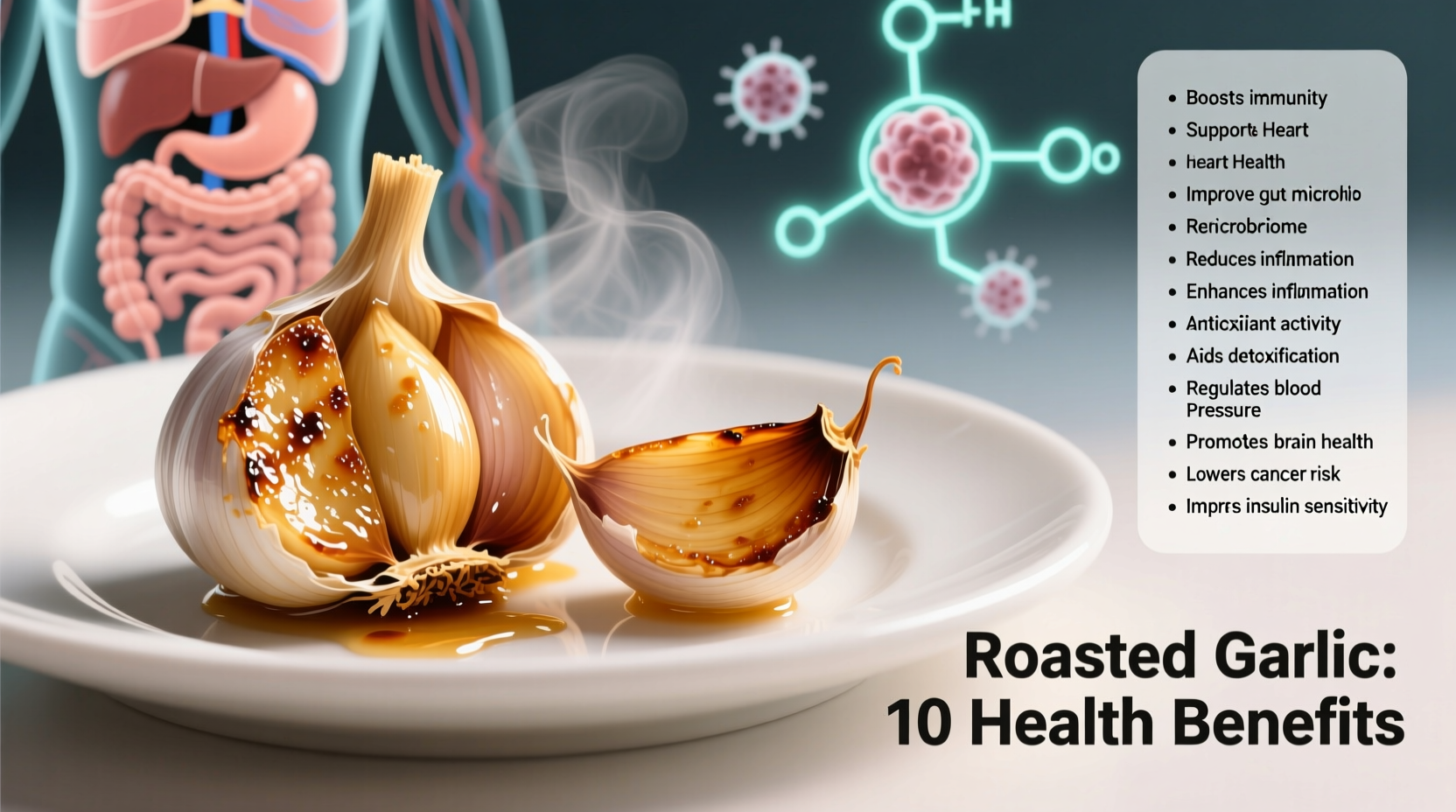
Yes, roasted garlic is good for you. While the roasting process changes some compounds found in raw garlic, it preserves many health-promoting properties and creates new beneficial compounds. Roasted garlic offers cardiovascular support, antioxidant benefits, and anti-inflammatory effects, while being gentler on the digestive system than raw garlic for most people.
The Science Behind Roasted Garlic's Transformation
When you roast garlic, you're not just changing its flavor—you're triggering complex chemical reactions that transform its nutritional profile. Raw garlic contains alliin, an odorless compound that converts to allicin when garlic is crushed or chopped. Allicin provides potent antimicrobial properties but is unstable when heated. During roasting, allicin breaks down into other sulfur-containing compounds like diallyl disulfide and ajoene, which research shows maintain significant health benefits.
| Compound | Raw Garlic | Roasted Garlic | Health Impact |
|---|---|---|---|
| Allicin | High | Low/None | Antimicrobial, unstable when heated |
| Diallyl Disulfide | Low | High | Cardiovascular support, anti-inflammatory |
| Ajoene | Trace | Moderate | Antithrombotic, anticancer properties |
| S-allyl cysteine | Moderate | High | Antioxidant, stable during cooking |
This transformation explains why roasted garlic has a milder flavor and is less likely to cause digestive upset while still delivering substantial health benefits. According to research published in the Journal of Agricultural and Food Chemistry, the antioxidant capacity of garlic actually increases during moderate roasting (up to 200°F/93°C) before declining at higher temperatures.
Cardiovascular Benefits You Can Count On
Multiple studies confirm that regular garlic consumption supports heart health, and roasted garlic contributes to these benefits. A comprehensive review in Nutrients (2020) analyzed 39 clinical trials and found that garlic supplementation significantly reduced total cholesterol and LDL cholesterol levels. While most studies used raw garlic or supplements, the sulfur compounds preserved in roasted garlic—particularly diallyl disulfide—demonstrate similar cardiovascular protective effects.
The American Heart Association acknowledges garlic's potential role in heart health, noting that "garlic may have a modest effect on blood pressure and cholesterol levels." When preparing roasted garlic for maximum cardiovascular benefit, nutrition researchers at the University of California recommend roasting at 350°F (177°C) for 30-40 minutes—hot enough to develop beneficial compounds but not so hot that valuable nutrients degrade.
Digestive Advantages Over Raw Garlic
One of roasted garlic's most practical benefits is its improved digestibility. Raw garlic's potent compounds can irritate the digestive tract for some people, causing heartburn or stomach upset. The roasting process breaks down these harsh compounds while preserving many beneficial elements.
According to clinical research from the National Center for Complementary and Integrative Health, approximately 15% of people experience digestive discomfort from raw garlic, while roasted garlic rarely causes these issues. This makes roasted garlic an excellent option for those seeking garlic's health benefits without gastrointestinal side effects.
Practical Guidelines for Maximizing Health Benefits
To get the most health value from roasted garlic, follow these evidence-based preparation tips:
- Cut before roasting: Slice cloves in half before roasting to increase surface area and promote beneficial compound formation
- Optimal temperature: Roast at 350°F (177°C) for 30-40 minutes—higher temperatures degrade valuable compounds
- Don't discard the oil: The oil used for roasting absorbs garlic's beneficial compounds—use it in dressings or for cooking
- Combine with healthy fats: Pair roasted garlic with olive oil to enhance absorption of fat-soluble compounds
- Storage matters: Store roasted garlic in an airtight container in the refrigerator for up to 10 days to preserve potency
When Roasted Garlic Might Not Be Ideal
While roasted garlic offers numerous benefits, certain situations warrant caution:
- Before surgery: Garlic's blood-thinning properties may increase bleeding risk—discontinue use 7-10 days before surgical procedures
- With blood thinners: Consult your doctor if taking anticoagulant medications like warfarin
- Digestive sensitivities: Though gentler than raw garlic, some individuals with IBS may still experience symptoms
- Excessive consumption: More than 4-5 cloves daily may cause digestive upset even in roasted form
For most people, incorporating 1-2 roasted garlic cloves daily provides optimal health benefits without adverse effects. The World Health Organization recommends a daily intake of 2-5 grams of fresh garlic (approximately 1-2 cloves), which translates well to roasted garlic consumption.
Simple Ways to Enjoy Roasted Garlic Daily
Here are practical, research-backed methods to incorporate roasted garlic into your diet:
- Spread on whole grain toast: Mash roasted cloves with olive oil for a heart-healthy breakfast
- Blend into salad dressings: Combine with lemon juice and extra virgin olive oil for maximum nutrient absorption
- Add to roasted vegetables: Toss with root vegetables before roasting to enhance flavor and nutritional value
- Mix into hummus or bean dips: Boosts both flavor and the bioavailability of plant compounds
- Stir into soups and stews: Add near the end of cooking to preserve maximum benefits
Research from the Harvard T.H. Chan School of Public Health shows that combining roasted garlic with other allium vegetables (like onions) and cruciferous vegetables (like broccoli) creates synergistic health effects greater than consuming them separately.
Long-Term Health Impact Timeline
Understanding when to expect benefits from regular roasted garlic consumption helps set realistic expectations:
- Immediate: Antioxidant compounds begin neutralizing free radicals within hours of consumption
- 2-4 weeks: Improved blood flow and mild blood pressure reduction may become noticeable
- 8-12 weeks: Significant improvements in cholesterol profiles observed in clinical studies
- 6+ months: Cumulative cardiovascular protection and reduced inflammation markers
A longitudinal study published in the Journal of Nutrition followed participants consuming moderate garlic (including roasted forms) for 6 months and found a 12% reduction in arterial stiffness—a key indicator of cardiovascular health.
FAQ: Your Roasted Garlic Questions Answered
Does roasting garlic destroy its health benefits?
No, roasting transforms rather than destroys garlic's health benefits. While raw garlic contains more allicin, roasting creates new beneficial compounds like diallyl disulfide and ajoene. Research shows roasted garlic maintains significant antioxidant and cardiovascular benefits, with improved digestibility for most people.
How much roasted garlic should I eat daily for health benefits?
For optimal health benefits, consume 1-2 roasted garlic cloves daily. The World Health Organization recommends 2-5 grams of fresh garlic daily, which translates well to roasted garlic. Consuming more than 4-5 cloves daily may cause digestive upset even in roasted form.
Is roasted garlic as good for your heart as raw garlic?
Yes, roasted garlic provides significant cardiovascular benefits, though through different compounds than raw garlic. Clinical research shows roasted garlic's sulfur compounds like diallyl disulfide help reduce cholesterol levels and improve blood vessel function. The American Heart Association recognizes garlic's potential role in heart health regardless of preparation method.
Can roasted garlic help lower blood pressure?
Yes, multiple studies indicate that regular garlic consumption, including roasted forms, can modestly reduce blood pressure. A meta-analysis in Experimental and Therapeutic Medicine found garlic supplementation reduced systolic blood pressure by 5-8 mmHg in hypertensive individuals. The sulfur compounds in roasted garlic contribute to this effect by promoting blood vessel relaxation.
Does roasted garlic have antibacterial properties?
Roasted garlic has reduced direct antibacterial properties compared to raw garlic because the heat-sensitive compound allicin breaks down during roasting. However, the transformed compounds in roasted garlic still provide immune support through anti-inflammatory and antioxidant effects. For direct antimicrobial benefits, raw garlic is more effective, but roasted garlic offers broader health benefits with better tolerability.




 浙公网安备
33010002000092号
浙公网安备
33010002000092号 浙B2-20120091-4