
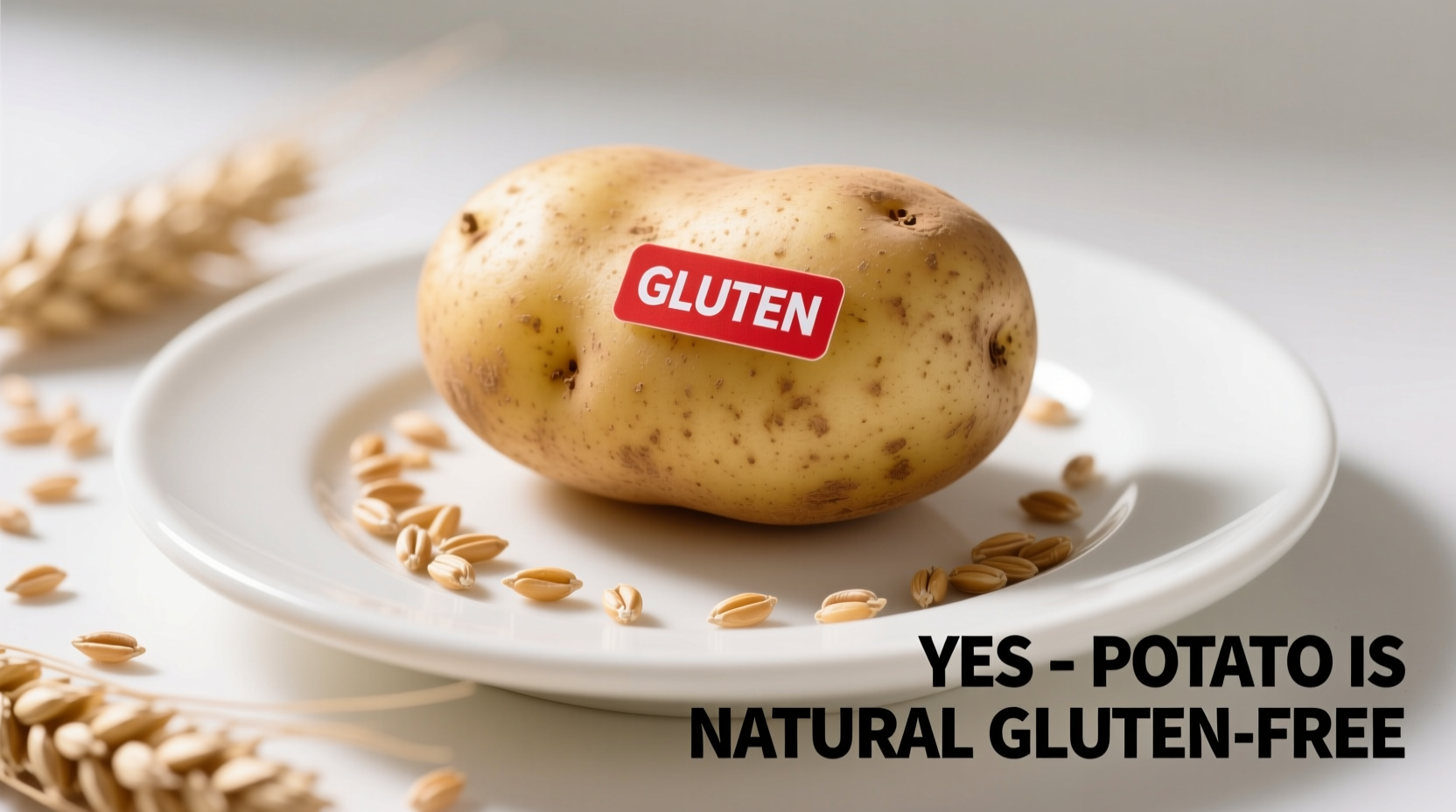
Discover exactly why potatoes are a reliable gluten-free staple, how to avoid hidden risks in processed forms, and practical ways to incorporate them into your diet with complete confidence.
Understanding Gluten and Why It Matters
Gluten refers to the natural proteins found in wheat, barley, and rye that give dough its elastic texture. For the approximately 3 million Americans with celiac disease, even small amounts of gluten trigger an autoimmune response that damages the small intestine. Another estimated 18 million people have non-celiac gluten sensitivity, experiencing uncomfortable symptoms without the intestinal damage.
The U.S. Food and Drug Administration (FDA) defines "gluten-free" as containing less than 20 parts per million (ppm) of gluten—the threshold considered safe for most people with gluten-related disorders. This standard helps consumers identify products that meet strict safety requirements.
Why Potatoes Are Naturally Gluten-Free
Botanically classified as tubers rather than grains, potatoes grow underground as modified stems that store energy for the plant. Unlike wheat, barley, or rye, potatoes don't contain the gliadin and glutenin proteins that form gluten when mixed with water.
| Food Category | Contains Gluten? | Naturally Gluten-Free Alternatives |
|---|---|---|
| Wheat, Barley, Rye | Yes | N/A |
| Most Grains | Often contaminated | Rice, Quinoa, Buckwheat |
| Potatoes | No | All varieties (russet, sweet, fingerling) |
| Corn | No | Polenta, corn tortillas |
This fundamental biological difference makes potatoes inherently safe for gluten-free diets. The USDA's National Nutrient Database confirms that raw potatoes contain zero grams of gluten while providing valuable nutrients like vitamin C, potassium, and fiber.
When Potatoes Might Not Be Safe
While potatoes themselves don't contain gluten, certain preparation methods and processed forms introduce risk:
- Pre-packaged potato products: Frozen french fries, instant mashed potatoes, and seasoned potato products often contain wheat-based thickeners or flavorings
- Restaurant preparation: Shared fryers used for both gluten-containing and gluten-free items can transfer gluten
- Processed potato derivatives: Some potato starch products may be contaminated during manufacturing
The Celiac Disease Foundation reports that cross-contamination accounts for nearly 30% of accidental gluten exposures in otherwise careful gluten-free diets. Always check labels on processed potato products for statements like "may contain wheat" or "processed in a facility with wheat."
Safe Potato Selection and Preparation Guide
Follow these practical steps to enjoy potatoes safely on a gluten-free diet:
At the Grocery Store
- Choose whole, unprocessed potatoes (russet, Yukon gold, red potatoes)
- Read labels carefully on pre-cut, seasoned, or frozen potato products
- Look for certified gluten-free labels on processed potato items
At Home
- Use separate cutting boards and utensils for gluten-free preparation
- Avoid flour-based dredges when frying or roasting
- Create naturally gluten-free seasonings using herbs, spices, and olive oil
When Dining Out
- Ask if fries are cooked in a dedicated gluten-free fryer
- Request plain baked potatoes without pre-made toppings
- Verify that mashed potatoes aren't made with flour-based thickeners
Maximizing Potato Benefits in Your Gluten-Free Diet
Potatoes offer significant nutritional advantages beyond being gluten-free. A medium russet potato with skin provides:
- 27 mg of vitamin C (45% of daily value)
- 926 mg of potassium (26% of daily value)
- 3.6 grams of fiber (14% of daily value)
- Natural energy from complex carbohydrates
For optimal nutrition, keep the skin on when possible and try different preparation methods. Roasted fingerling potatoes make excellent salad toppers, while mashed potatoes created with almond milk and olive oil provide a creamy, dairy-free side dish. Sweet potatoes offer additional beta-carotene benefits while remaining naturally gluten-free.
Common Misconceptions About Potatoes and Gluten
Several myths persist about potatoes and gluten that can unnecessarily limit dietary options:
- Myth: All starches contain gluten
- Fact: Only wheat, barley, and rye contain gluten; potato starch is gluten-free
- Myth: Potatoes cause inflammation like gluten
- Fact: Potatoes don't trigger autoimmune responses in gluten-sensitive individuals
- Myth: Sweet potatoes contain gluten
- Fact: Sweet potatoes are botanically unrelated to regular potatoes and also gluten-free
Understanding these distinctions helps create a more varied and satisfying gluten-free diet without unnecessary restrictions.




 浙公网安备
33010002000092号
浙公网安备
33010002000092号 浙B2-20120091-4