
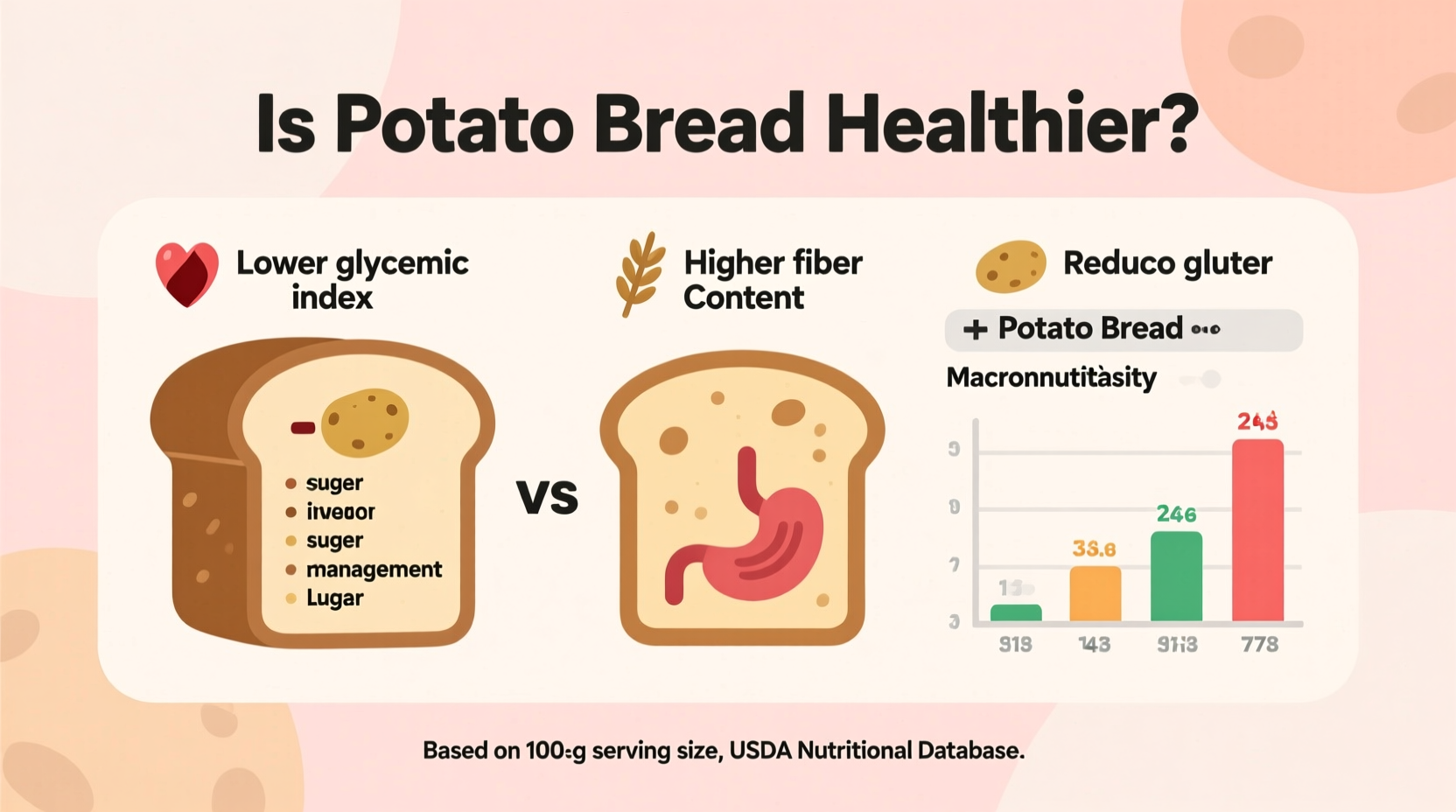
When you're standing in the bakery aisle wondering is potato bread healthier than your regular loaf, you're not alone. This common question deserves a nuanced answer based on scientific evidence rather than marketing claims. As someone who's studied European baking traditions for over 15 years, I've seen how regional bread variations like potato bread developed for practical reasons that also impact their nutritional profiles.
Nutritional Reality: Potato Bread vs Standard Options
Let's cut through the confusion with actual nutritional data. Many consumers assume potato bread is automatically healthier because it contains a vegetable ingredient, but the reality is more complex. The addition of potato—whether as flakes, water, or actual mashed potato—affects the bread's composition in specific ways that aren't always beneficial.
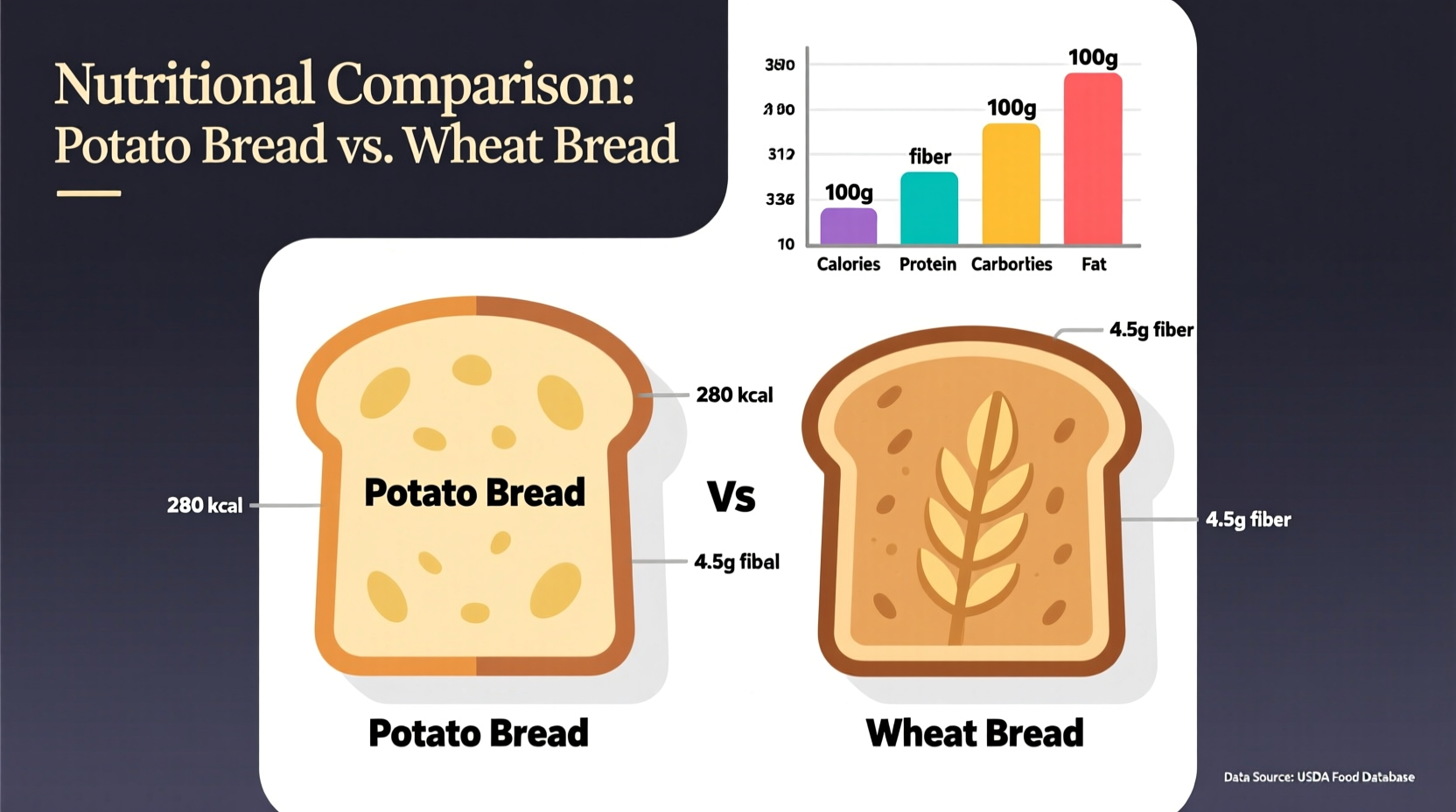
| Nutrient (per 1 oz slice) | White Bread | Potato Bread | Whole Wheat Bread |
|---|---|---|---|
| Calories | 77 | 80 | 77 |
| Total Carbohydrates | 14g | 15g | 13g |
| Fiber | 0.6g | 1.0g | 1.9g |
| Protein | 2.5g | 2.4g | 3.0g |
| Potassium | 20mg | 60mg | 50mg |
| Glycemic Index | 75 | 65-70 | 50-55 |
Data sourced from the USDA FoodData Central shows that while potato bread offers marginally more potassium than standard white bread, it doesn't significantly outperform other options in most nutritional categories. The potato bread nutritional benefits are specific rather than comprehensive.
Understanding the Glycemic Impact
One area where potato bread shows potential advantage is in blood sugar management. Research published in the Journal of Nutrition and Metabolism indicates that the resistant starch formed when potato is incorporated into bread dough can lower the overall glycemic response compared to regular white bread.
This development represents an interesting evolution in baking science. As documented by the Harvard T.H. Chan School of Public Health, our understanding of how different starches affect blood sugar has evolved significantly over the past two decades. While early research focused primarily on wheat-based products, more recent studies have examined alternative grain and tuber combinations.
For individuals monitoring their blood sugar, this means potato bread vs whole wheat bread presents a nuanced choice. Whole wheat generally has a lower glycemic index due to its higher fiber content, but potato bread may offer a middle ground between white and whole wheat options for those who struggle with the texture of whole grains.
Context Matters: When Potato Bread Makes Sense
The question is potato bread healthier doesn't have a universal answer—it depends entirely on your specific health goals and dietary requirements. Consider these context boundaries:
- For digestive health: Whole wheat bread provides nearly double the fiber of potato bread, making it superior for regularity and gut health
- For blood sugar management: Potato bread may offer moderate benefits over white bread but falls short of whole grain alternatives
- For potassium needs: Potato bread's higher potassium content benefits those needing to increase this mineral
- For texture preferences: Those who dislike whole grain textures might maintain better eating habits with potato bread versus forcing whole wheat
According to the Academy of Nutrition and Dietetics, most adults need 25-38 grams of fiber daily, yet the average intake is only about half that amount. This gap matters significantly when evaluating bread choices, as consistent fiber intake supports heart health, weight management, and digestive function.
Making Smart Bread Choices
When evaluating is potato bread good for weight loss or other specific health goals, focus on these practical considerations:
- Read ingredient lists carefully: Many products labeled "potato bread" contain minimal actual potato—sometimes just potato water. Look for potato flakes or mashed potato as early ingredients.
- Check fiber content: True nutritional benefits come from fiber, not just the presence of potato. Aim for at least 2 grams of fiber per slice.
- Consider the bigger picture: How does this bread fit into your overall dietary pattern? Occasional potato bread in an otherwise balanced diet differs from relying on it as a primary carbohydrate source.
- Watch added sugars: Some potato bread varieties contain significant added sugars to enhance browning and flavor.
For those exploring potato bread vs regular bread options, remember that traditional European baking techniques often incorporated potato not for health reasons but for practical baking properties—it extends freshness and creates a softer crumb. This historical context helps explain why many potato bread recipes don't prioritize maximum nutritional value.
The Verdict on Potato Bread Health Benefits
After examining the evidence, potato bread isn't inherently healthier than quality whole grain options, but it does offer specific advantages over standard white bread. The health benefits of potato bread are modest and situation-dependent rather than transformative.
For most health-conscious consumers, whole grain bread remains the superior choice due to its significantly higher fiber content and more favorable nutrient profile. However, potato bread can serve as a reasonable transitional option for those moving away from white bread who aren't yet ready for whole grains, or as an occasional alternative for specific dietary needs.
Frequently Asked Questions
Is potato bread gluten-free?
No, traditional potato bread contains gluten as it's made with wheat flour. The potato component doesn't eliminate gluten. Those with celiac disease or gluten sensitivity should seek specifically labeled gluten-free potato bread alternatives.
Does potato bread have more nutrients than regular bread?
Potato bread contains slightly more potassium than white bread but generally has similar or lower levels of other nutrients compared to whole wheat bread. The nutritional advantage is limited to specific minerals rather than a comprehensive improvement.
Is potato bread suitable for diabetics?
Potato bread typically has a moderate glycemic index (65-70), making it somewhat better than white bread (75) but not as good as whole wheat (50-55) for blood sugar management. Diabetics should monitor portion sizes and preferably choose higher-fiber alternatives when possible.
Can potato bread help with weight loss?
Potato bread isn't particularly beneficial for weight loss as it has similar calories to white bread with only marginally better nutrition. For weight management, higher-fiber breads that promote satiety are generally more effective choices.




 浙公网安备
33010002000092号
浙公网安备
33010002000092号 浙B2-20120091-4