
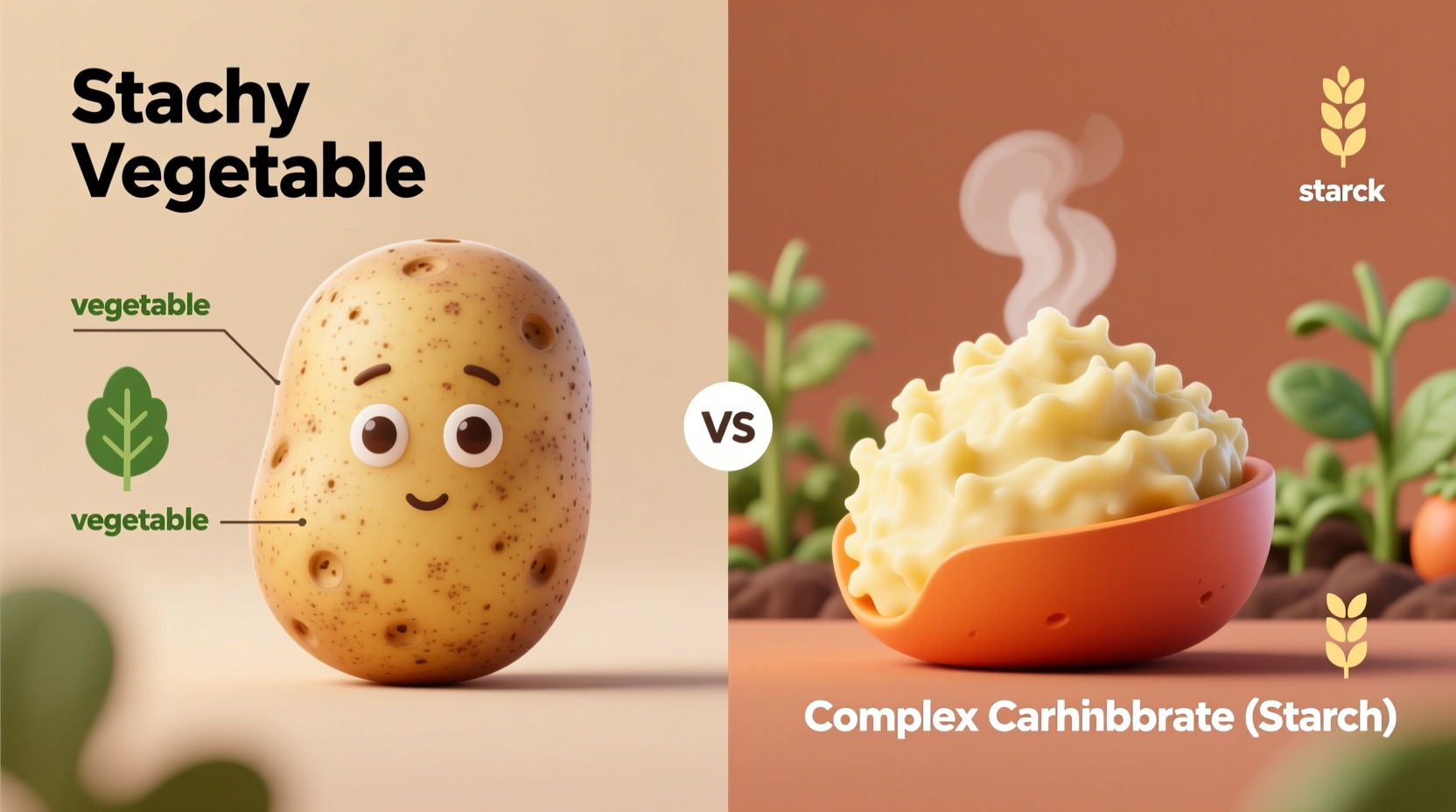
Yes, potatoes are botanically classified as vegetables but nutritionally treated as starchy carbohydrates. The USDA categorizes potatoes as a starchy vegetable, while botanical science identifies them as tubers from the Solanum tuberosum plant. This dual classification explains why potatoes count toward your vegetable intake but behave like carbohydrates in your diet.
Confused about whether to count your baked potato as a vegetable or a starch? You're not alone. This common nutrition question trips up home cooks, health-conscious eaters, and even dietitians. Let's cut through the confusion with science-backed clarity that will transform how you plan meals and understand food groups.
The Botanical Truth: What Potatoes Actually Are
From a plant science perspective, potatoes are tubers—swollen underground stems that store nutrients for the plant. They grow on the Solanum tuberosum plant, which belongs to the nightshade family (Solanaceae) alongside tomatoes and eggplants. This botanical classification makes potatoes vegetables by definition, as they're edible plant parts.
Unlike root vegetables (carrots, beets) which are actual roots, potatoes develop from the plant's stem system. This technical distinction matters because it affects how we categorize them nutritionally. The United States Department of Agriculture (USDA) confirms this botanical reality in their vegetable classification guidelines, listing potatoes under the "starchy vegetables" subgroup.
Why Nutritionists Treat Potatoes Differently
Here's where things get interesting: while botanists call potatoes vegetables, nutrition professionals emphasize their starch content. A medium potato contains about 37 grams of carbohydrates, with 27 grams coming from starch. Compare this to non-starchy vegetables like broccoli (6g carbs) or spinach (1g carbs), and you see why dietitians group potatoes with grains and legumes for meal planning.
| Food Item | Carbohydrates (per 100g) | Starch Content | Nutrition Group |
|---|---|---|---|
| Potato (boiled) | 17g | 15g | Starchy Vegetable |
| Brown Rice | 26g | 23g | Grain |
| Broccoli | 7g | 1g | Non-Starchy Vegetable |
| Black Beans | 20g | 15g | Legume |
This nutritional reality explains why diabetes organizations like the American Diabetes Association recommends treating potatoes like grains in meal planning. Their high glycemic index (78-111 depending on preparation) causes quicker blood sugar spikes than non-starchy vegetables.
How Food Guidelines Classify Potatoes Differently
The confusion stems from how various authorities categorize potatoes:
- USDA MyPlate: Lists potatoes under "Starchy Vegetables" but counts them toward your daily vegetable requirement
- World Health Organization: Classifies potatoes as "tubers" separate from vegetables in dietary guidelines
- American Heart Association: Groups potatoes with other starchy foods when discussing carbohydrate management
- Botanical Science: Clearly defines potatoes as vegetables (modified stems)
This classification timeline shows how our understanding has evolved:
| Time Period | Classification Approach | Key Development |
|---|---|---|
| Pre-1940s | Botanical only | Potatoes universally considered vegetables |
| 1940-1980 | Nutritional awareness begins | Recognition of high carbohydrate content |
| 1980-2000 | Separate starchy vegetable category created | USDA introduces subgroup classification |
| 2000-Present | Nutrition-focused categorization | Emphasis on glycemic impact in dietary guidance |
When Potatoes Count as Vegetables (and When They Don't)
Understanding context boundaries resolves much confusion. Potatoes function as vegetables in these scenarios:
- When counting toward your daily vegetable servings (USDA allows this)
- In botanical or agricultural contexts
- When discussing plant-based diets
But they behave as starches when considering:
- Blood sugar management for diabetes
- Low-carb or ketogenic diets
- Comparing nutritional profiles for meal planning
The Academy of Nutrition and Dietetics clarifies this duality in their position paper: "Starchy vegetables like potatoes, corn, and peas contain more carbohydrates than non-starchy vegetables and should be accounted for accordingly in meal planning, particularly for individuals managing blood glucose levels."
Practical Meal Planning Guidance
Here's how to navigate the potato paradox in real life:
- For general healthy eating: Count potatoes toward your vegetable intake but limit to 1 serving daily (1/2 cup cooked or 1 small potato)
- For blood sugar management: Treat potatoes like grains—pair with protein and non-starchy vegetables to slow glucose absorption
- For weight management: Choose baked or boiled over fried preparations to minimize calorie density
- For maximum nutrition: Eat potatoes with skin to retain fiber and nutrients (about 2g fiber per skin)
Research from the Harvard T.H. Chan School of Public Health shows that preparation method significantly impacts potatoes' health effects. Baking or boiling maintains more nutrients than frying, while cooling cooked potatoes increases resistant starch—which acts more like fiber in your digestive system.
Common Misconceptions Debunked
Myth: "Sweet potatoes are nutritionally identical to white potatoes."
Fact: Sweet potatoes contain more vitamin A and have a lower glycemic index, though both are starchy vegetables.
Myth: "All starchy vegetables are unhealthy."
Fact: Starchy vegetables provide important nutrients—potatoes offer potassium, vitamin C, and fiber when eaten with skin.
Myth: "Potatoes have no place in a healthy diet."
Fact: The Dietary Guidelines for Americans includes potatoes in healthy eating patterns when prepared without added fats or sugars.
When exploring traditional Andean cuisine during my field research in Peru, I discovered how indigenous communities have balanced potato consumption for millennia. They typically eat potatoes alongside protein-rich quinoa and non-starchy vegetables—a natural approach to balanced nutrition that modern science now confirms works well for blood sugar management.
Putting It All Together
The potato classification question isn't about choosing one category over another—it's about understanding context. Botanically, potatoes are vegetables. Nutritionally, they function as starchy carbohydrates. This dual identity explains why they count toward your vegetable intake but require mindful portioning.
Next time you're meal planning, consider potatoes as a vegetable that behaves like a starch. This nuanced understanding helps you make smarter choices whether you're managing diabetes, watching your weight, or simply trying to eat more vegetables. Remember that preparation method and portion size matter more than the classification debate when it comes to health outcomes.




 浙公网安备
33010002000092号
浙公网安备
33010002000092号 浙B2-20120091-4