
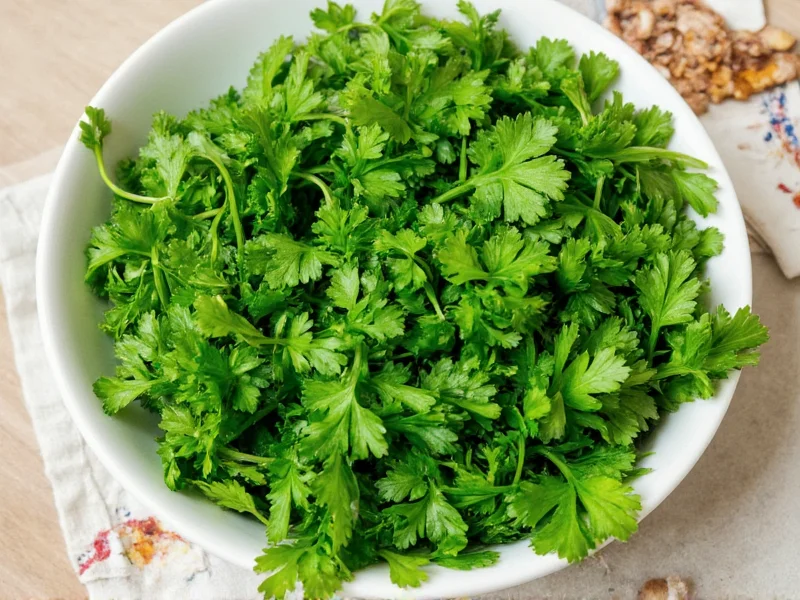
Why Confusing These Herbs Ruins Your Dishes
You've probably tossed cilantro into an Italian pasta, expecting parsley's subtle freshness, only to get an overwhelming citrus punch. Or used curly parsley in salsa, wondering why it lacks that essential zing. This confusion stems from their similar leafy appearance and shared botanical family (Apiaceae). But as chef Marcus Samuelsson notes in Yes, Chef, mistaking them "can turn a balanced dish into a flavor war." The real pain point? Wasting ingredients and compromising cultural authenticity in global cuisines.
Botanical Breakdown: What Makes Them Fundamentally Different
Despite both being Apiaceae members, their biological distinctions explain why substitutions fail. Parsley is a biennial herb (lives two years), while cilantro is an annual that bolts quickly in heat. This affects availability: cilantro thrives in cool spring/fall climates but wilts in summer, whereas parsley tolerates wider temperature ranges. Crucially, cilantro's leaves and stems are both used culinarily, while parsley stems are typically discarded or reserved for stocks due to their fibrous texture.
| Characteristic | Parsley | Cilantro |
|---|---|---|
| Botanical Name | Petroselinum crispum | Coriandrum sativum |
| Leaf Shape | Pointed, serrated edges | Rounded, lacy fan-like |
| Color & Texture | Darker green, structured, crisp | Lighter green, softer, droopy |
| Flavor Profile | Mild, grassy, lemony undertones | Strong citrusy, peppery, soapy note (for 21% of people) |
| Vitamin K (per 1/4 cup) | 658% DV (6x cilantro) | 104% DV |
| Culinary Origin | Mediterranean (Italian/French dishes) | Mexican/Thai/Indian cuisines |
Source: Nutritional data from MyFoodData and botanical details from NCSU Extension.
When to Use Each Herb: Critical Culinary Boundaries
Always choose parsley when:
- Preparing Mediterranean dishes like tabbouleh, gremolata, or French fines herbes
- Adding subtle freshness to creamy sauces (béchamel) without overpowering
- Needing vitamin K-rich garnish for salads (1/4 cup provides 3x daily requirement)
- Making Mexican/Thai/Indian dishes (salsas, guacamole, curries)
- Pairing with cumin, chili, or lime where citrus notes enhance spice profiles
- Using stems in stir-fries or soups for aromatic depth
Never substitute either in these cases: Cilantro in pesto (creates bitter soapy notes) or parsley in chimichurri (lacks essential citrus punch). As confirmed by Greatist, genetic variations (OR6A2 gene) cause 21% of people to taste cilantro as soap—making substitutions particularly risky for diverse audiences.
Spotting Quality: Market Selection Guide
Parsley red flags: Yellowing leaves indicate age; limp stems mean moisture loss. Opt for bunches with vibrant dark green, perky leaves. Curly parsley should spring back when squeezed—flat-leaf varieties should feel crisp.
Cilantro pitfalls: Avoid bundles with brown stems (sign of bolting) or yellow leaves. Fresh cilantro has a distinct citrus aroma; musty smells indicate spoilage. Since cilantro wilts faster, choose smaller bunches for immediate use. As noted in Sprouted Garden, cilantro's delicate nature means it rarely survives cross-country shipping well—farmers' market purchases yield superior flavor.
Practical Tips for Perfect Usage
- Storage hack: Trim cilantro stems and store upright in water (like flowers) covered with a plastic bag in the fridge. Parsley lasts longer in airtight containers with damp paper towels.
- Flavor preservation: Add cilantro at the end of cooking to retain citrus notes; parsley withstands longer simmering in soups.
- Genetic workaround: If cilantro tastes soapy to you, use lime zest + parsley for similar brightness without the soapiness (per Healthline research).
Everything You Need to Know
A specific variation in the OR6A2 olfactory receptor gene causes 21% of people to perceive cilantro's aldehydes as soapy. This genetic trait, confirmed in studies cited by Greatist, is inherited and unchangeable. Those affected often substitute lime zest + parsley for similar brightness without the soapiness.
No. Authentic guacamole relies on cilantro's citrusy-peppery notes to balance avocado's richness. Parsley's milder flavor won't provide the necessary zing, resulting in flat-tasting dip. As HowStuffWorks explains, this substitution fundamentally alters the dish's cultural profile.
Cilantro: Trim stems, place in water-filled jar, cover loosely with plastic bag, refrigerate (lasts 10-14 days). Parsley: Wrap in damp paper towel inside airtight container (lasts 2-3 weeks). Never wash before storage—moisture accelerates decay. NCSU Extension confirms cilantro's cool-climate preference makes proper storage critical for longevity.
Parsley significantly outperforms cilantro in vitamin K (6x more per serving), crucial for blood clotting and bone health. Cilantro provides more iron per volume but in negligible amounts for daily needs. Both offer antioxidants, but Healthline notes parsley's vitamin K density makes it superior for specific nutritional goals. Neither is a "superfood," but parsley delivers more measurable micronutrient value.
In the U.S., "cilantro" refers to the fresh leaves/stems of Coriandrum sativum, while "coriander" denotes the dried seeds. Internationally (Europe/India), "coriander" describes the entire plant. Sprouted Garden clarifies this causes frequent confusion: cilantro leaves ≠ coriander seeds, though both come from the same plant. The seeds have warm, citrusy notes distinct from the leaves' flavor.




 浙公网安备
33010002000092号
浙公网安备
33010002000092号 浙B2-20120091-4