
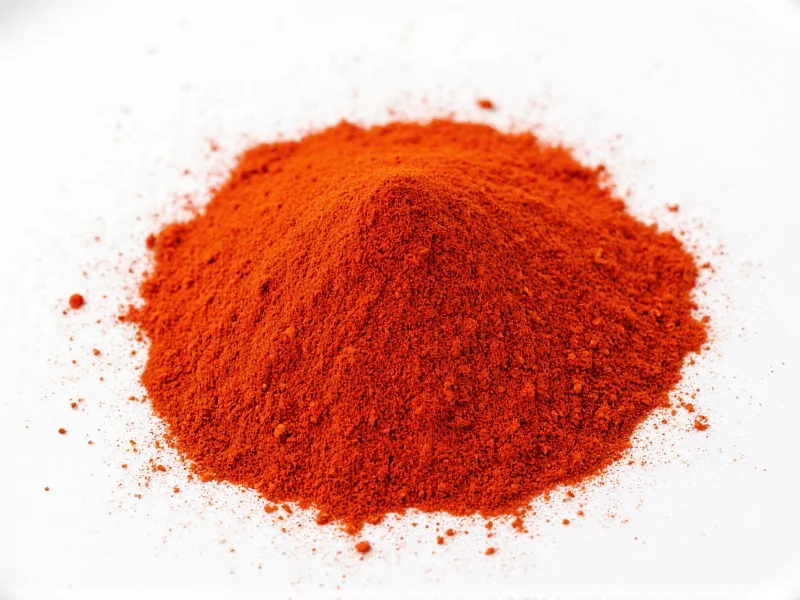
Understanding the difference between paprika and cayenne pepper is essential for home cooks and professional chefs alike. These two red spices often cause confusion due to their similar appearance and shared botanical origins, but they deliver dramatically different results in cooking. Getting them mixed up can transform a subtle dish into an unexpectedly fiery experience or leave a recipe lacking its intended depth of flavor.
What Exactly Is Paprika?
Paprika is a ground spice made from dried sweet or hot peppers belonging to the Capsicum annuum species. Originating in Central Mexico and popularized in Hungary, paprika comes in several varieties:
- Sweet paprika - Mild flavor with no heat (0-100 Scoville units)
- Hot paprika - Contains some heat but milder than cayenne (500-1,000 Scoville units)
- Smoked paprika - Made from peppers smoked over oak wood, available in sweet, medium, and hot varieties
- Hungarian paprika - Typically medium heat with rich flavor
- Spanish paprika (Pimentón) - Often smoked with varying heat levels
Paprika's flavor profile ranges from sweet and earthy to slightly fruity, with color varying from bright red to deep orange. The spice adds vibrant color to dishes without overwhelming heat in most varieties.
Understanding Cayenne Pepper
Cayenne pepper comes from Capsicum annuum var. grossum or frutescens peppers, typically long, slender red peppers. Unlike paprika which can be made from various peppers, cayenne specifically refers to a hotter variety.
With a Scoville rating of 30,000-50,000 units, cayenne delivers consistent, pronounced heat. It has a sharper, more pungent flavor profile compared to most paprikas, with citrusy notes beneath the heat. Cayenne is almost always used in small quantities to add heat without significantly altering a dish's color.
| Characteristic | Paprika | Cayenne Pepper |
|---|---|---|
| Heat Level (Scoville) | 0-1,000 (most varieties) | 30,000-50,000 |
| Primary Flavor | Sweet, earthy, smoky | Sharp, pungent, citrusy |
| Color Contribution | Strong (vibrant red) | Moderate (reddish) |
| Pepper Type | Variety of Capsicum annuum | Specific hot Capsicum varieties |
| Typical Culinary Use | Color and flavor base | Heat addition |
Key Differences Between Paprika and Cayenne
The most critical difference between paprika and cayenne pepper is heat intensity. While sweet paprika contains virtually no heat, even hot paprika varieties are significantly milder than cayenne. This heat discrepancy explains why substituting one for the other without adjustment can ruin a dish.
Another important distinction is their culinary function. Chefs use paprika primarily for its color and subtle flavor contribution, while cayenne serves almost exclusively to add heat. Paprika often forms the flavor base in dishes like goulash or paella, whereas cayenne typically appears as a finishing spice or in small quantities throughout cooking.
Can You Substitute Paprika for Cayenne (and Vice Versa)?
Substitution is possible but requires careful adjustment. When replacing cayenne with paprika:
- For sweet paprika: Use 3-4 times the amount of cayenne called for
- For hot paprika: Use 2 times the amount of cayenne called for
When substituting cayenne for paprika:
- Use only 1/8 to 1/4 teaspoon cayenne for every tablespoon of paprika
- Consider adding tomato paste or red bell pepper for color
Smoked paprika makes the best substitute when a recipe requires both color and some heat, but even then, you'll need to adjust quantities significantly.
Best Culinary Applications for Each Spice
Paprika shines in:
- Traditional Hungarian goulash
- Spanish paella and chorizo
- Deviled eggs and potato salad
- BBQ rubs (especially smoked paprika)
- Roasted vegetables for color enhancement
Cayenne excels in:
- Cajun and Creole cuisine
- Hot sauces and salsas
- Spicy marinades
- Adding heat to soups and stews
- Breakfast dishes like scrambled eggs
Proper Storage for Maximum Freshness
Both spices lose potency over time but require similar storage conditions. Keep paprika and cayenne in airtight containers away from light, heat, and moisture. The pantry works well, but for longest shelf life (up to 2 years), store them in the refrigerator or freezer.
Check freshness by aroma - fresh paprika should have a sweet, earthy scent while fresh cayenne delivers an immediate sharp, pungent aroma. If the scent is weak or musty, it's time to replace your spice.
Understanding Paprika Varieties for Better Cooking
Not all paprikas are created equal. Hungarian paprika comes in eight distinct varieties ranging from sweet to fiery hot. Spanish pimentón offers sweet (dulce), bittersweet (agridulce), and hot (picante) options, with many smoked over oak wood.
American paprika typically falls into sweet or hot categories without the nuanced varieties found in Europe. When a recipe specifies paprika without details, sweet paprika is the default assumption unless heat is explicitly mentioned.
Historical Evolution of Paprika and Cayenne
The journey of these spices from their origins to global kitchens spans centuries. According to the USDA Agricultural Research Service, Capsicum peppers were first domesticated in northeastern Mexico around 7500 BC. Christopher Columbus introduced them to Europe in 1493, where they quickly spread to Africa and Asia by the 1520s. Paprika became a cornerstone of Hungarian cuisine by the 16th century, evolving into the eight distinct varieties recognized today. Meanwhile, cayenne pepper (named after the city of Cayenne in French Guiana) gained prominence in global spice trade by the 17th century, particularly in hot sauces and regional cuisines.
Why the Confusion Between Paprika and Cayenne?
The confusion between paprika and cayenne pepper stems from several factors. Both produce vibrant red powders that look nearly identical in many dishes. Additionally, some hot paprika varieties approach mild cayenne heat levels, creating overlap in the spice spectrum.
Marketing practices contribute to the confusion too - some brands label hot paprika as "cayenne-style" without clarification. In certain regions, local naming conventions differ from standard culinary terminology, further muddying the waters for home cooks.
When Substitution Compromises Authenticity: Contextual Limitations
While substitution ratios provide a technical workaround, certain culinary contexts demand strict adherence to the original spice. The European Commission's Protected Geographical Indication (PGI) for Hungarian paprika specifies that authentic gulyás (Hungarian goulash) requires traditional Hungarian paprika to achieve its characteristic flavor and color. Substituting cayenne—even in adjusted quantities—alters the dish's cultural authenticity and sensory profile. Similarly, in Spanish paella, smoked paprika (pimentón) is irreplaceable for its distinct oak-smoked notes, which cayenne cannot replicate despite its heat.
Key limitations to consider:
- Traditional recipes: Dishes with PGI status (like Hungarian goulash) require specific spice varieties.
- Flavor balance: In delicate sauces (e.g., béchamel-based sauces), cayenne's sharp heat overwhelms where paprika's sweetness integrates smoothly.
- Color-critical dishes: Paprika's vibrant hue is essential for visual appeal in dishes like deviled eggs; cayenne's darker red may discolor the dish.
Final Thoughts on Paprika Versus Cayenne
While paprika and cayenne pepper share visual similarities and botanical origins, they serve distinct purposes in the kitchen. Understanding the difference between paprika and cayenne pepper prevents cooking mishaps and helps you make informed decisions when following recipes or creating your own dishes.
When shopping for these spices, read labels carefully - paprika comes in multiple varieties with varying heat levels, while cayenne consistently delivers significant heat. Building your knowledge of these red pepper spices enhances your culinary skills and ensures your dishes turn out as intended, whether you're preparing a mild Hungarian stew or a fiery Cajun sauce.




 浙公网安备
33010002000092号
浙公网安备
33010002000092号 浙B2-20120091-4