
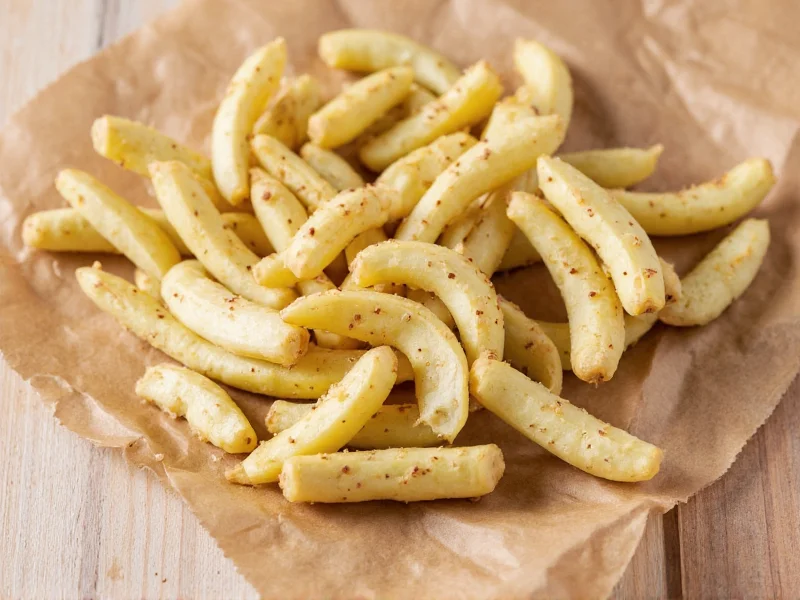
Horseradish (Armoracia rusticana) delivers a unique pungent experience that often surprises first-time users. Unlike capsaicin-based heat from chili peppers that lingers on your tongue, horseradish's spiciness hits your sinuses with an immediate, sharp burst that typically fades within minutes. This difference stems from the compound responsible for its heat: allyl isothiocyanate (AITC), which vaporizes easily and travels up your nasal passages.
The Science Behind Horseradish Heat
When you grate or crush horseradish root, you break plant cells containing myrosinase enzymes and sinigrin compounds. These combine to form allyl isothiocyanate—the same compound found in mustard and wasabi. This volatile compound stimulates the TRPA1 receptor in your nasal passages and sinuses, creating that familiar sinus-clearing sensation.
Interestingly, horseradish doesn't register on the Scoville scale (which measures capsaicin-based heat). Instead, food scientists measure its pungency in Horseradish Units. Freshly grated horseradish typically ranges from 50-100 units, while prepared versions vary based on vinegar content and processing.
Horseradish vs. Other Spicy Foods
Understanding how horseradish compares to other spicy ingredients helps set proper expectations:
| Spicy Ingredient | Heat Compound | Heat Location | Duration | Scoville Equivalent |
|---|---|---|---|---|
| Horseradish (fresh) | Allyl isothiocyanate | Nasal passages/throat | 1-5 minutes | N/A (50-100 Horseradish Units) |
| Wasabi | Same as horseradish | Nasal passages/throat | 30-90 seconds | N/A |
| Jalapeño pepper | Capsaicin | Tongue/mouth | 5-20 minutes | 2,500-8,000 SHU |
| Habanero pepper | Capsaicin | Tongue/mouth | 15-45 minutes | 100,000-350,000 SHU |
Factors That Affect Horseradish Spiciness
Several elements determine how spicy your horseradish experience will be:
- Preparation method: Freshly grated horseradish delivers maximum heat. The enzymatic reaction creating AITC peaks at about 3-5 minutes after grating, then gradually declines.
- Vinegar addition: Adding vinegar halts the enzymatic reaction, preserving a specific heat level. Early vinegar addition creates milder horseradish; delaying it produces more intense heat.
- Root age and storage: Fresher roots contain more sinigrin. Roots stored for months lose potency, resulting in milder flavor.
- Part of the root used: The outer layers typically contain higher concentrations of the compounds responsible for heat.
Managing Horseradish's Intense Flavor
Whether you're a horseradish enthusiast or a cautious first-timer, these practical tips help manage its powerful punch:
When grating fresh horseradish, work near running water or outdoors—this helps disperse the volatile compounds that cause tearing. Many professional chefs recommend using a food processor with the lid closed to minimize exposure to the vapors.
To reduce horseradish spiciness in prepared dishes, consider these approaches:
- Add dairy products like sour cream or yogurt, which contain casein that helps neutralize the compounds
- Balance with sweet elements like honey or sugar
- Dilute with additional non-spicy ingredients
- Allow prepared horseradish to sit for 15-20 minutes before serving—this lets some volatile compounds dissipate
Common Culinary Uses and Pairings
Horseradish's distinctive heat makes it a versatile ingredient across various cuisines. Its ability to cut through rich flavors explains why it pairs so well with fatty meats like roast beef and prime rib. In Eastern European cooking, horseradish often appears in beetroot salads and as a condiment for gefilte fish.
Chefs appreciate how horseradish enhances dishes without overwhelming them when used judiciously. Try these classic combinations:
- Mix with beets for traditional chrain sauce
- Blend with sour cream for seafood accompaniments
- Add to vinaigrettes for robust salads
- Stir into Bloody Mary cocktails for extra kick
- Combine with mayo for gourmet sandwich spreads
Understanding is horseradish spicy like wasabi helps explain why many restaurants substitute horseradish for authentic wasabi—the heat profile is similar, though wasabi's sensation is more fleeting. When wondering how spicy is horseradish compared to jalapeno, remember they affect different sensory receptors, making direct comparison difficult.
Storage and Shelf Life Considerations
Proper storage significantly impacts horseradish's potency and shelf life. Fresh roots stored in a perforated plastic bag in your refrigerator's crisper drawer maintain quality for 1-2 months. Once grated, horseradish begins losing potency within hours.
Commercially prepared horseradish typically contains vinegar to stabilize the heat level. These products maintain consistent spiciness for several months when refrigerated after opening. Notice how is prepared horseradish as spicy as fresh—most prepared versions are milder due to early vinegar addition that halts the enzymatic reaction.
Frequently Asked Questions
Why does horseradish burn your nose instead of your mouth?
Horseradish's heat compound (allyl isothiocyanate) is volatile and travels upward through your throat to your nasal passages. This stimulates the TRPA1 receptors in your sinuses rather than the TRPV1 receptors on your tongue that respond to capsaicin from chili peppers.
Does horseradish contain capsaicin?
No, horseradish does not contain capsaicin. Its heat comes from allyl isothiocyanate, a completely different compound than the capsaicin found in chili peppers. This explains why horseradish creates a different type of heat sensation.
How can I reduce horseradish spiciness in a dish?
Add dairy products like sour cream or yogurt, which contain casein that helps neutralize the compounds. You can also balance with sweet elements, dilute with additional ingredients, or let the prepared dish sit for 15-20 minutes before serving to allow some volatile compounds to dissipate.
Is horseradish spicier than wasabi?
Freshly prepared horseradish is generally spicier than authentic wasabi. Most "wasabi" served outside Japan is actually horseradish dyed green. True wasabi's heat is more intense initially but fades much faster (30-90 seconds) compared to horseradish's longer-lasting sensation (1-5 minutes).
Why does horseradish make you cry?
The same volatile compounds that create horseradish's heat (allyl isothiocyanate) irritate the mucous membranes in your eyes when they become airborne during grating. This triggers your eyes' natural defense mechanism—tearing—to wash away the irritant.




 浙公网安备
33010002000092号
浙公网安备
33010002000092号 浙B2-20120091-4