
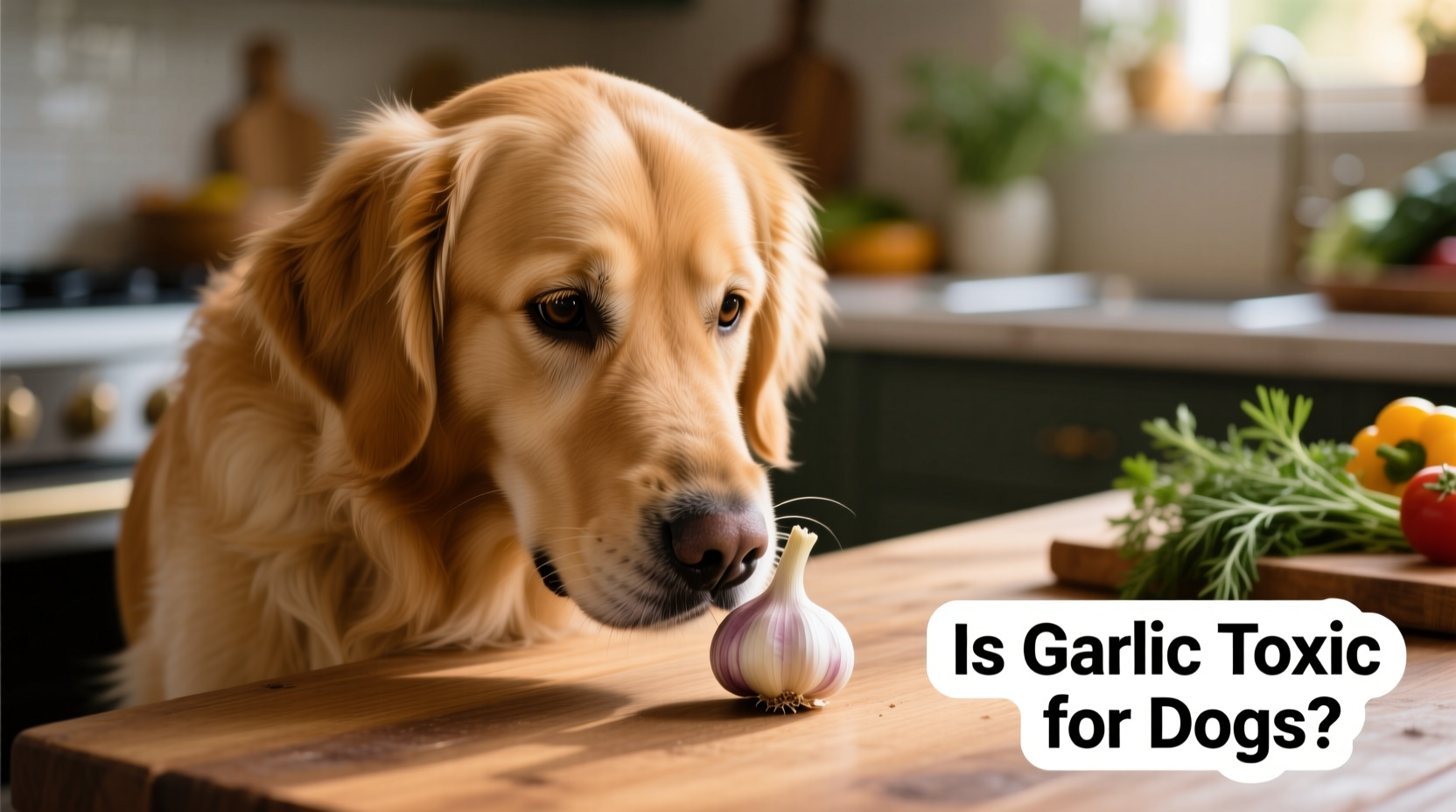
Many dog owners wonder is garlic toxic for dogs after accidentally sharing human food or considering natural remedies. The unequivocal answer is yes—garlic poses serious health risks to canines. Unlike humans, dogs lack the enzyme necessary to properly metabolize compounds in garlic, leading to potentially life-threatening conditions.
Why Garlic Poses Serious Risks to Dogs
Garlic belongs to the Allium family, which includes onions, leeks, and chives. These plants contain N-propyl disulfide, a compound that oxidizes hemoglobin in red blood cells, causing them to rupture. This condition, known as hemolytic anemia, reduces oxygen delivery throughout your dog's body.
According to the ASPCA Animal Poison Control Center, garlic is approximately five times more toxic to dogs than onions. The toxic dose varies by dog size and breed, but even small amounts can accumulate to dangerous levels over time.
| Allium Type | Toxicity Level for Dogs | Minimum Dangerous Amount* |
|---|---|---|
| Garlic | High | 15-30g per kg of body weight |
| Onion | Moderate | 5g per kg of body weight |
| Chives | High | Similar to garlic |
| Leek | Moderate | Similar to onion |
*Amounts are approximate and vary by individual dog sensitivity. Japanese breeds require special caution.
Symptom Timeline: What to Watch For After Garlic Exposure
Garlic toxicity symptoms don't appear immediately. Understanding this progression helps determine appropriate action:
- 0-24 hours: Vomiting, diarrhea, abdominal pain (early gastrointestinal signs)
- 1-4 days: Lethargy, weakness, pale gums (indicating developing anemia)
- 4-7 days: Dark urine (hemoglobinuria), rapid breathing, increased heart rate (severe anemia)
- 7+ days: Jaundice, collapse (critical condition requiring emergency care)
The Veterinary Centers of America emphasizes that symptoms may be delayed up to several days after ingestion, making early intervention crucial even if your dog seems fine initially.
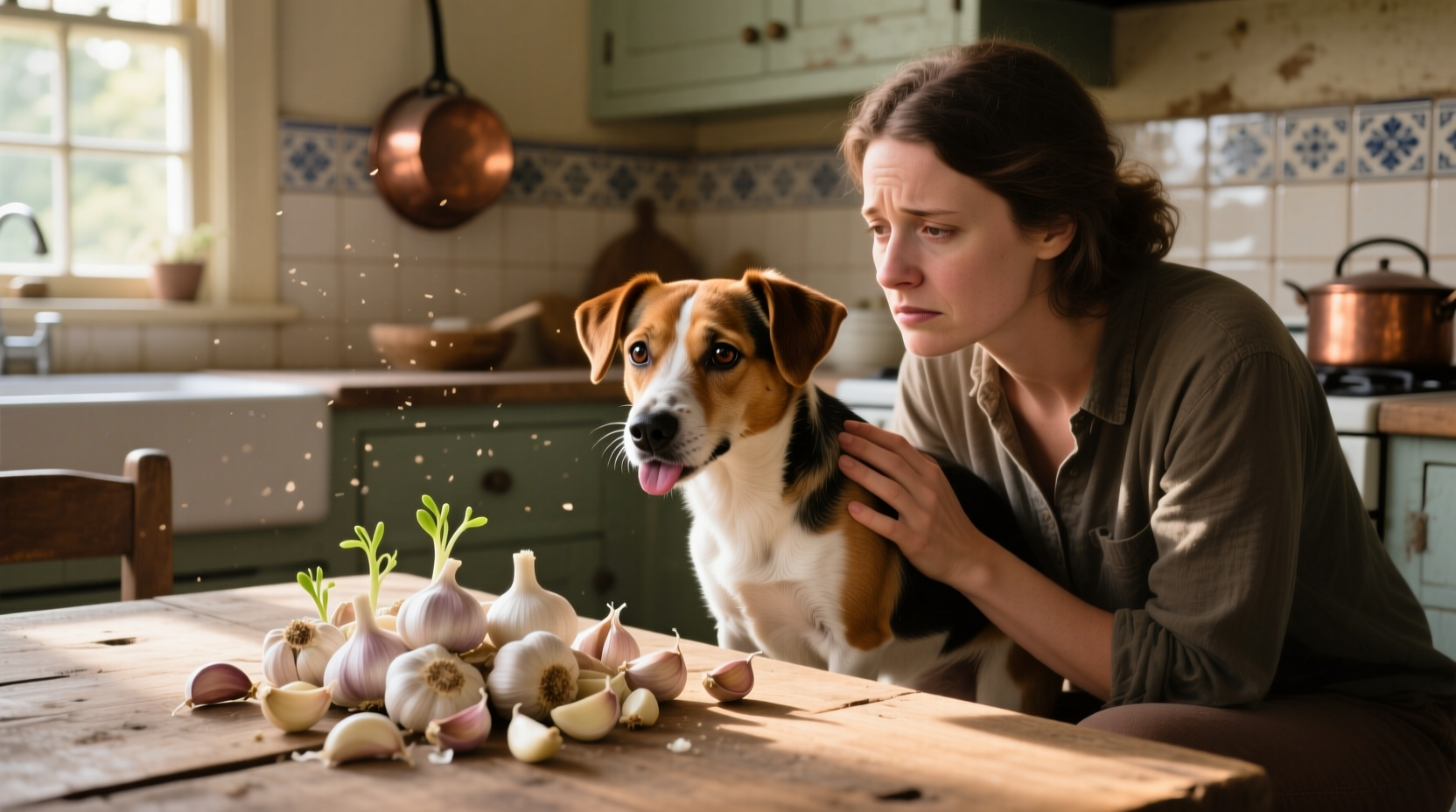
Immediate Actions: What to Do If Your Dog Eats Garlic
Time matters when addressing garlic poisoning in dogs. Follow these vet-recommended steps:
- Document the exposure: Note the amount consumed, form (powder, fresh, cooked), and time of ingestion
- Contact emergency veterinary services: Call ahead so they can prepare appropriate treatment
- Do NOT induce vomiting unless specifically instructed by a professional
- Bring packaging or remaining food to help veterinarians determine toxin concentration
Professional treatment may include intravenous fluids, oxygen therapy, and in severe cases, blood transfusions. The Pet Poison Helpline reports that prompt treatment significantly improves recovery outcomes for dogs with garlic toxicity symptoms.
Common Misconceptions About Garlic and Dogs
Despite widespread myths, garlic offers no proven health benefits for dogs that outweigh the risks:
- "Natural flea prevention" - No scientific evidence supports garlic as an effective flea treatment
- "Immune booster" - Any potential benefits are outweighed by toxicity risks
- "Cooked garlic is safe" - Cooking doesn't eliminate toxic compounds
- "Small amounts are harmless" - Toxicity can accumulate with repeated small exposures
The American Veterinary Medical Association explicitly warns against using garlic supplements marketed for dogs, noting that garlic for dogs dosage recommendations from non-veterinary sources lack scientific validation.
Preventing Garlic Exposure: Practical Safety Measures
Protect your dog with these evidence-based prevention strategies:
- Store human foods containing garlic out of reach—remember that garlic powder is more concentrated than fresh cloves
- Read pet food labels carefully—some "natural" dog foods contain garlic derivatives
- Train dogs the "leave it" command to prevent捡拾 potentially dangerous foods
- Inform all household members about garlic dangers for dogs
- Use pet-safe alternatives for homemade dog treats
Japanese breeds like Akitas and Shiba Inus have genetic differences that make them particularly vulnerable to garlic toxicity. If you own one of these breeds, exercise extra caution as they may experience severe reactions from smaller amounts.
When Garlic Exposure Might Not Require Emergency Care
While all garlic exposure warrants veterinary consultation, certain scenarios present lower immediate risk:
- Minimal exposure (a single small crumb from human food)
- Large breed dogs consuming amounts well below the toxic threshold
- Immediate professional consultation confirming low risk
However, never assume safety without professional assessment. The Merck Veterinary Manual notes that individual dog sensitivity varies significantly, making professional evaluation essential even for seemingly minor exposures.




 浙公网安备
33010002000092号
浙公网安备
33010002000092号 浙B2-20120091-4