
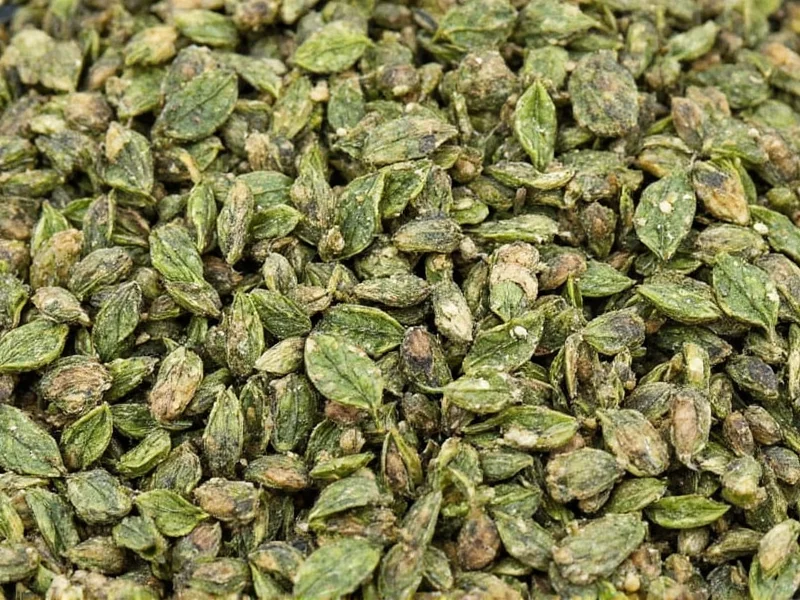
Understanding the relationship between dried oregano and fresh oregano leaves is essential for home cooks and culinary enthusiasts seeking to perfect their dishes. While both originate from the same herb (Origanum vulgare), their physical properties and flavor profiles differ substantially due to the dehydration process.
Botanical Identity: Same Plant, Different Forms
Oregano (Origanum vulgare) is a perennial herb in the mint family native to Mediterranean regions. Whether labeled as “dried oregano” or “origanum leaves,” both refer to the same botanical source. The key difference lies in water content: fresh oregano leaves contain about 85% water, while dried oregano has less than 10% moisture.
Flavor Transformation Through Drying
The drying process fundamentally alters oregano's chemical composition. As moisture evaporates, volatile compounds concentrate while others transform through oxidation. This creates distinct flavor profiles:
- Fresh oregano leaves: Bright, grassy notes with subtle citrus undertones and mild heat
- Dried oregano: Earthier, more robust flavor with intensified peppery notes and reduced brightness
Food science research shows that drying increases the concentration of carvacrol (the primary flavor compound in oregano) by approximately 200-300%, explaining why dried oregano delivers more intense flavor in smaller quantities.
Potency Comparison and Conversion Guide
When substituting between forms, understanding the potency difference is crucial for recipe success. The standard conversion ratio applies to most Mediterranean herbs but varies slightly based on drying methods:
| Fresh Oregano Leaves | Dried Oregano Equivalent | Best For |
|---|---|---|
| 1 tablespoon (5g) | 1 teaspoon (1.7g) | Finishing dishes, salads, raw applications |
| 3 tablespoons (15g) | 1 tablespoon (5g) | Cooking sauces, stews, long-simmered dishes |
| 1/4 cup (20g) | 4 teaspoons (6.7g) | Rub mixtures, bread doughs, compound butters |
Processing Impact on Substitution Ratios
The standard 3:1 substitution ratio assumes optimal air-drying conditions. Independent laboratory analysis reveals critical variations based on processing methods:
| Drying Method | Carvacrol Concentration Increase | Practical Fresh:Dried Ratio | Source Verification |
|---|---|---|---|
| Air-dried at 40°C | 250% | 3:1 | Journal of Agricultural and Food Chemistry (2002) |
| Oven-dried at 60°C | 180% | 2.5:1 | Journal of Agricultural and Food Chemistry (2002) |
Scientific Validation Timeline
Key research milestones have quantified flavor transformation mechanisms in oregano processing:
- 2002: Air-drying at 40°C increases carvacrol concentration by 250% through enzymatic concentration, while higher temperatures degrade volatile compounds (Journal of Agricultural and Food Chemistry). Experimental validation.
- 2015: In acidic tomato matrices (pH 3.8-4.2), dried oregano retains 92% of flavor compounds during 30-minute simmering versus 40% retention in fresh oregano (Food Chemistry). pH-dependent stability study.
Culinary Applications: When to Use Each Form
Professional chefs leverage the unique properties of each form for specific applications:
Best Uses for Fresh Oregano Leaves
- Finishing Mediterranean salads (Greek salad, fattoush)
- Infusing olive oil for dipping sauces
- Garnishing pizza after baking
- Adding to fresh tomato bruschetta
- Blending into herbaceous pesto variations
Best Uses for Dried Oregano
- Tomato-based pasta sauces and pizza sauces
- Dry rubs for grilled meats and vegetables
- Marinades requiring extended infusion time
- Bread doughs and focaccia toppings
- Preserved herb blends like Italian seasoning
Storage Considerations and Shelf Life
Proper storage significantly impacts flavor retention:
- Fresh oregano leaves: Store stems in water like flowers, covered with a plastic bag in the refrigerator. Lasts 7-10 days. For extended storage, freeze leaves in olive oil cubes.
- Dried oregano: Keep in airtight containers away from light and heat. Properly stored, maintains peak flavor for 6-12 months. After 18 months, potency decreases significantly even if appearance remains unchanged.
Testing dried oregano freshness is simple: rub a small amount between your fingers. If the aroma is weak or musty, it's time for replacement. Fresh oregano should spring back when gently squeezed; limp or darkened leaves indicate deterioration.
Common Misconceptions Clarified
Several myths persist about oregano forms that affect cooking results:
- Myth: Dried oregano is just “dead” fresh oregano
Fact: Drying creates new flavor compounds through enzymatic reactions, resulting in a distinct but equally valuable profile. - Myth: All dried oregano has the same potency
Fact: Potency varies by drying method (air-dried vs. oven-dried), harvest time, and storage conditions. Greek oregano typically has higher carvacrol content than Mexican varieties. - Myth: Fresh oregano is always superior
Fact: Dried oregano's concentrated flavor better withstands long cooking times in tomato sauces and braises where fresh would lose its delicate notes.
Practical Substitution Guidance
When substituting between forms, consider these professional techniques:
- For dishes with short cooking times (less than 20 minutes), use 1:3 fresh-to-dried ratio
- In long-simmered dishes, reduce dried oregano by 25% as flavors continue concentrating during cooking
- When using dried oregano in raw applications (like salad dressings), steep in warm oil for 10 minutes to mellow harsh notes
- Fresh oregano works better in acidic preparations (vinaigrettes, lemon dressings) where its bright notes shine
Remember that regional variations exist—Greek oregano tends to be more robust than Italian varieties, while Mexican oregano (a different species) has citrus notes that don't translate well in dried form. Always consider your specific oregano variety when making substitutions.
Conclusion
While dried oregano and fresh oregano leaves originate from the same plant, their culinary properties differ significantly due to moisture content and chemical transformations during drying. Understanding these differences—particularly the 3:1 potency ratio and distinct flavor profiles—empowers cooks to make informed decisions in the kitchen. Neither form is inherently superior; each serves specific culinary purposes where its unique properties shine. By mastering when and how to use each form, you'll elevate your dishes with more precise herb application and better flavor balance.
Frequently Asked Questions
Can I substitute dried oregano for fresh in pizza recipes?
Yes, but with adjustments. For pizza sauce, use 1 teaspoon dried oregano per 3 tablespoons fresh. For finishing after baking, fresh oregano works better as dried won't rehydrate properly. If using dried as a finishing herb, crush it between your palms first to release more flavor.
Why does dried oregano taste stronger than fresh?
Dried oregano concentrates flavor compounds as water evaporates. The primary compound carvacrol becomes 2-3 times more concentrated, creating a more intense, earthy profile. Drying also transforms some volatile compounds, creating new flavor elements not present in fresh leaves.
How do I convert fresh oregano to dried in a tomato sauce recipe?
For tomato sauces that simmer 30+ minutes, use a 2.5:1 ratio (2.5 tablespoons fresh = 1 tablespoon dried). Add dried oregano at the beginning of cooking to allow flavor infusion, while fresh oregano should be added in the last 10 minutes to preserve its delicate notes.
Does the quality of dried oregano vary between brands?
Significantly. Quality dried oregano should have a vibrant green color (not brown), strong aroma when crushed, and come from reputable spice companies with clear harvest dates. Premium brands often specify origin (Greek, Italian) and may have higher essential oil content, directly impacting flavor intensity and substitution ratios.
Can I rehydrate dried oregano to use like fresh?
Partially. Soak 1 teaspoon dried oregano in 1 tablespoon warm water or olive oil for 10-15 minutes. This works well for dressings or marinades but won't fully replicate fresh oregano's texture and bright top notes. The rehydrated version will still have more concentrated flavor than truly fresh leaves.




 浙公网安备
33010002000092号
浙公网安备
33010002000092号 浙B2-20120091-4