
Understanding whether Dr Pepper affects your health requires examining its ingredients, nutritional profile, and how it compares to other beverages. This analysis provides evidence-based insights to help you make informed decisions about including this popular soft drink in your diet.
Breaking Down Dr Pepper's Core Ingredients
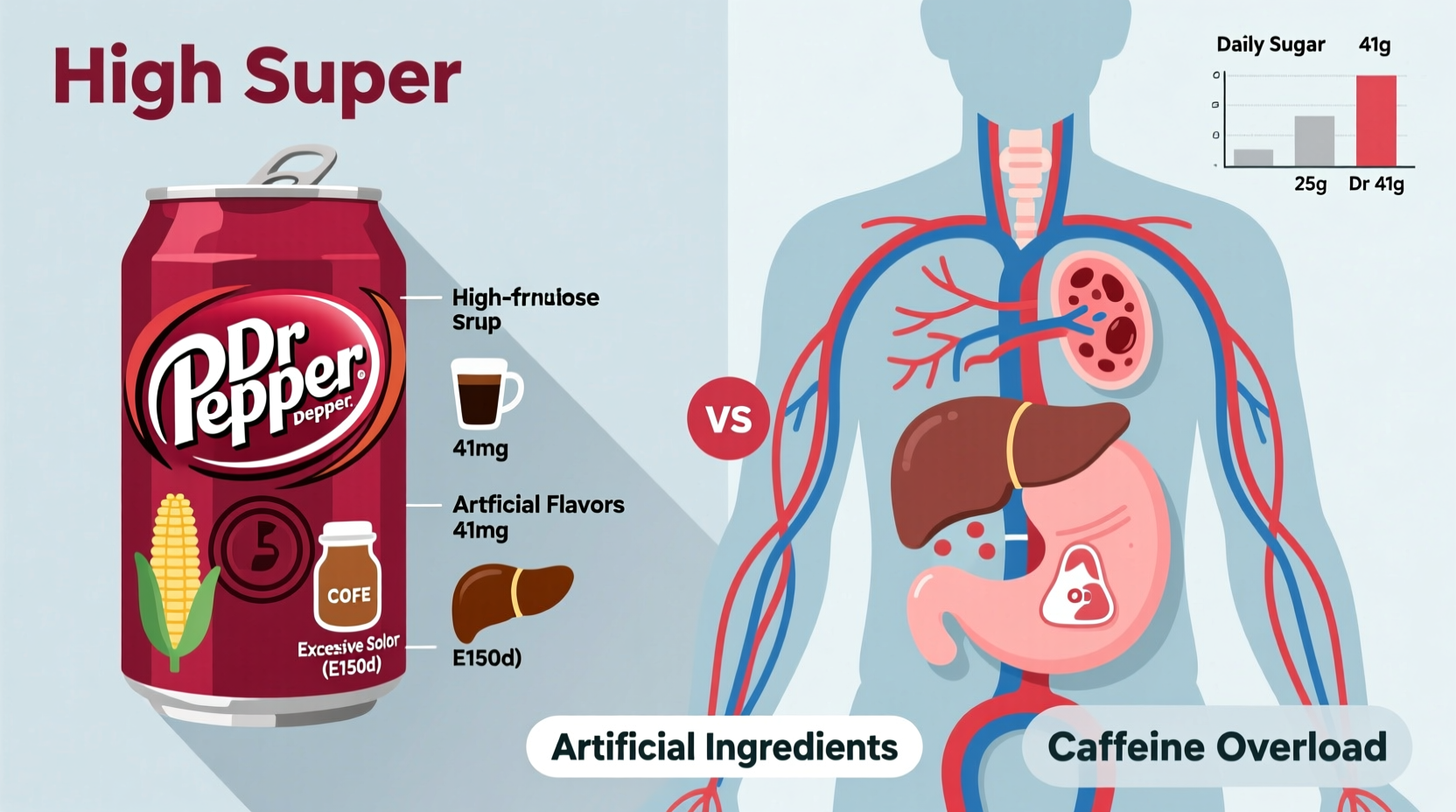
Dr Pepper's distinctive flavor comes from a blend of 23 fruit flavors, though the exact recipe remains proprietary. The standard version contains carbonated water, high fructose corn syrup, caramel color, phosphoric acid, natural and artificial flavors, sodium benzoate (preservative), and caffeine. Each component plays a role in the drink's taste, appearance, and shelf life, but also contributes to its health profile.
Sugar Content: The Primary Health Concern
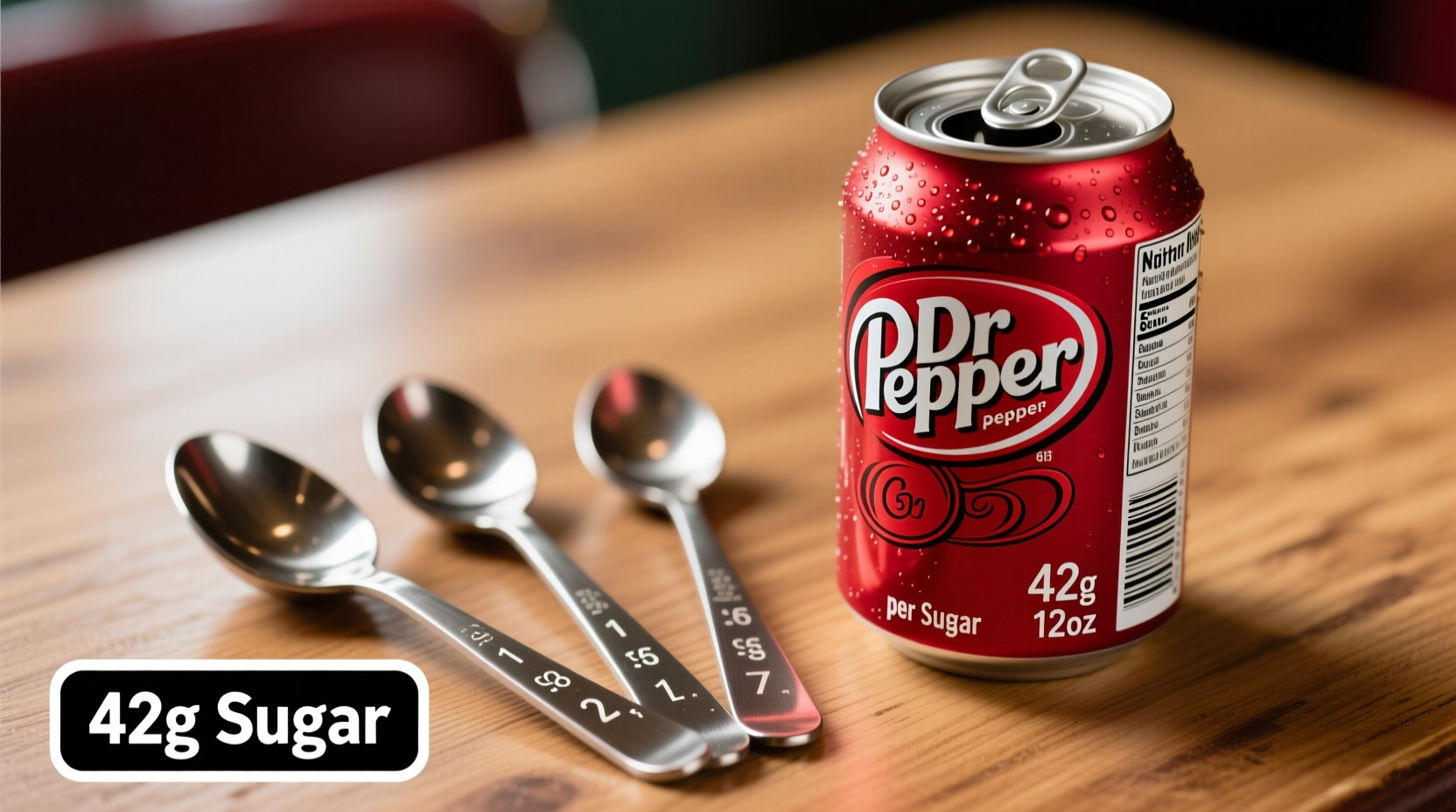
A single 12-ounce can of Dr Pepper contains 40 grams of sugar, equivalent to about 10 teaspoons. This amount represents:
| Daily Sugar Intake | AHA Recommendation | One Can of Dr Pepper |
|---|---|---|
| Women | 25g (6 teaspoons) | 160% of daily limit |
| Men | 36g (9 teaspoons) | 111% of daily limit |
| Children (ages 2-18) | 25g maximum | 160% of daily limit |
The American Heart Association recommends no more than 25 grams of added sugar daily for women and 36 grams for men. Consuming just one can of Dr Pepper exceeds these guidelines significantly, especially for women and children. Regular consumption contributes to excessive sugar intake, which the CDC identifies as a major factor in obesity, type 2 diabetes, and heart disease.
Artificial Ingredients: Understanding the Impact
Dr Pepper contains several artificial components that raise questions for health-conscious consumers:
- Caramel color (Class IV) - Contains 4-methylimidazole (4-MEI), a potential carcinogen found in many brown-colored sodas. While the FDA considers current levels safe, the California Office of Environmental Health Hazard Assessment lists it as a substance known to cause cancer.
- Sodium benzoate - A preservative that, when combined with vitamin C, can form benzene (a known carcinogen). The FDA monitors benzene levels in beverages and maintains they're within safe limits.
- Artificial flavors - The exact composition is proprietary, making independent health assessment difficult. The FDA generally recognizes these as safe (GRAS), though some consumers prefer to avoid unspecified additives.
Caffeine Content: Moderation Matters
With 41 mg of caffeine per 12-ounce serving, Dr Pepper falls in the moderate range compared to other caffeinated beverages. This amount is less than coffee (95-200 mg per cup) but more than many other sodas. For most healthy adults, up to 400 mg of caffeine daily is considered safe according to FDA guidelines. However, children, pregnant women, and those sensitive to caffeine should monitor their intake from all sources, including Dr Pepper.
Comparing Dr Pepper to Other Popular Sodas
When evaluating whether Dr Pepper is bad for you, context matters. How does it stack up against similar beverages?
- Sugar comparison: Dr Pepper (40g) contains slightly more sugar than Coca-Cola (39g) and Pepsi (41g) per 12-ounce serving, but significantly more than Sprite (38g).
- Caffeine comparison: Dr Pepper (41mg) has more caffeine than Coca-Cola (34mg) but less than Mountain Dew (54mg) and Pepsi (38mg).
- Dental impact: All sodas share similar risks for tooth enamel erosion due to phosphoric acid and citric acid content. Research from the American Dental Association shows sugar content combined with acidity creates a double threat to dental health.
When Dr Pepper Poses Greater Health Risks
Certain health conditions and lifestyle factors make Dr Pepper consumption more problematic:
- Diabetes management - The high sugar content causes rapid blood glucose spikes, making it challenging for people with diabetes to maintain stable blood sugar levels.
- Weight management efforts - Liquid calories don't trigger the same satiety signals as solid food, potentially leading to overconsumption of calories without feeling full.
- Dental health concerns - Frequent consumption increases risk of cavities and enamel erosion, especially when sipped throughout the day.
- Caffeine sensitivity - Those sensitive to caffeine may experience anxiety, sleep disturbances, or increased heart rate from regular consumption.
Contextual Boundaries: When Moderate Consumption Might Be Acceptable
Complete elimination isn't necessary for everyone. The key is understanding contextual boundaries where occasional consumption fits within a healthy lifestyle:
- Overall dietary pattern - If your diet is otherwise rich in whole foods, nutrients, and low in added sugars, an occasional Dr Pepper likely won't derail your health goals.
- Physical activity level - Active individuals who burn significant calories may have more flexibility with occasional sugary beverages.
- Frequency and portion size - Having one regular Dr Pepper occasionally differs significantly from daily consumption of multiple servings.
- Health status - Those without diabetes, prediabetes, or significant weight concerns have more dietary flexibility than those managing these conditions.
Healthier Alternatives Worth Considering
If you enjoy Dr Pepper's unique flavor but want to reduce health impacts, consider these alternatives:
- Dr Pepper Zero Sugar - Contains no sugar or calories but uses artificial sweeteners (aspartame and acesulfame potassium). While generally recognized as safe, some prefer to avoid artificial sweeteners.
- Sparkling water with flavor drops - Add natural flavor to unsweetened sparkling water using stevia-based flavor drops for minimal calories.
- Iced tea with natural flavoring - Brew black or green tea and add natural fruit flavors like orange or cherry for a similar taste profile without excessive sugar.
- Infused water - Create your own fruit-infused water with combinations that mimic Dr Pepper's flavor notes (cherry, citrus, and vanilla).
Practical Recommendations for Informed Consumption
Based on current nutritional science, here are evidence-based recommendations for managing Dr Pepper consumption:
- Limited to special occasions rather than daily consumption
- Choose smaller portion sizes (8 ounces instead of 12 or 20 ounces)
- Avoid drinking immediately after meals to prevent compounding sugar intake
- Rinse mouth with water after consumption to reduce dental erosion
- Track your overall added sugar intake to ensure it stays within AHA guidelines
- Consider gradually reducing consumption if you're a regular drinker
Finding Balance in Your Beverage Choices
While Dr Pepper isn't inherently "bad" in strict medical terms, its high sugar content and artificial ingredients make it a poor choice for regular consumption. The occasional can as part of an otherwise balanced diet likely won't cause harm, but daily intake contributes to health risks associated with excessive sugar consumption. Your individual health status, dietary patterns, and consumption frequency ultimately determine whether Dr Pepper fits within your personal health goals. By understanding the facts and making informed choices, you can enjoy beverages you love while prioritizing your long-term wellbeing.




 浙公网安备
33010002000092号
浙公网安备
33010002000092号 浙B2-20120091-4