
Confused about Dr. Pepper's corporate parentage? You're not alone. Millions of consumers mistakenly believe Dr. Pepper belongs to either Coca-Cola or PepsiCo. Let's clarify this common misconception once and for all with verified facts about the brand's actual ownership structure and distribution arrangements.
Understanding Beverage Company Ownership Structures
Many consumers assume all major soft drinks must fall under Coca-Cola or PepsiCo because these two companies dominate the beverage landscape. However, the reality is more complex. The beverage industry includes several major players, each with their own portfolio of brands.
| Company | Founded | Key Beverage Brands | Market Capitalization (2023) |
|---|---|---|---|
| Coca-Cola Company | 1892 | Coca-Cola, Sprite, Fanta, Minute Maid, Dasani | $270 billion |
| PepsiCo | 1965 | Pepsi, Mountain Dew, Gatorade, Tropicana, Aquafina | $250 billion |
| Keurig Dr Pepper | 2018 (merger) | Dr Pepper, 7UP, Snapple, A&W, Canada Dry, Keurig | $35 billion |
This comparison shows why confusion arises—Dr. Pepper appears alongside Coke and Pepsi products in stores, but belongs to a completely separate corporate entity. The $35 billion Keurig Dr Pepper operates independently from both beverage giants, though it's significantly smaller than its competitors.
Dr. Pepper's Ownership Timeline: From 1885 to Today
Understanding Dr. Pepper's corporate journey explains why ownership confusion persists. The brand has changed hands multiple times while maintaining its distinctive identity:
- 1885: Created by pharmacist Charles Alderton in Waco, Texas
- 1923: Dr Pepper Company incorporated, remaining independent for decades
- 1978: Merged with Canada Dry to form Dr Pepper/Seven-Up, Inc.
- 1986: Acquired by Cadbury Schweppes (British confectionery company)
- 2008: Spun off as Dr Pepper Snapple Group, an independent U.S. company
- 2018: Merged with Keurig Green Mountain to form Keurig Dr Pepper (KDP)
Throughout this timeline, Dr. Pepper has never been owned by Coca-Cola or PepsiCo. The 2018 merger created the third-largest beverage company in North America, but one that operates completely separately from the two industry leaders.
Why Distribution Creates Ownership Confusion
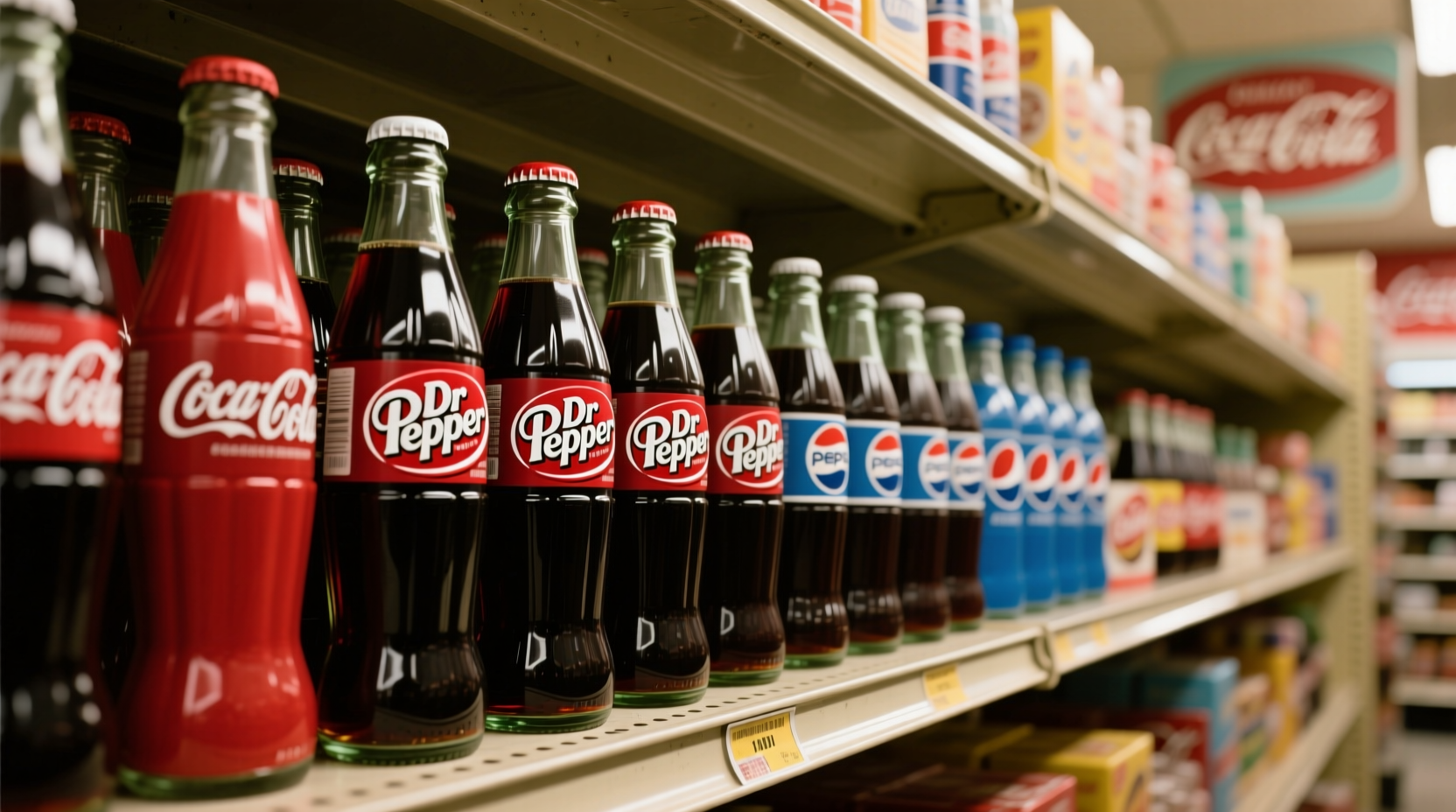
The primary reason for the Dr Pepper ownership misconception lies in regional distribution arrangements. Unlike Coca-Cola and Pepsi products which have dedicated bottling networks, Dr. Pepper uses a unique system:
- In western U.S. markets, many Coca-Cola bottlers distribute Dr Pepper under licensing agreements
- In eastern U.S. markets, some Pepsi bottlers distribute Dr Pepper through similar arrangements
- This creates the visual impression that Dr. Pepper belongs to one of the两大 beverage companies
According to Beverage Marketing Corporation's 2022 industry report, approximately 40% of consumers incorrectly believe Dr. Pepper is owned by Coca-Cola, while 35% think it's a Pepsi product. Only 25% correctly identify Keurig Dr Pepper as the owner. This widespread misunderstanding stems directly from the shared distribution channels.
How to Identify Beverage Company Ownership
Next time you're confused about soda brand ownership, look for these indicators:
- Check the bottle label: Keurig Dr Pepper products list "Keurig Dr Pepper" as the distributor
- Examine the bottle cap: Coca-Cola products have distinctive red caps, Pepsi has blue, while Dr Pepper uses black
- Look for corporate logos: Coca-Cola products feature the Spencerian script logo, Pepsi has the circular logo, while Dr Pepper maintains its unique script
- Research the bottler: The bottling company name appears on most containers
Understanding these distinctions helps clarify why Dr Pepper appears with both Coke and Pepsi products in different regions while maintaining independent ownership.
Why This Matters to Consumers
Knowing who actually owns your favorite beverages matters for several practical reasons:
- Product consistency: Independent ownership means Dr Pepper maintains unique recipes separate from industry standards
- Market competition: Multiple beverage companies create healthier competition and more innovation
- Regional availability: Understanding distribution helps explain why certain products are available in some areas but not others
- Corporate responsibility: Consumers can make informed choices about which companies they support
Dr Pepper's independence has allowed it to maintain its distinctive taste profile while adapting to changing consumer preferences—something that might not have happened under Coca-Cola or PepsiCo ownership.
Frequently Asked Questions
Is Dr Pepper owned by Coca-Cola?
No, Dr Pepper has never been owned by The Coca-Cola Company. It's currently owned by Keurig Dr Pepper, an independent beverage company formed in 2018 through the merger of Keurig Green Mountain and Dr Pepper Snapple Group.
Why do some stores sell Dr Pepper with Coca-Cola products?
In western U.S. markets, many Coca-Cola bottlers distribute Dr Pepper under licensing agreements. This shared distribution creates the visual impression that Dr Pepper belongs to Coca-Cola, though it's actually owned by a separate company.
What company owns Dr Pepper now?
Dr Pepper is owned by Keurig Dr Pepper (KDP), which was formed in 2018 when Keurig Green Mountain merged with Dr Pepper Snapple Group. KDP is the third-largest beverage company in North America.
Does Pepsi own Dr Pepper in any regions?
No, PepsiCo does not own Dr Pepper in any region. However, in some eastern U.S. markets, Pepsi bottlers distribute Dr Pepper under licensing agreements, which contributes to the common misconception that Pepsi owns the brand.
Why do people think Dr Pepper is a Coke or Pepsi product?
This misconception persists because Dr Pepper uses Coca-Cola bottlers in western markets and Pepsi bottlers in eastern markets for distribution. The visual association with these products in stores, restaurants, and vending machines creates the false impression of corporate ownership.




 浙公网安备
33010002000092号
浙公网安备
33010002000092号 浙B2-20120091-4