
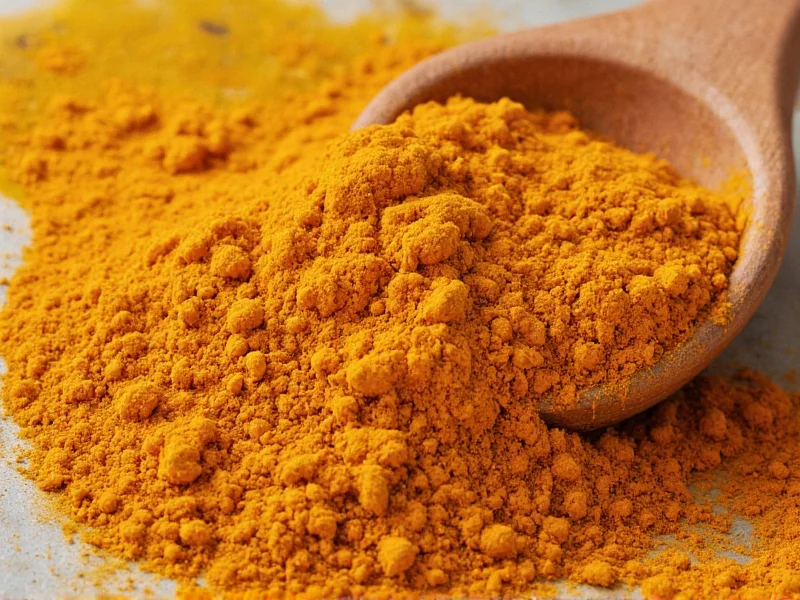
Many home cooks confuse curry powder with turmeric because of their similar golden-yellow appearance and frequent association in recipes. Understanding the distinction between these two ingredients is essential for proper culinary application and achieving authentic flavors in dishes.
What Exactly Is Turmeric?
Turmeric is a bright yellow-orange spice made from grinding the dried rhizomes of the Curcuma longa plant, which belongs to the ginger family. This single-ingredient spice has been used for thousands of years in traditional Indian medicine and cooking. The active compound in turmeric, curcumin, gives it both its distinctive color and potential health benefits. When used alone, turmeric provides earthy, slightly bitter notes with subtle peppery undertones.
Understanding Curry Powder Composition
Curry powder is not a single spice but rather a carefully balanced blend of multiple spices. While recipes vary significantly by region and manufacturer, most curry powder formulations include:
| Common Curry Powder Ingredients | Typical Percentage | Flavor Contribution |
|---|---|---|
| Turmeric | 20-30% | Earthy base, vibrant yellow color |
| Coriander | 15-25% | Citrusy, slightly sweet notes |
| Cumin | 10-20% | Warm, nutty depth |
| Fenugreek | 5-15% | Slightly sweet, maple-like flavor |
| Chili Powder | 5-10% | Heat and complexity |
Key Differences Between Curry Powder and Turmeric
While turmeric gives curry powder its characteristic yellow hue, the two differ significantly in composition and culinary application. Turmeric stands alone as a single spice with a relatively narrow flavor profile, whereas curry powder offers a complex symphony of flavors that varies by blend. Commercial curry powders often contain 8-15 different spices, creating a more rounded flavor profile suitable for various dishes.
The confusion between these ingredients often stems from Western interpretations of "curry." In India and other South Asian countries, "curry" refers to a method of cooking or a sauce rather than a specific spice blend. The term "curry powder" was largely developed for Western markets, leading to standardized blends that don't necessarily reflect traditional regional spice mixes.
Historical Evolution of Curry Powder
The development of curry powder reflects colonial trade patterns and cultural adaptation. Verified historical milestones show:
| Period | Key Development | Verifiable Source |
|---|---|---|
| c. 2500 BCE | Earliest documented medicinal use of turmeric in Indian Ayurvedic texts | National Center for Biotechnology Information (US NIH) |
| 1747 | First English cookbook reference to "currey" in Hannah Glasse's The Art of Cookery Made Plain and Easy | British Library Archives |
| 1810s | Commercial curry powder production begins in Britain by Crosse & Blackwell | British Library Educational Resource |
Substitution Guidelines and Contextual Limitations
Understanding whether you can substitute turmeric for curry powder (or vice versa) depends on your recipe's requirements and cultural context. As documented by culinary historians, curry powder is a Western adaptation that doesn't exist in traditional Indian cooking where fresh spice blends are preferred. According to BBC Food's culinary research:
"Curry powder is a British invention created for colonial convenience. Authentic Indian dishes use freshly ground spice combinations specific to each region and recipe, not pre-mixed powders." (BBC Food: Curry Powder History)
Therefore, substitution success varies by context:
- Works well: Westernized dishes like curry chicken salad or lentil soup where flavor complexity isn't culturally specific
- Limited success: General Indian-inspired dishes (e.g., chana masala) when using regionally appropriate substitutes
- Fails completely: Authentic regional Indian recipes (e.g., Kerala fish curry) requiring precise fresh spice combinations
A basic substitution would be:
- 1 teaspoon curry powder = 1/2 teaspoon turmeric + 1/4 teaspoon coriander + 1/4 teaspoon cumin + pinch of chili powder
Conversely, if substituting curry powder for turmeric, use approximately 1.5 teaspoons of curry powder for every 1 teaspoon of turmeric required, but be aware this will introduce additional flavors that may alter your dish's intended profile. This substitution works best in recipes where the complex spice notes complement rather than compete with other ingredients.
Common Misconceptions Explained
One widespread misconception is that all curry powders contain the same ingredients in the same proportions. In reality, curry powder recipes vary dramatically between regions, brands, and even individual households. Some British-style curry powders contain more turmeric for color, while Indian regional blends might emphasize different spice combinations.
Another common misunderstanding involves health claims. While turmeric (specifically its curcumin content) has been studied for potential health benefits, these properties don't automatically transfer to curry powder in the same concentrations. Curry powder contains turmeric as just one component among many, so its health profile differs from pure turmeric.
Practical Usage Tips
For best results when cooking with either ingredient, consider these professional tips:
- Add turmeric early in the cooking process to maximize color development
- Bloom curry powder in oil before adding liquids to enhance flavor complexity
- Store both spices in airtight containers away from light to preserve potency
- Combine turmeric with black pepper to increase curcumin absorption
- Adjust curry powder quantities based on brand strength and recipe requirements
Conclusion
Recognizing that curry powder contains turmeric but is not equivalent to turmeric alone helps home cooks make more informed decisions in the kitchen. Understanding the composition of curry powder versus the singular properties of turmeric allows for better recipe execution and more authentic flavor development. When following recipes, always check whether they specifically call for curry powder or turmeric, as substituting one for the other without adjustment will significantly alter the final dish's flavor profile.




 浙公网安备
33010002000092号
浙公网安备
33010002000092号 浙B2-20120091-4