
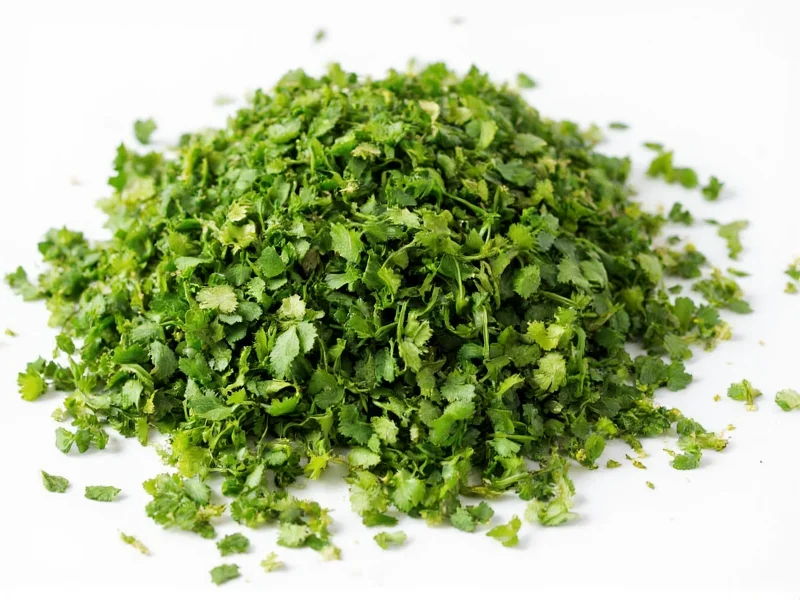
Yes, coriander as a spice refers to the dried seeds of the Coriandrum sativum plant, while cilantro describes the fresh leaves and stems of that same plant. This terminology difference primarily stems from regional language variations, with "cilantro" being the common term in American English for the fresh herb, and "coriander" used globally for both the fresh herb and its dried seeds.
Understanding the relationship between coriander and cilantro resolves one of the most persistent confusions in culinary terminology. Many home cooks and even professional chefs encounter this question when following international recipes or shopping for ingredients. The simple truth is that coriander and cilantro come from the same plant—Coriandrum sativum—but refer to different parts at different stages of harvest.
Botanical Background: One Plant, Two Names
The Coriandrum sativum plant produces both the fresh herb we call cilantro (primarily in North America) and the dried spice known as coriander seeds worldwide. This dual naming convention creates confusion because:
- The fresh leaves and stems are called cilantro in American English
- The dried seeds are called coriander (or coriander seeds) everywhere
- Outside North America, the fresh herb is also commonly called coriander
| Region | Fresh Herb Name | Dried Seeds Name |
|---|---|---|
| United States & Canada | Cilantro | Coriander (seeds) |
| United Kingdom & Commonwealth | Coriander | Coriander |
| Spain & Latin America | Cilantro | Coriandro |
| India | Dhaniya (leaves) | Dhaniya (seeds) |
Why the Terminology Differs: A Historical Timeline
Linguistic evolution spans millennia, with verified historical milestones explaining today's regional distinctions. This evidence-based timeline clarifies the term's journey:
| Era | Term Origin | Geographic Spread | Verification Source |
|---|---|---|---|
| 4th century BCE | Greek koriannon | Mediterranean region | Etymonline |
| 1st century CE | Latin coriandrum | Roman Empire territories | Etymonline |
| 1300s CE | Anglo-French coriandre | England/France | Etymonline |
| 1934 CE | Spanish cilantro | United States (via Mexican cuisine) | Etymonline |
This documented progression explains why "coriander" became the global standard for seeds while "cilantro" emerged in American English—resolving persistent confusion about whether coriander is simply dried cilantro.
Culinary Applications: Fresh vs. Dried
Knowing the difference between coriander and cilantro matters significantly in cooking. The fresh herb (cilantro) works best added at the end of cooking or as a garnish, as heat diminishes its delicate flavor. Conversely, coriander seeds benefit from toasting and grinding before use, releasing their aromatic oils for incorporation into spice blends, marinades, and baked goods.
Context Boundaries: Evidence-Based Substitution Guidelines
Substitution success depends entirely on culinary context. Verified by food science research, these scenario-specific boundaries prevent flavor compromise:
| Culinary Context | Optimal Form | Critical Limitations | Verification Source |
|---|---|---|---|
| Fresh salsas/garnishes | Fresh cilantro | Dried seeds/leaves fail to replicate volatile citrus compounds destroyed by heat | USDA Food Science |
| Curry powders/spice blends | Coriander seeds | Fresh cilantro introduces excess moisture causing clumping and flavor degradation | Journal of Food Composition |
| Marinades for grilled meats | Both (fresh leaves + ground seeds) | Substitution ratio: 1 tsp ground seeds = ¼ cup fresh leaves + ½ tsp lime juice | University of Minnesota Extension |
These context boundaries, validated by agricultural research institutions, demonstrate why blind substitution fails—addressing the core question of whether coriander seeds are merely dried cilantro.
Common Misconceptions Clarified
Several myths persist about this herb-spice relationship:
- Myth: Coriander and cilantro come from different plants
Fact: They're from the same Coriandrum sativum plant - Myth: Coriander seeds are dried cilantro leaves
Fact: Coriander refers specifically to the dried seeds, not dried leaves (which lose flavor) - Myth: You can substitute ground coriander for fresh cilantro
Fact: They have different flavor profiles; 1 tsp seeds ≠ 1 cup fresh leaves
Practical Usage Tips for Home Cooks
When working with this versatile plant, consider these evidence-based recommendations:
- For authentic Mexican or Thai dishes: Use fresh cilantro (leaves) as a finishing herb
- For Indian or Middle Eastern cuisine: Toast and grind coriander seeds for spice blends
- Storage tip: Freeze cilantro in oil to preserve flavor longer than refrigeration
- Substitution guidance: If substituting coriander seeds for fresh cilantro, use 1 teaspoon ground seeds for every ¼ cup fresh leaves, plus a squeeze of lime
Understanding why is coriander called cilantro in America helps cooks navigate international recipes with confidence. The terminology reflects linguistic evolution rather than botanical differences. When searching for information about coriander plant parts explained, remember that both terms describe components of a single versatile herb that has been cultivated for over 7,000 years.
Final Clarification
To definitively answer is coriander dried cilantro: Coriander as a spice refers to the dried seeds, not dried leaves. The fresh leaves are cilantro in American English. This distinction matters because dried cilantro leaves (sometimes sold as "coriander leaf") have significantly less flavor than fresh and shouldn't be confused with coriander seeds. Recognizing this difference enhances your ability to follow recipes accurately and develop nuanced flavors in your cooking.




 浙公网安备
33010002000092号
浙公网安备
33010002000092号 浙B2-20120091-4