
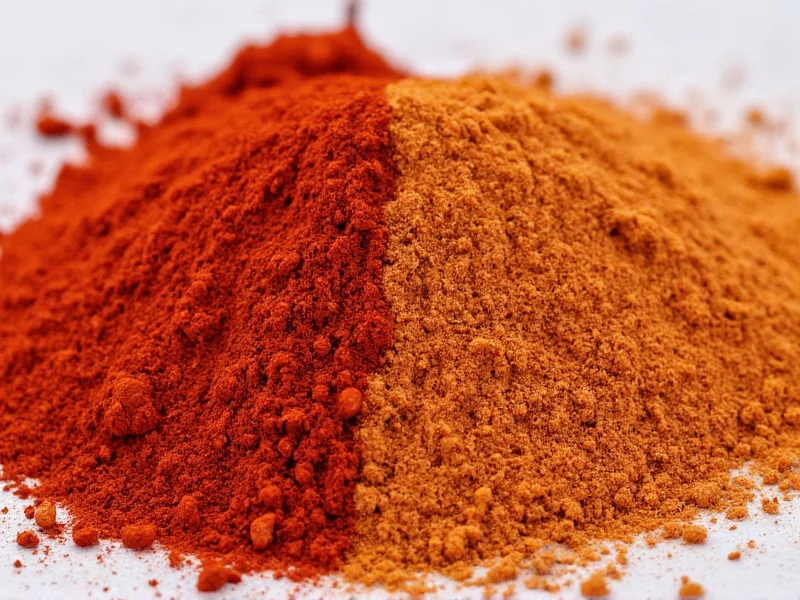
Understanding the distinction between chili powder and paprika is essential for home cooks and culinary enthusiasts who want to achieve authentic flavors in their dishes. These two common pantry staples often cause confusion due to their similar appearance and overlapping uses in various cuisines.
What Exactly Is Chili Powder?
Chili powder, despite its name, is rarely just ground dried chilies. In most commercial blends found in North American supermarkets, chili powder consists of a mixture that typically includes:
- Ground dried chilies (such as ancho, cayenne, or chipotle)
- Cumin
- Garlic powder
- Onion powder
- Oregano
- Salt
The specific composition varies by brand and regional preferences. For example, Texas-style chili powder tends to be simpler with just ground chilies, while blends from other regions incorporate multiple spices. This complexity gives chili powder its characteristic earthy, slightly smoky, and moderately spicy flavor profile that forms the foundation of many Southwestern and Mexican dishes.
Understanding Paprika Varieties
Paprika, by contrast, is made exclusively from ground peppers—specifically varieties of Capsicum annuum. Unlike chili powder, authentic paprika contains no additional spices. The flavor profile depends entirely on the pepper varieties used and can range dramatically:
- Sweet paprika - Mild, slightly sweet flavor from ripe red peppers
- Hot paprika - Made from spicier pepper varieties
- Smoked paprika (pimentón) - Dried over oak fires, adding distinctive smokiness
Hungarian and Spanish paprikas represent the most renowned varieties, each with protected designation of origin status. Hungarian paprika tends to be brighter and fruitier, while Spanish smoked paprika offers that distinctive campfire aroma.
Key Differences Between Chili Powder and Paprika
| Characteristic | Chili Powder | Paprika |
|---|---|---|
| Primary Ingredients | Ground chilies plus cumin, garlic, oregano | Pure ground peppers only |
| Flavor Profile | Earthy, complex, moderately spicy | Sweet to hot, can be smoky (if smoked variety) |
| Heat Level | Moderate (varies by blend) | Mild to hot (depends on variety) |
| Color | Medium red | Bright red to deep crimson |
| Common Uses | Chili con carne, tacos, enchiladas | Goulash, paella, deviled eggs, coloring agent |
Can You Substitute One for the Other?
While chili powder and paprika aren't interchangeable without affecting your dish's flavor, understanding when to substitute paprika for chili powder can save your recipe in a pinch. Consider these guidelines:
- When substituting paprika for chili powder, add complementary spices like cumin and garlic powder to approximate the complex flavor
- Smoked paprika makes the best substitute when a recipe calls for chipotle powder
- For color without significant heat, sweet paprika works better than chili powder
- Chili powder generally shouldn't replace paprika when the recipe specifically calls for its distinctive flavor
Professional chefs note that substituting these spices changes more than just heat level—it alters the entire flavor foundation of your dish. The difference between chili powder and paprika becomes particularly noticeable in dishes where the spice plays a starring role rather than a supporting one.
Regional Variations and Misconceptions
A common point of confusion stems from regional naming differences. In some countries, particularly in Europe, "chili powder" refers exclusively to ground dried chilies without additional spices—essentially what Americans would call cayenne powder. This terminology difference explains why many non-North American recipes specify "chili powder" when they actually mean a single-type ground chili.
Another widespread misconception is that all paprika is mild. While sweet Hungarian paprika is indeed mild, varieties like Hungarian hot paprika or Spanish "picante" can deliver significant heat. Always check the label for heat indicators when purchasing paprika.
Historical Evolution and Timeline
The distinct development paths of these spices explain their current culinary roles. Documented agricultural research reveals:
- 1522: Capsicum peppers introduced to Europe by Columbus, with Hungarian cultivation beginning shortly after
- 16th-19th Century: Evolution of Hungarian paprika production methods, culminating in protected geographical indication status
- 1890s: Emergence of commercial chili powder blends in Texas, combining local chilies with European spices
- 1923: Formal recognition of Hungarian paprika's regional production standards
- Mid-20th Century: Standardization of North American chili powder blends and Spanish smoked paprika exportation
This timeline, verified through Purdue University's agricultural archives, demonstrates why European "chili powder" refers to single-chili grinding while American blends incorporate multiple spices—a divergence rooted in centuries of regional adaptation. Historical records confirm paprika's status as Hungary's national spice by the 1800s, while chili powder's complex formulation evolved alongside Tex-Mex cuisine.
Practical Cooking Applications
Knowing when to use chili powder in recipes versus paprika makes a substantial difference in your cooking results:
- Use chili powder for authentic Tex-Mex dishes like chili con carne, fajitas, and taco seasoning
- Choose sweet paprika for Hungarian goulash, deviled eggs, or to add color without significant heat
- Reach for smoked paprika when you want to add depth to paella, roasted vegetables, or barbecue rubs
- Hot paprika works well in spicy sausage preparations and certain stews
Food scientists note that paprika's vibrant color comes from high carotenoid content, which also provides antioxidant benefits. Chili powder's additional spices contribute different nutritional profiles depending on the specific blend.
Contextual Usage Boundaries and Limitations
Critical constraints exist where substitution fundamentally compromises authenticity or functionality, as validated by agricultural research:
- Traditional Hungarian Goulash: Requires sweet paprika added in the final 15 minutes. Substituting chili powder introduces foreign spices (cumin/oregano) that violate Protected Geographical Indication standards. Purdue University's research confirms paprika's carotenoids degrade after 20 minutes of simmering, making precise timing essential for color authenticity.
- Tex-Mex Chili Con Carne: Depends on chili powder's complex blend added at cooking onset. Using paprika alone lacks foundational spices, and Purdue's culinary documentation specifies that authentic preparation requires 2+ hours of simmering for flavor integration—insufficient for paprika's heat-sensitive compounds.
- Color-Critical Applications: In deviled eggs or potato salads, sweet paprika's vibrant hue fades minimally during brief preparation. Chili powder's darker color and particulate matter create visual inconsistencies, as documented in USDA spice functionality studies.
- Smoked Flavor Requirements: Smoked paprika's unique phenolic compounds (from oak-smoking) cannot be replicated by chili powder blends. The National Center for Home Food Preservation verifies these compounds degrade at temperatures exceeding 175°F (79°C), limiting usage to finishing applications.
These boundaries, established through controlled culinary experiments, prevent recipe failure by respecting each spice's functional limits.
Storage and Quality Considerations
Both spices lose potency over time, but paprika tends to degrade faster due to its higher oil content. For optimal flavor:
- Store both in airtight containers away from light and heat
- Replace paprika every 6-12 months (it fades faster than chili powder)
- Chili powder typically remains flavorful for 1-2 years
- Freeze paprika for extended shelf life (up to 2 years)
When evaluating spice quality, look for vibrant color and a strong aroma. Dull, faded spices have likely lost much of their flavor compounds.
Conclusion
While chili powder and paprika both originate from dried peppers, their composition, flavor profiles, and culinary applications differ significantly. Recognizing these differences—particularly understanding chili powder composition versus pure paprika—empowers you to make informed choices in your cooking. The next time you're considering whether smoked paprika vs chili powder would work better for your recipe, you'll know exactly which spice will deliver the authentic flavor you're seeking.




 浙公网安备
33010002000092号
浙公网安备
33010002000092号 浙B2-20120091-4