
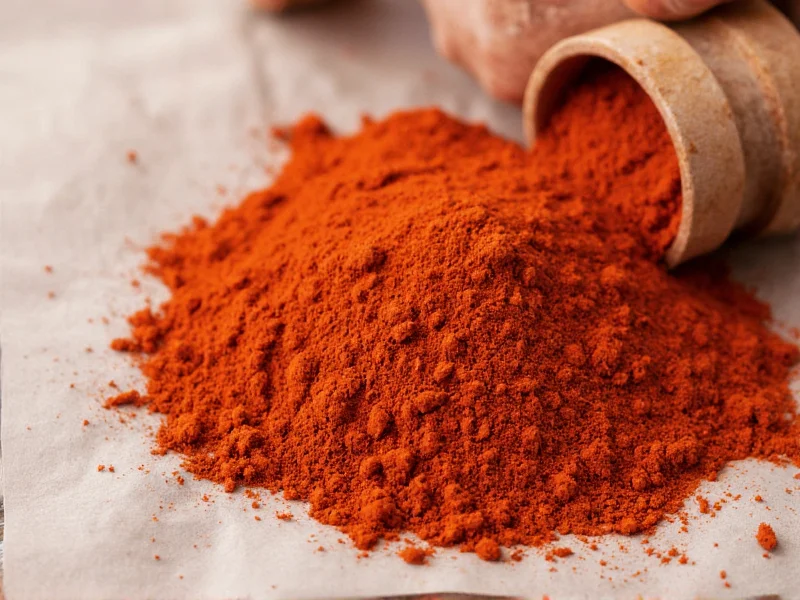
Understanding whether is chili powder hot requires examining the complex nature of this common spice. While all chili powder contains some level of capsaicin—the chemical compound responsible for heat in chili peppers—the intensity varies dramatically based on several factors. This variation explains why some chili powders deliver a gentle warmth while others pack a significant punch.
The Science Behind Chili Powder Heat
Capsaicin concentration determines how hot chili powder feels when consumed. This compound binds to pain receptors in your mouth, triggering the burning sensation we perceive as "heat." Originally measured through human taste panels (the Scoville Organoleptic Test), capsaicin levels are now precisely quantified using High-Performance Liquid Chromatography (HPLC), which provides objective Scoville Heat Unit (SHU) values. The amount of capsaicin present depends primarily on:
- The specific chili pepper varieties used in the blend
- Whether seeds and membranes (which contain the highest capsaicin concentrations) were included
- Geographical origin of the peppers
- Processing and drying methods
Factors Affecting Chili Powder Heat Levels
When evaluating how hot is chili powder, consider these key variables:
Pepper Selection: Pure ancho chili powder typically measures 1,000-2,000 SHU (mild to medium), while cayenne-based powders reach 30,000-50,000 SHU (very hot). Many commercial "chili powder" blends actually contain additional spices like cumin, garlic powder, and oregano, which dilute the heat.
Regional Differences: Mexican chili powders often use hotter varieties like arbol or de árbol peppers, while American "chili powder" frequently refers to a mild blend designed for chili con carne. Hungarian paprika-based powders can range from sweet (0 SHU) to hot (5,000 SHU).
| Chili Powder Type | Scoville Heat Units | Heat Level | Common Uses |
|---|---|---|---|
| Ancho Powder | 1,000-2,000 | Mild | Mole sauces, enchiladas |
| Cayenne Powder | 30,000-50,000 | Very Hot | Creole seasoning, hot sauces |
| American Chili Powder | 500-1,500 | Mild | Chili con carne, taco seasoning |
| Chipotle Powder | 2,500-8,000 | Medium | Smoky dishes, barbecue rubs |
| Generic "Chili Powder" | 500-2,500 | Mild-Medium | Versatile seasoning blend |
Historical Evolution of Chili Powder Usage
Chili powder's development reflects centuries of agricultural adaptation and culinary innovation. Key milestones include:
- Pre-1492: Indigenous Mesoamerican cultures dried and ground chili peppers for preservation and cooking, establishing foundational techniques still used today.
- Late 19th Century: Commercial production began in the American Southwest, with New Mexico and Texas becoming epicenters for standardized blends catering to regional cuisines.
- 1912: Wilbur Scoville developed the Scoville Organoleptic Test, creating the first standardized heat measurement system.
- 1980s-Present: Adoption of HPLC technology replaced subjective taste testing, enabling precise SHU quantification and global standardization of heat levels.
Source: New Mexico State University Agricultural Extension: Chile - A Brief History
Contextual Considerations: Usage Boundaries and Limitations
Chili powder's effectiveness depends on specific contextual factors that influence both culinary outcomes and health impacts:
- Digestive Health: Individuals with GERD or IBS should limit consumption, as capsaicin can exacerbate symptoms. The National Institute of Diabetes and Digestive and Kidney Diseases confirms spicy foods are a primary dietary trigger for heartburn.
- Cooking Techniques: Toasting in oil enhances flavor but increases heat perception in acidic dishes (like tomato-based sauces), while adding late preserves brighter notes in delicate preparations.
- Dietary Restrictions: Standard blends often contain gluten-based fillers; certified gluten-free options are essential for celiac disease management.
- Heat Tolerance: Children under 5 and spice-sensitive individuals should use mild varieties (≤1,500 SHU), as capsaicin tolerance develops gradually through repeated exposure.
Source: National Institute of Diabetes and Digestive and Kidney Diseases: GERD Dietary Guidelines
Is All Chili Powder Hot? Understanding Variations
The question 'is all chili powder hot?' has a nuanced answer: technically yes—but with important caveats. Pure ground chili peppers will always contain some capsaicin, but many products labeled "chili powder" in American supermarkets are actually seasoning blends where chili peppers comprise only part of the mixture.
For example, standard McCormick chili powder contains:
- Chili pepper (provides heat)
- Paprika (adds color with minimal heat)
- Garlic powder
- Cumin
- Oregano
- Salt
This blend typically measures only 500-1,500 SHU—mild enough for children's palates. In contrast, pure ground arbol chili powder can reach 15,000-30,000 SHU, making it significantly hotter than standard chili powder blends.
Safety Considerations When Handling Hot Chili Powder
Understanding why is chili powder hot helps with safe usage. Capsaicin remains stable during cooking and can transfer to skin and eyes. When working with particularly hot varieties:
- Wear gloves to prevent skin irritation
- Avoid touching your face while handling
- Start with small amounts (1/4 teaspoon) and adjust to taste
- Have dairy products nearby to neutralize heat if needed
Common Misconceptions About Chili Powder Heat
A frequent question is whether chili powder is hotter than cayenne. The answer depends on the specific products being compared. Pure cayenne powder (30,000-50,000 SHU) is significantly hotter than standard American chili powder blends (500-1,500 SHU). However, some specialty chili powders made from hotter peppers can approach cayenne's heat level.
Another misconception is that darker chili powder indicates greater heat. Color primarily reflects the type of chili used and drying process, not necessarily heat intensity. Ancho powder is dark brown but mild, while some bright red powders can be extremely hot.
Practical Tips for Using Chili Powder
When incorporating chili powder into recipes:
- Toast the powder briefly in oil to enhance flavor (reduces raw heat perception)
- Add early in cooking for deeper flavor integration
- Balance heat with acid (lime juice) or sweetness (honey)
- Store in a cool, dark place to preserve potency




 浙公网安备
33010002000092号
浙公网安备
33010002000092号 浙B2-20120091-4