
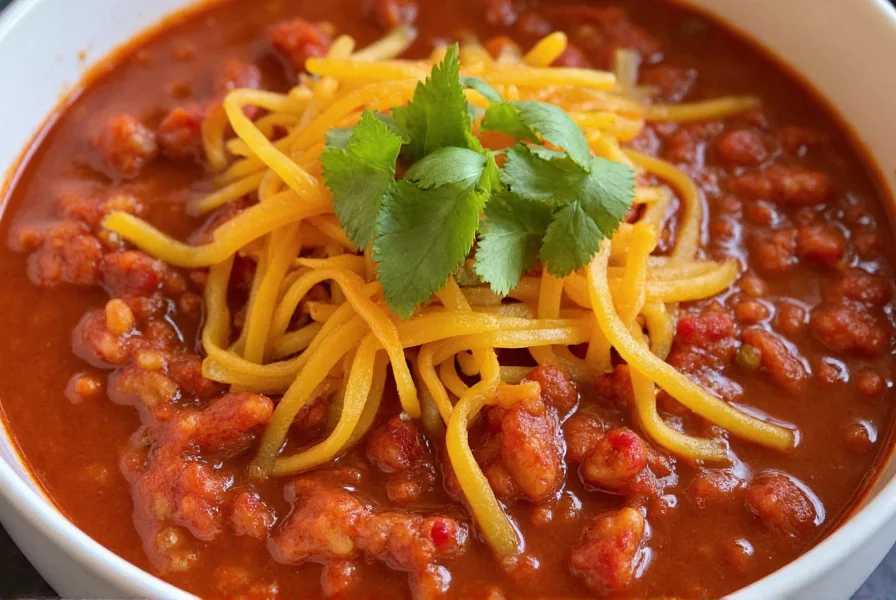
Traditional chili made with basic ingredients like meat, beans, tomatoes, and spices is naturally gluten-free. However, many modern recipes and commercial chili products may contain gluten through thickeners, spice blends, or other additives. Always check labels and ask about preparation methods when dining out to ensure your chili remains gluten-free.
When you're following a gluten-free diet, understanding which foods are safe is crucial for your health. The question "is chili gluten free" is one many people with celiac disease or gluten sensitivity need answered before enjoying this popular comfort food.
Understanding Gluten in Traditional Chili
At its core, chili is a naturally gluten-free dish. The foundational ingredients—ground meat or beans, tomatoes, onions, peppers, and spices—don't contain gluten. This makes homemade chili relatively straightforward to prepare safely for those avoiding gluten.
However, the answer to "is chili gluten free" becomes more complex when considering modern variations and commercial preparations. Many restaurants and packaged chili products introduce gluten-containing ingredients that transform this traditionally safe dish into a potential hazard for gluten-sensitive individuals.
Evolution of Gluten-Free Labeling Standards
The reliability of gluten-free claims has evolved significantly through regulatory milestones. Key developments directly impact how we verify chili safety:
- 2013: FDA established the first federal "gluten-free" labeling standard (21 CFR §101.91), requiring products to contain <20 ppm gluten. This created baseline consistency for packaged goods like canned chili. Source: FDA
- 2014: Gluten-Free Certification Organization (GFCO) implemented stricter third-party certification requiring <10 ppm gluten, addressing gaps in self-labeled products. Source: GFCO
- 2020: FDA's post-implementation review confirmed 99% compliance among labeled products, significantly improving consumer confidence in packaged chili options. Source: FDA Monitoring Report
Common Gluten Sources in Chili
When determining if chili is gluten free, watch for these common culprits that might contain gluten:
| Ingredient | Gluten Risk | Gluten-Free Alternative |
|---|---|---|
| Thickening agents | High (wheat flour, roux) | Cornstarch, potato starch, or extra beans |
| Pre-made spice blends | Moderate (some contain wheat fillers) | Single-ingredient spices or certified GF blends |
| Canned tomatoes | Low (usually safe, but check) | Plain tomatoes or verified GF brands |
| Beer (in some recipes) | High (unless specifically GF beer) | Gluten-free beer or broth |
| Pre-cooked meat products | Moderate (sausage, flavored ground beef) | Fresh meat or verified GF processed meats |
Restaurant Chili: Proceed with Caution
When asking "is restaurant chili gluten free," the answer is often uncertain without direct questioning. Many establishments use flour as a thickener or prepare chili in shared equipment with gluten-containing foods. The Celiac Disease Foundation emphasizes that cross-contamination remains prevalent in foodservice settings, requiring specific preparation protocols for safety. Source: Celiac Disease Foundation
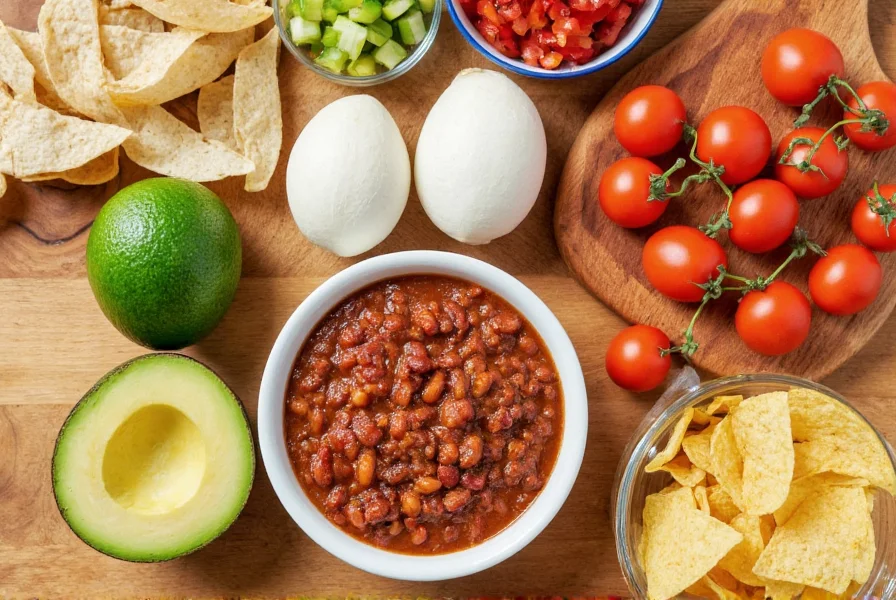
Reading Labels on Canned and Packaged Chili
For those wondering "does canned chili have gluten," understanding certification tiers is essential. Regulatory thresholds vary significantly:
| Certification Type | Gluten Threshold | Verification Process | Reliability for Celiac Disease |
|---|---|---|---|
| FDA-Compliant "Gluten-Free" | <20 ppm | Manufacturer self-testing | Moderate (requires consumer verification) |
| GFCO Certified | <10 ppm | Third-party lab testing + facility audits | High (gold standard) |
| Unlabeled Products | Unknown | No verification | Unreliable |
Always prioritize GFCO-certified products when available. The FDA's 20 ppm standard (21 CFR §101.91) provides baseline protection, but the Celiac Disease Foundation recommends the stricter 10 ppm threshold for those with celiac disease due to individual sensitivity variations. Source: Celiac Disease Foundation
Creating Perfect Gluten-Free Chili at Home
Making your own gluten-free chili eliminates most concerns about hidden gluten. Here's a simple framework for delicious, safe chili:
- Start with fresh ingredients: quality ground meat (or beans for vegetarian), tomatoes, onions, peppers
- Use single-ingredient spices rather than pre-mixed blends
- Thicken naturally with extra beans or a cornstarch slurry (1 tbsp cornstarch + 2 tbsp water)
- Cook in dedicated gluten-free cookware if you have celiac disease
- Avoid cross-contamination by cleaning surfaces thoroughly before preparation
For those seeking a verified gluten free chili recipe, try this basic template that serves six:
- 1.5 lbs ground beef or turkey (or 3 cans rinsed beans for vegetarian)
- 1 large onion, diced
- 1 bell pepper, diced
- 2 (15oz) cans diced tomatoes (check for no added thickeners)
- 2 (15oz) cans tomato sauce
- 3 tbsp chili powder (certified GF)
- 1 tbsp cumin
- 1 tsp garlic powder
- 1 tsp smoked paprika
- Salt and pepper to taste
Brown the meat with onions and peppers, then add remaining ingredients. Simmer for at least 30 minutes for best flavor development. This simple approach ensures your homemade chili remains gluten free while delivering maximum flavor.
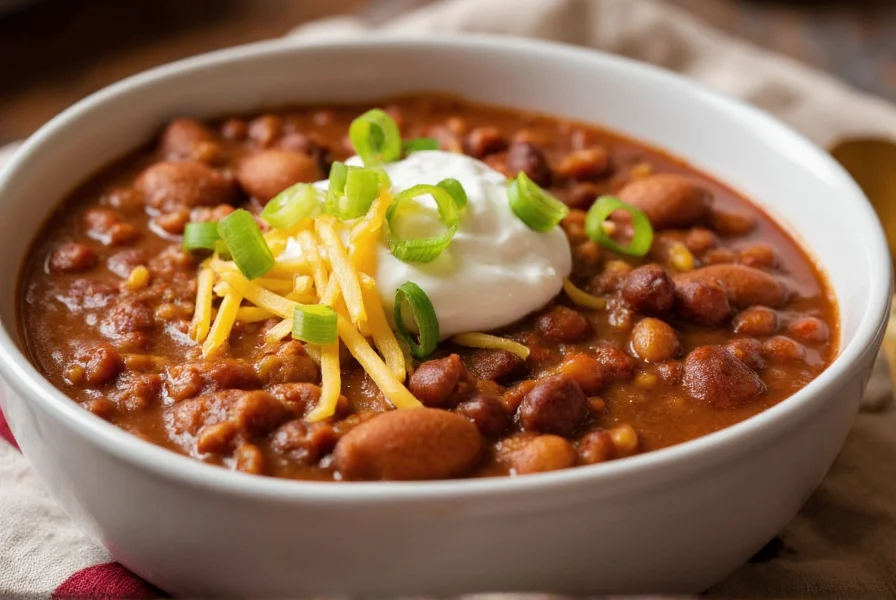
Special Considerations for Celiac Disease
If you have celiac disease rather than just gluten sensitivity, extra precautions are necessary when preparing or consuming chili. Even trace amounts of gluten can cause damage to your intestinal lining. Critical context boundaries include:
- Threshold Sensitivity: While FDA allows 20 ppm, research shows 30% of celiac patients react to 10-20 ppm levels. GFCO's 10 ppm standard is clinically recommended. Source: Celiac Disease Foundation
- Preparation Environment: Home kitchens require dedicated cookware and thorough surface sanitation. Restaurant dining necessitates chef consultation about dedicated fryers and utensils.
- Product Verification: "Gluten-free" labeled products require batch-specific testing documentation for high-risk individuals.
Consider these additional steps:
- Use dedicated cookware that has never been exposed to gluten
- Clean countertops thoroughly with gluten-removing wipes
- Avoid wooden utensils which can harbor gluten in cracks
- Check if your spice brands test for gluten (many bulk spices are contaminated)
- When dining out, speak directly with the chef about preparation methods
Remember that "is chili gluten free for celiacs" requires stricter standards than for those with non-celiac gluten sensitivity. When in doubt, prepare your own or choose certified gluten-free options.
Final Thoughts on Gluten in Chili
The answer to "is chili gluten free" ultimately depends on how it's prepared. Traditional recipes using basic ingredients are naturally gluten-free, but modern variations often introduce potential gluten sources. By understanding where gluten might hide in chili and taking appropriate precautions, you can safely enjoy this beloved dish while maintaining your gluten-free lifestyle.




 浙公网安备
33010002000092号
浙公网安备
33010002000092号 浙B2-20120091-4