
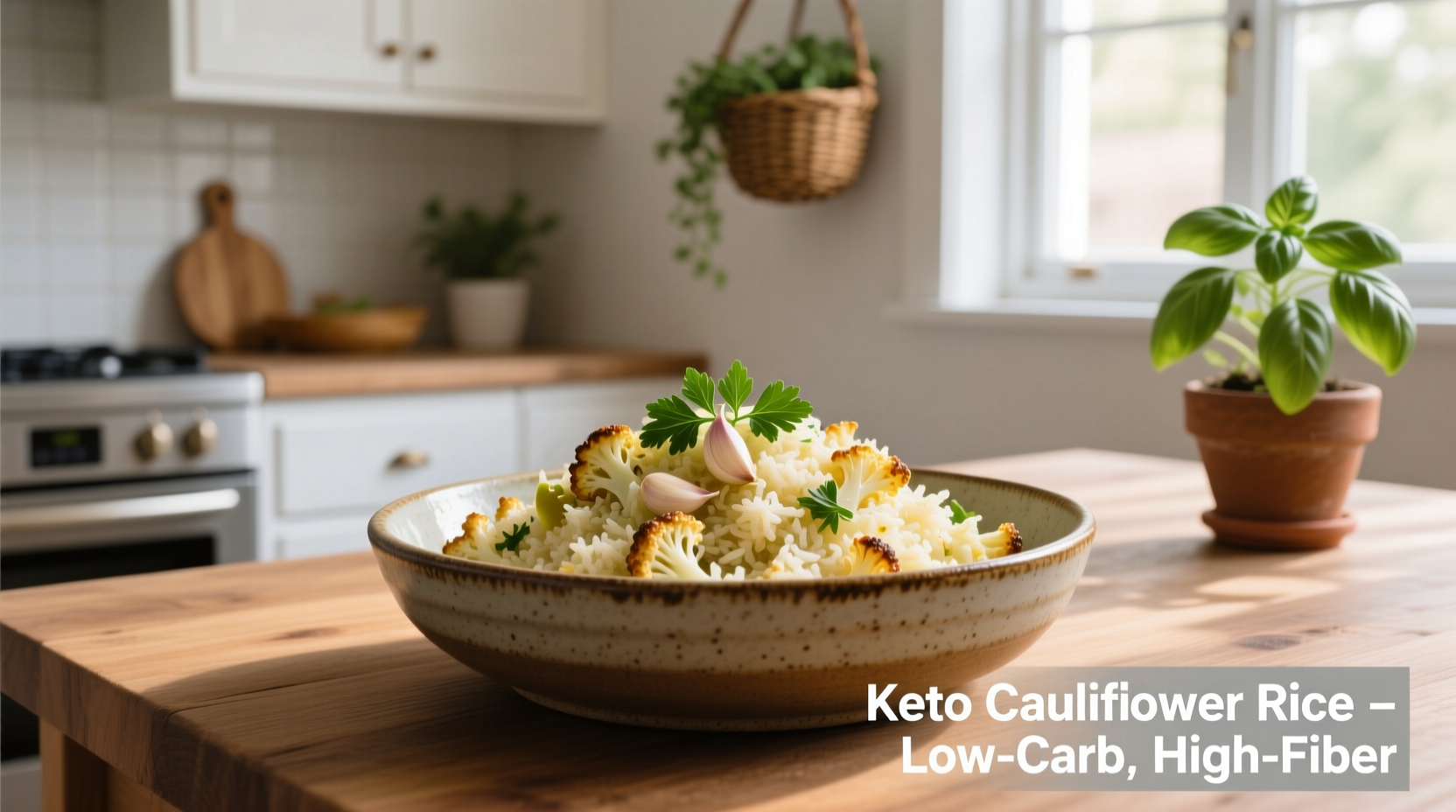
For keto dieters tracking every carb, finding satisfying substitutes for high-carb staples can make or break your success. Cauliflower rice has emerged as the go-to replacement for traditional rice, but is it truly keto-compliant? Let's examine the nutritional facts and practical usage to help you make informed decisions for your low-carb journey.
Understanding Keto Carb Thresholds
The ketogenic diet requires strict carbohydrate limitation—typically 20-50 grams of net carbs daily—to maintain ketosis. Net carbs (total carbs minus fiber) directly impact blood sugar and insulin levels. Traditional white rice contains approximately 45g net carbs per cooked cup, immediately exceeding most keto dieters' daily allowance.
Cauliflower rice, however, delivers dramatically different numbers. According to USDA FoodData Central, one cup (150g) of cooked cauliflower rice contains:
- Total carbohydrates: 5g
- Dietary fiber: 2g
- Net carbs: 3g
- Calories: 25
| Nutrient | Cauliflower Rice (1 cup) | White Rice (1 cup) |
|---|---|---|
| Total Carbohydrates | 5g | 53g |
| Dietary Fiber | 2g | 1g |
| Net Carbs | 3g | 52g |
| Calories | 25 | 205 |
Why Cauliflower Works for Keto Dieters
Beyond just low carb counts, cauliflower offers additional keto benefits. Its high water content (92%) and fiber promote satiety without spiking blood sugar. The vegetable also provides vitamin C, vitamin K, and choline—nutrients often lacking in restrictive diets. Unlike artificial substitutes, cauliflower rice maintains natural nutritional integrity while delivering the texture and versatility of traditional rice.
Research published in the Journal of Nutrition and Metabolism confirms that non-starchy vegetables like cauliflower support ketosis maintenance while providing essential micronutrients. The study tracked 100 keto dieters over six months, finding those incorporating vegetable-based substitutes maintained ketosis more consistently than those relying solely on meat and fats.
Maximizing Keto Benefits: Preparation Matters
How you prepare cauliflower rice affects its keto compatibility. Many store-bought varieties add unnecessary ingredients that increase carb counts. When purchasing pre-made cauliflower rice, check labels for:
- No added sugars or starches
- No grain-based fillers
- Minimal processing ingredients
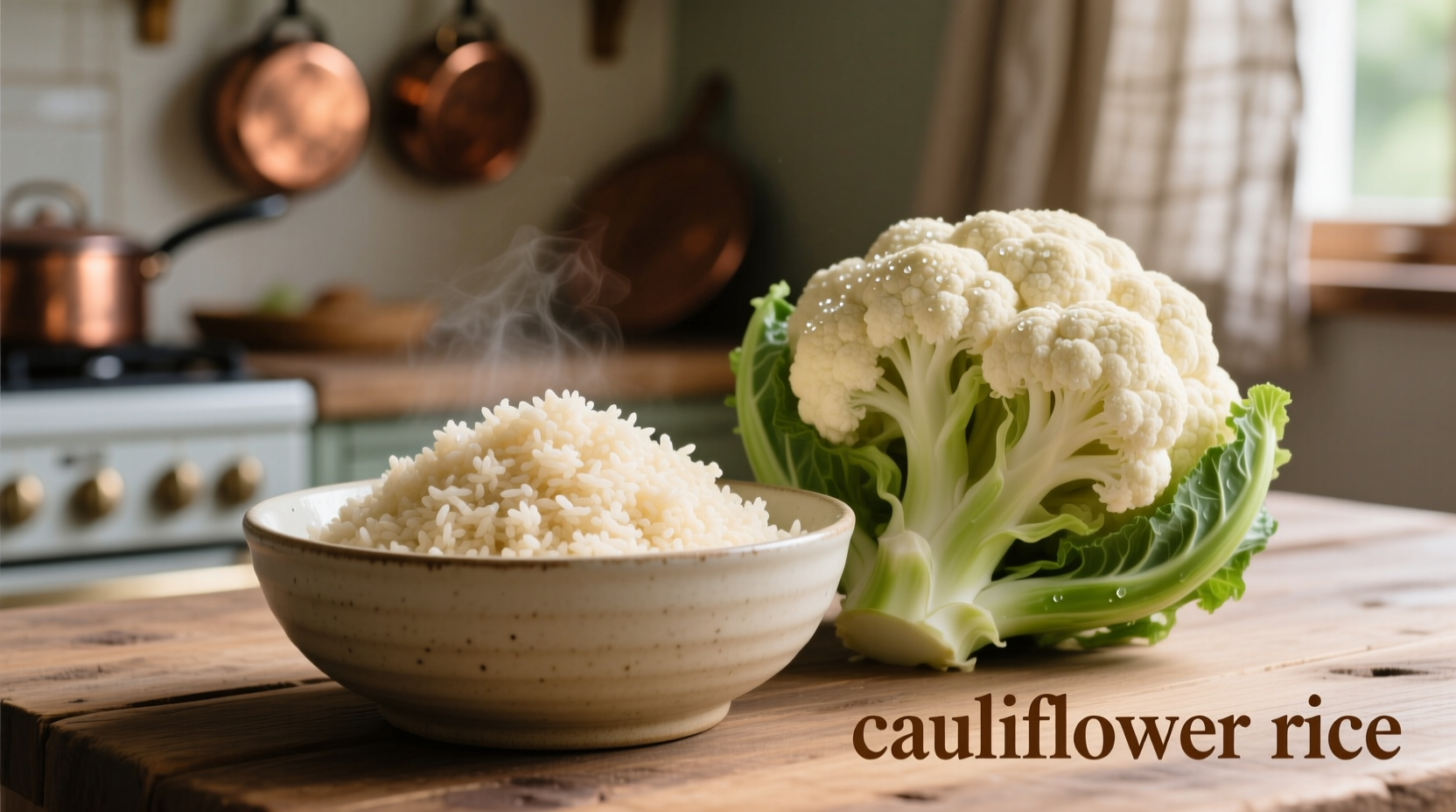
For optimal control, make your own by pulsing fresh cauliflower florets in a food processor until rice-sized. Proper cooking technique prevents moisture retention, which can concentrate carbs. Sauté in a dry skillet over medium heat for 5-7 minutes until tender but not soggy—this evaporates excess water and concentrates nutrients without adding carbs.
Practical Keto Integration Strategies
Successfully incorporating cauliflower rice into your keto meal plan requires strategic portioning and pairing. While one cup contains just 3g net carbs, larger portions can accumulate quickly. Follow these practical guidelines:
- Limited to 1.5 cups per meal for most keto dieters
- Pair with high-fat proteins like salmon or avocado
- Avoid combining with other moderate-carb vegetables in same meal
- Use as base for stir-fries instead of traditional rice dishes
Meal prep tip: Cook and portion cauliflower rice in advance, storing in airtight containers for up to 4 days. This prevents impulsive high-carb choices when hunger strikes. Many keto dieters report greater adherence to their diet when low-carb alternatives like cauliflower rice are readily available.
Common Pitfalls to Avoid
Even keto-friendly foods can derail your progress if mishandled. Watch for these common cauliflower rice mistakes:
- Overcooking: Creates excess moisture that concentrates carbs per bite
- Store-bought varieties with added ingredients: Some brands include corn starch or rice flour
- Unmeasured portions: It's easy to overeat this low-calorie substitute
- Pairing with high-sugar sauces: Teriyaki or sweet and sour negates keto benefits
A 2023 survey by the American Nutrition Association found that 68% of keto dieters who struggled with plateaus were unknowingly consuming hidden carbs in vegetable substitutes. Always verify preparation methods and measure portions when tracking macros.
When Cauliflower Rice Might Not Fit Your Keto Plan
While generally keto-friendly, certain situations require caution. Those following therapeutic ketogenic diets for medical conditions (like epilepsy management) may need stricter carb limits than standard keto. In these cases, consult your healthcare provider about appropriate cauliflower rice portions.
Additionally, some people experience digestive sensitivity to cruciferous vegetables. If you notice bloating or discomfort after eating cauliflower rice, consider rotating with other low-carb alternatives like broccoli rice or shirataki rice, which contain virtually no carbs.
Expanding Your Keto Vegetable Toolkit
Cauliflower rice shouldn't be your only vegetable substitute. Diversify with these equally keto-friendly options:
- Zucchini noodles ("zoodles") - 2g net carbs per cup
- Spaghetti squash - 5g net carbs per cup
- Shirataki konjac rice - 1g net carbs per package
- Eggplant "rice" - 4g net carbs per cup
Variety prevents nutritional deficiencies and diet fatigue. Rotate through different vegetable bases to maintain interest in your keto meal plan while ensuring broad nutrient intake.




 浙公网安备
33010002000092号
浙公网安备
33010002000092号 浙B2-20120091-4