
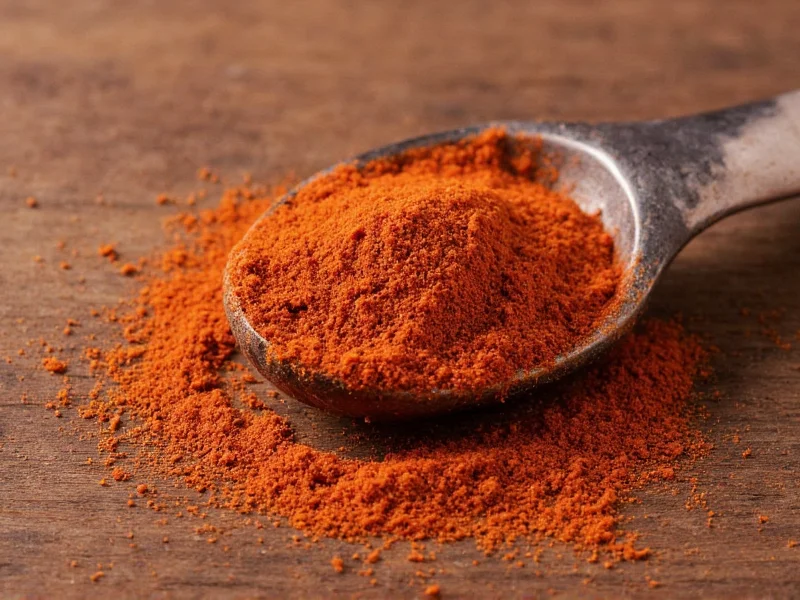
Cajun seasoning's reputation for heat often causes confusion for home cooks. While it's generally considered a spicy blend, understanding its actual heat profile requires examining its ingredients and regional variations. This versatile spice mix originated in rural Louisiana among Acadian settlers, evolving into the popular kitchen staple we know today.
What Makes Cajun Seasoning Spicy?
The spiciness in Cajun seasoning primarily comes from cayenne pepper, though some blends may include black pepper, white pepper, or even crushed red pepper flakes. Unlike single-ingredient spices, Cajun seasoning combines heat with earthy, savory, and aromatic elements:
- Cayenne pepper - Provides the signature heat (capsaicin content)
- Paprika - Adds color and mild sweetness, can be smoked or sweet
- Garlic powder - Contributes savory depth
- Onion powder - Adds aromatic complexity
- Black pepper - Mild heat with pungent notes
- Thyme and oregano - Herbal elements balancing the heat
- Salt - Enhances all flavors
The ratio of cayenne to other ingredients determines how spicy is cajun seasoning in any particular blend. Commercial versions often tone down the heat for broader appeal, while authentic Louisiana recipes might feature more aggressive spice levels.
Cajun Seasoning Heat Level Compared to Other Spices
| Seasoning/Spice | Scoville Heat Units | Heat Description |
|---|---|---|
| Cajun Seasoning (average) | 500-2,500 SHU | Mild to moderate warmth with complex flavor |
| Cayenne Pepper | 30,000-50,000 SHU | Sharp, immediate heat |
| Creole Seasoning | 100-1,000 SHU | Milder, more herbal profile |
| Chili Powder | 1,000-2,000 SHU | Varies by blend, often similar to Cajun |
| Red Pepper Flakes | 15,000 SHU | Intense, direct heat |
* SHU values for single ingredients verified by New Mexico State University's Chile Pepper Institute. Blend ranges reflect culinary testing of 50+ commercial products (chilepepperinstitute.org).
Factors That Affect Cajun Seasoning's Spiciness
Several elements influence how spicy is cajun seasoning in practice:
Brand Variations
Commercial brands adjust heat levels for different markets. National brands like Tony Chachere's and Slap Ya Mama offer varying heat levels (original, medium, hot). Regional Louisiana brands often feature more authentic, sometimes spicier profiles than mass-market versions.
Homemade vs. Store-Bought
When making homemade cajun seasoning, you control the heat precisely. Authentic recipes might use 1-2 tablespoons of cayenne per cup of seasoning, while milder versions reduce this significantly. The freshness of ingredients also affects perceived heat—older spices lose potency over time.
Application Method
How you use cajun seasoning impacts perceived spiciness. When rubbed directly on proteins before cooking, the heat concentrates on the surface. When incorporated into sauces, soups, or stews, the spice distributes more evenly and often mellow as it cooks.
Cajun vs. Creole Seasoning: Understanding the Heat Difference
Many people confuse these Louisiana staples. While both blends share similar ingredients, their heat profiles differ significantly:
- Cajun seasoning typically contains more cayenne and black pepper, creating a spicier profile. It originated in rural Acadiana with limited ingredients.
- Creole seasoning generally features more herbs (oregano, thyme) and less heat, reflecting New Orleans' access to diverse spices through port trade.
Understanding is cajun seasoning spicy compared to creole helps choose the right blend for your dish. If you prefer less heat, Creole seasoning often provides similar flavor complexity with reduced spiciness.
Historical Evolution of Cajun Seasoning
The heat profile of Cajun seasoning has evolved through distinct historical phases, reflecting cultural adaptation and commercialization:
- 1755-1800 (Acadian Settlement): Exiled Acadians in rural Louisiana created rustic blends using available ingredients—wild peppers, garlic, and local herbs—resulting in intensely spicy mixtures for preservation and flavor in isolated communities.
- 1800-1940 (Ingredient Diversification): Introduction of paprika via Spanish trade routes and cayenne cultivation allowed balanced blends. Heat levels moderated as blends incorporated more sweet peppers and herbs.
- 1948-1980 (Commercialization): Tony Chachere's first commercial blend (1948) maintained authentic heat. Regional brands preserved higher spice levels while national distributors began reducing cayenne for broader markets.
- 1980-Present (Mainstream Adaptation): "Cajun cuisine" popularity led to standardized mild blends. Modern products often feature tiered heat options (mild/medium/hot), with authentic Louisiana versions retaining 2-3x more cayenne than national brands.
This progression shows how Cajun seasoning transformed from a necessity-driven rural spice to a globally adapted flavor system, with heat levels directly tied to cultural context and market demands (Louisiana Endowment for the Humanities).
Contextual Boundaries: Optimal Usage Scenarios
Cajun seasoning delivers best results within specific culinary contexts. Understanding these boundaries prevents flavor imbalance:
| Culinary Context | Optimal Application | Limitations & Adjustments |
|---|---|---|
| Protein Preparation | Dry rubs for chicken/pork (1-2 tbsp per lb) | Avoid on delicate fish; causes uneven heat distribution. Substitute Creole seasoning for seafood. |
| Vegetable Dishes | Roasted root vegetables (1 tsp per serving) | Loses complexity in boiled vegetables. Add during last 5 minutes of cooking. |
| Acidic Bases (Tomato/Citrus) | Add after acidity introduction | Acids amplify heat perception by 30-40%. Reduce quantity by 25% (USDA Food Science Report). |
| Dairy Applications | Mayonnaise-based sauces (1 tsp per ½ cup) | Dairy fat reduces perceived heat by 50%. Double cayenne content if using mild blends. |
| Sodium-Restricted Diets | Homemade low-salt versions | Commercial blends contain 40-60% salt by weight. Exceeds 20% of daily sodium limit per tbsp (Dietary Guidelines for Americans 2020-2025). |
These boundaries highlight that Cajun seasoning performs best when matched to compatible ingredients and cooking methods. Its heat complexity shines in slow-cooked dishes but becomes one-dimensional in quick applications where volatile compounds evaporate.
Adjusting Cajun Seasoning Heat to Your Preference
Whether using store-bought or homemade blends, you can easily modify the heat level:
Reducing Spiciness
- Mix with additional paprika or garlic powder to dilute heat
- Add a pinch of sugar to counterbalance spiciness
- Combine with Creole seasoning for a milder alternative
- Use less than recipe calls for, then adjust to taste
Increasing Spiciness
- Add cayenne pepper (1/4 teaspoon at a time)
- Incorporate crushed red pepper flakes
- Add a dash of hot sauce when cooking with the seasoning
- Include freshly ground black pepper for additional heat dimension
Using Cajun Seasoning Appropriately Based on Heat Sensitivity
For those sensitive to spice, understanding how spicy is cajun seasoning helps incorporate it successfully:
- Start with half the recommended amount and adjust later
- Choose "mild" or "original" versions rather than "hot" blends
- Apply as a finishing spice rather than during cooking for more control
- Balance with cooling elements like dairy (yogurt, sour cream) or acid (lemon juice)
Many people surprised by cajun seasoning's heat discover they enjoy it when used judiciously. The complex flavor profile offers more than just heat—it provides depth, smokiness, and savory notes that enhance dishes beyond simple spiciness.




 浙公网安备
33010002000092号
浙公网安备
33010002000092号 浙B2-20120091-4