

Is Birria Spicy? A Tasty Deep Dive into Flavor, Heat & Tradition
Birria — that rich, slow-cooked meat dish from Mexico that's taken the culinary world by storm — is as beloved for its flavor as it is debated for its spice level. But the burning question on everyone’s lips (literally!) is: Is birria spicy? The answer isn’t a simple yes or no, so buckle up for a saucy journey through spices, regional differences, and how to customize your birria experience.
Table of Contents
- What Exactly Is Birria?
- What Makes Birria Spicy?
- Regional Variations: Mild vs. Fire
- How to Adjust the Spice Level Yourself
- Pro Tips for a Perfect (Spicy or Not) Birria
- Common Misconceptions About Birria & Spice
- Birria Sauce vs. Meat: Where’s the Real Heat?
- Conclusion: It’s All in the Preparation
What Exactly Is Birria?
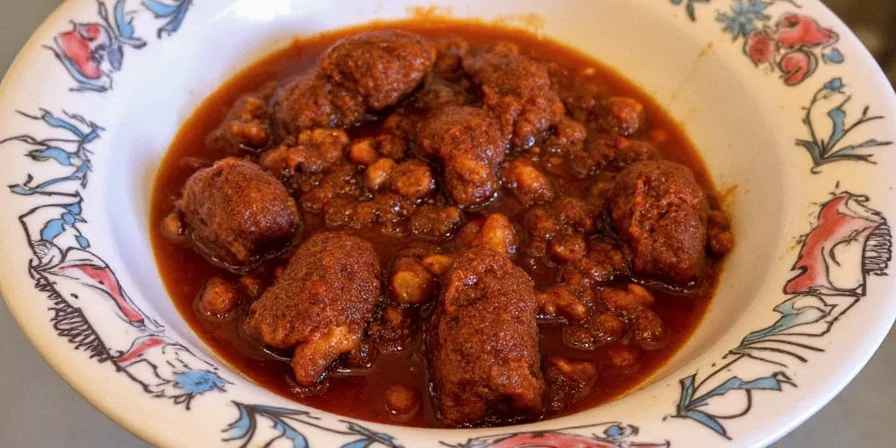
Birria originated in the Mexican state of Jalisco and was traditionally made with goat meat, though today you'll find versions using beef, lamb, or even chicken. The meat is marinated in a mix of dried chilies, spices, and vinegar, then slow-cooked until tender. It's often served in tacos, burritos, or as a stew called 'consommé' when served with broth.
What Makes Birria Spicy?
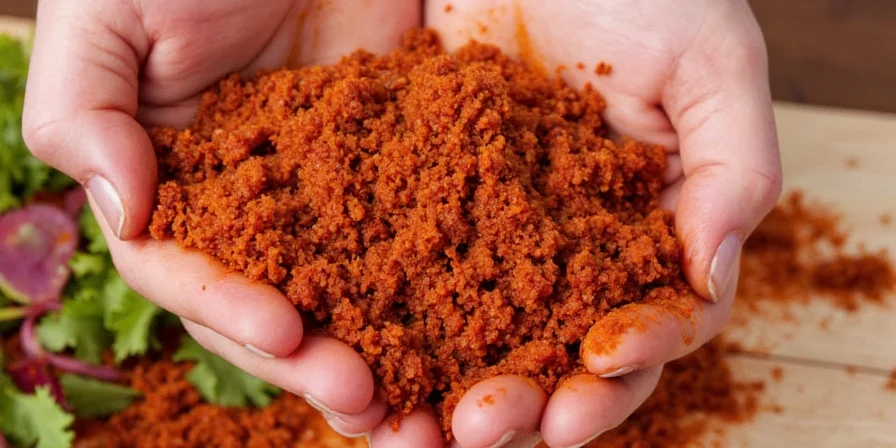
The heat in birria comes primarily from the marinade. Here's the typical lineup of chili players:
- Guajillo Chiles – Earthy with mild to medium heat
- Pasilla Chiles – Smoky and slightly sweeter
- Arbol Chiles – Spicier, with a sharp bite
- Ancho Chiles – Sweet and mild, great for balancing heat
Depending on which ones are used and in what quantities, birria can range from barely there to tongue-tingling!
Regional Variations: Mild vs. Fire
Like many traditional dishes, birria changes from region to region. Here’s a quick comparison:
| Region | Typical Ingredients | Spice Level | Flavor Profile |
|---|---|---|---|
| Jalisco (Original) | Goat, Guajillo, Ancho, Oregano | Mild to Medium | Earthy, Herbaceous |
| Baja California | Beef, Arbol, Chipotle | Medium to Hot | Smoky, Bold |
| Central Mexico | Beef, Milder Chilies, Tomato | Mild | Savory, Slightly Sweet |
| Tijuana Street Style | Extra Sauce, Arbol, Garlic | Hot | Intense, Garlicky, Spicy |
How to Adjust the Spice Level Yourself
If you’re cooking birria at home, you have full control over the heat. Here are some easy tweaks:
- For Less Heat: Use more Ancho or Poblano chilies; remove seeds and veins from hotter varieties like Arbol.
- For More Heat: Add chopped Arbol or a dash of cayenne pepper to the marinade.
- Balance It Out: If your birria ends up too spicy, stir in a bit of lime juice or honey to tone it down.
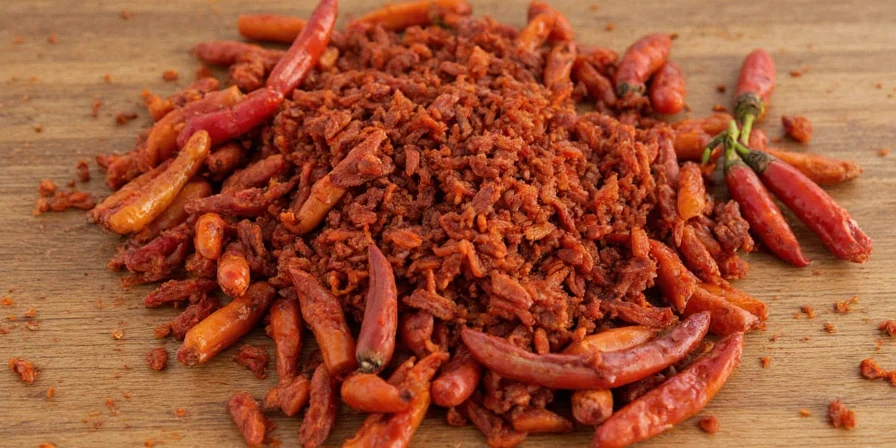
- Spice Layering: Add crushed red pepper flakes or hot sauce at serving time — keeps things flexible for guests.
Pro Tips for a Perfect (Spicy or Not) Birria
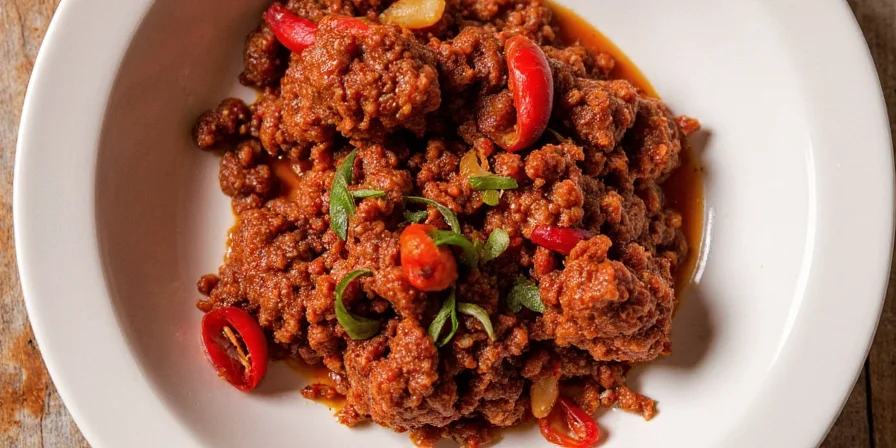
- Rub It In: Marinate your meat overnight for deeper flavor without needing extra salt or spice.
- Slow Cook, Big Win: Low-and-slow cooking ensures tenderness and allows flavors to mellow out naturally.
- Sauce Separately: Make the chili sauce separately and drizzle it on top — lets diners choose their own spice adventure.
- Fan-Friendly Fix: Serve pickled jalapeños or avocado crema on the side to let everyone adjust the spiciness.
Common Misconceptions About Birria & Spice
Let’s clear up a few myths floating around the kitchen table:
- Myth 1: Birria must be spicy. False! Traditional Jalisco birria is quite mild.
- Myth 2: Red = Hot. Not always true! Red sauces can be sweet or smoky instead of fiery.
- Myth 3: You can’t make birria spicy later. Wrong! Top with hot sauce or chili oil for a last-minute fire boost.
- Myth 4: Spiciness equals flavor. Nah. Great birria balances all five tastes: sweet, salty, sour, bitter, umami.
Birria Sauce vs. Meat: Where’s the Real Heat?
You might think the meat itself is where the fire lives, but here’s the twist:
- Birria Meat: Usually absorbs moderate spice, but not overly hot unless heavily seasoned.
- Birria Sauce: Often where most of the heat sits — especially if made with concentrated chilies.
So next time you're dipping your taco, remember — the real danger zone might just be that glossy red sauce.
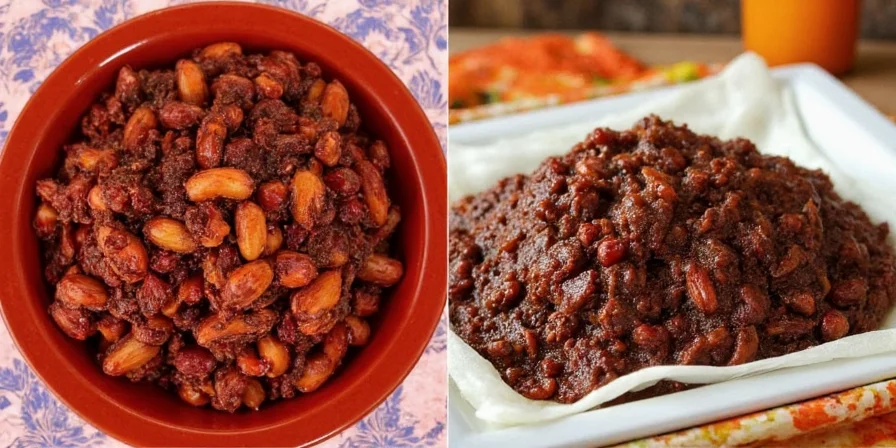
Conclusion: It’s All in the Preparation
To answer the big question — Is birria spicy? — the truth is: it depends! While traditional birria isn’t inherently fiery, modern interpretations often crank up the heat. Whether you want it sizzling or soothing, the power is in your hands (and your blender).
Now that you’re armed with knowledge, go forth and conquer the birria scene — one taco at a time. And remember, when in doubt… dip your tortilla first. 🔥




 浙公网安备
33010002000092号
浙公网安备
33010002000092号 浙B2-20120091-4