
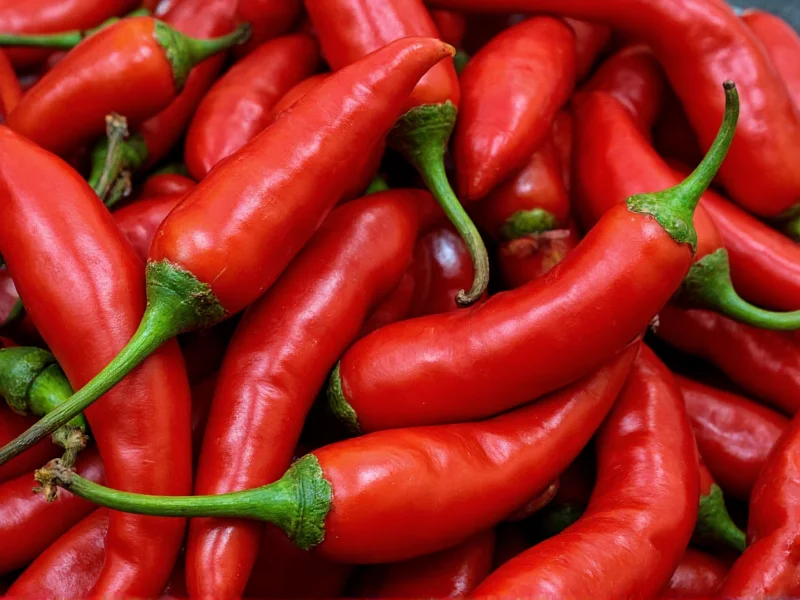
Ancho chilies, the dried form of poblano peppers, occupy a distinctive position in the culinary world. While technically classified as spicy, their heat level falls firmly in the mild category of the Scoville scale. Understanding their precise heat profile helps home cooks and professional chefs alike make informed decisions when selecting peppers for various recipes.
Understanding Ancho Chili Heat Levels
The Scoville scale measures chili pepper heat intensity by quantifying capsaicin concentration. Ancho chilies register between 1,000 and 2,000 Scoville Heat Units, placing them among the mildest dried chilies commonly used in cooking. For context, this means an ancho chili is generally about half as spicy as the average jalapeño pepper.
What makes ancho chilies particularly interesting is how their heat perception can vary based on preparation. When rehydrated and blended into sauces, their mild heat integrates seamlessly with other flavors rather than dominating the dish. The heat also tends to be more concentrated in the seeds and inner membranes, so removing these components can further reduce spiciness.
Comparing Ancho Chilies to Other Common Peppers
| Pepper Type | Scoville Heat Units | Heat Level | Comparison to Ancho |
|---|---|---|---|
| Ancho Chili | 1,000–2,000 SHU | Mild | Baseline |
| Jalapeño | 2,500–8,000 SHU | Moderate | 2–4x hotter |
| Guajillo | 2,500–5,000 SHU | Moderate | 2–3x hotter |
| Cayenne | 30,000–50,000 SHU | Hot | 15–50x hotter |
| Habanero | 100,000–350,000 SHU | Very Hot | 50–350x hotter |
The Flavor Profile Beyond Heat
While the question “is ancho chili spicy” focuses on heat, ancho’s culinary value extends far beyond its mild spiciness. These dried poblanos offer a complex flavor profile featuring notes of:
- Smoky earthiness
- Dried fruit (particularly raisin and prune)
- Subtle coffee and chocolate undertones
- Delicate sweetness that balances the mild heat
This nuanced flavor makes ancho chilies a staple in traditional Mexican mole sauces, where they provide depth without overwhelming heat. Many cooks prefer anchos specifically because they add chili flavor without making dishes too spicy for most palates.
Practical Uses for Ancho Chilies in Cooking
Understanding “how spicy are ancho chilies” helps determine their best culinary applications. Their mild heat level makes them versatile for:
- Family-friendly dishes where intense heat would be undesirable
- Recipes requiring long cooking times, as their flavor deepens without becoming harsh
- Blending with hotter peppers to create balanced heat profiles
- Creating complex sauces where flavor complexity matters more than heat intensity
When working with whole dried anchos, proper preparation enhances their flavor while controlling heat. Toasting the chilies briefly in a dry skillet before rehydrating brings out their natural sweetness and reduces any bitterness, making the mild heat even more approachable.
Ancho Chili Substitutions Based on Heat Preference
If you’re wondering “are ancho peppers hot enough for my recipe,” consider these substitution options:
- Milder than ancho: Mulato chilies (similar flavor profile with even less heat)
- Similar heat level: Guajillo chilies (slightly more heat with brighter flavor)
- Hotter alternatives: Chipotle (smoky with more heat) or New Mexico chilies (cleaner heat)
For those concerned about “ancho chili heat level compared to jalapeño,” remember that fresh jalapeños deliver more immediate, sharper heat, while anchos provide a gentler, more integrated warmth that builds gradually.
Factors Affecting Ancho Chili Heat
Several variables influence the actual spiciness you’ll experience when using ancho chilies:
- Growing conditions: Soil quality and climate affect capsaicin production
- Maturity at harvest: Fully ripe poblanos (which become anchos) develop more complex flavors with balanced heat
- Preparation method: Removing seeds and veins significantly reduces heat
- Storage duration: Heat can diminish slightly over time in properly stored dried chilies
When evaluating “ancho chili scoville units” for recipe planning, remember that individual peppers can vary, so tasting a small piece before committing to a recipe helps ensure the desired heat level.
Conclusion: The Balanced Appeal of Ancho Chilies
Ancho chilies occupy a sweet spot in the chili pepper spectrum—mild enough for broad appeal yet flavorful enough to add complexity to dishes. Their moderate heat level (1,000–2,000 SHU) makes them accessible to those sensitive to spice while still providing the characteristic warmth associated with chili peppers. Whether you’re exploring traditional Mexican cuisine or simply looking for a flavorful way to add subtle heat to your cooking, understanding “is ancho chili spicy” in context helps you leverage this versatile ingredient effectively.
How does ancho chili heat compare to common fresh peppers?
Ancho chilies (1,000–2,000 SHU) are milder than jalapeños (2,500–8,000 SHU) and significantly less spicy than serranos (10,000–23,000 SHU). They provide gentle warmth similar to the mildest poblanos, but with more complex flavor due to the drying process.
Can I use ancho chilies if I don't like spicy food?
Yes, ancho chilies are an excellent choice for those who prefer mild heat. Their 1,000–2,000 Scoville rating places them among the mildest dried chilies. Removing seeds and veins before use further reduces heat while preserving their rich flavor.
What’s the difference between ancho and guajillo heat levels?
Ancho chilies (1,000–2,000 SHU) are noticeably milder than guajillos (2,500–5,000 SHU). While both are considered mild to medium heat, guajillos deliver more pronounced spiciness with a brighter, fruitier flavor profile compared to anchos' deeper, earthier notes.
Why do some ancho chilies seem spicier than others?
Natural variation occurs due to growing conditions, soil composition, and climate. Peppers from drier, more stressful growing environments often develop higher capsaicin levels. Individual peppers within the same batch can also vary, so tasting a small piece before use helps gauge actual heat level.
How can I reduce ancho chili heat in my recipes?
To minimize heat while preserving flavor: 1) Remove all seeds and inner white membranes before use, 2) Soak rehydrated chilies in warm water with a pinch of baking soda, 3) Balance with acidic ingredients like tomatoes or citrus, or 4) Blend with sweeter peppers like bell peppers to dilute the heat.




 浙公网安备
33010002000092号
浙公网安备
33010002000092号 浙B2-20120091-4