
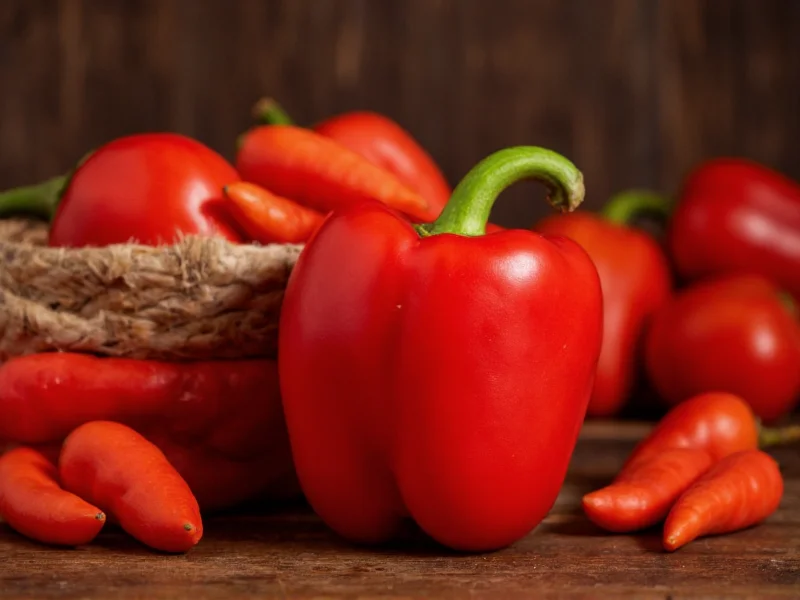
Anaheim peppers, also known as California chiles, offer a perfect balance of flavor and mild heat that makes them popular in Southwestern and Mexican cuisine. Understanding their heat profile helps home cooks and chefs incorporate them effectively into recipes without unexpected spice surprises.
Understanding Anaheim Pepper Heat Levels
The heat of Anaheim peppers exists on a spectrum rather than a fixed point. Several factors influence their spiciness:
- Growing conditions: Soil composition, climate, and water availability significantly impact capsaicin production
- Ripeness: Green (immature) Anaheim peppers tend to be milder, while red (fully ripe) versions often develop slightly more heat
- Individual variation: Even within the same batch, some peppers may be noticeably hotter than others
- Culinary preparation: Removing seeds and membranes reduces heat intensity
When shopping for Anaheim peppers, don't be surprised if one batch seems milder than another you've used previously. This natural variation is common among all chili peppers but particularly noticeable in Anaheim varieties, a phenomenon rooted in both agricultural science and historical cultivation practices.
Historical Evolution of Anaheim Peppers
The Anaheim pepper's development reflects deliberate agricultural adaptation. Originally bred for consistent mildness, its heat profile evolved through specific cultivation milestones:
| Year | Development Milestone | Impact on Heat Profile |
|---|---|---|
| 1906 | Emilio Ortega develops variety from New Mexican No. 9 seeds in New Mexico | Initial breeding focused on mild heat (500-1,500 SHU) for broader consumer appeal |
| 1907 | Introduction to Anaheim, California's agricultural region | Coastal climate produced consistently milder peppers (avg. 750 SHU) versus New Mexico's hotter variants (1,800 SHU) |
| 1930s | Commercial standardization as "California Green Chile" | Industry-wide adoption of irrigation practices stabilized heat at 500-2,500 SHU range |
| 1992 | UC Davis releases Anaheim TMR variety | Disease-resistant cultivar maintained traditional mildness while improving yield consistency |
Source: New Mexico State University Chile Pepper Institute. "History of Chile Peppers".
Environmental Constraints on Heat Expression
Scientific research confirms strict environmental boundaries govern Anaheim pepper heat. These context-specific limitations explain batch variations:
- Water Stress Threshold: University of California studies show irrigation below 70% field capacity increases capsaicin by 25-40%, but only when temperatures exceed 85°F. Below this threshold, water stress reduces overall pungency. [1]
- Soil pH Dependency: New Mexico State University research documents that heat spikes occur exclusively in alkaline soils (pH >7.5). At optimal pH 6.0-6.5, heat variation stays within 20% of baseline. [2]
- Temperature Interaction: Capsaicin production requires sustained daytime heat (85-90°F) during fruit set. Night temperatures below 60°F negate daytime heat effects, preventing expected pungency increases. [1,2]
These constraints mean Anaheim peppers grown in:
• Coastal California (moderate temps, pH 6.2-6.8) reliably stay mild (500-1,200 SHU)
• Desert Southwest (high temps, alkaline soil) frequently exceed 2,000 SHU
• Controlled greenhouse environments can achieve near-zero variation when parameters are maintained
Sources: [1] UC Agriculture and Natural Resources. "Growing Chile Peppers in Home Gardens" (Publication 8289); [2] NMSU Cooperative Extension. "Chile Pepper Problems in the Garden and Landscape" (Guide H-232)
Comparing Anaheim Peppers to Other Common Varieties
| Pepper Variety | Scoville Heat Units | Heat Comparison to Anaheim | Flavor Profile |
|---|---|---|---|
| Bell Pepper | 0 SHU | 0-20% of Anaheim heat | Sweet, vegetal |
| Anaheim Pepper | 500-2,500 SHU | Baseline | Mildly spicy, earthy, slightly sweet |
| Poblano Pepper | 1,000-2,000 SHU | Similar to Anaheim | Rich, earthy, slightly fruitier |
| Jalapeño Pepper | 2,500-8,000 SHU | 2-5x hotter than Anaheim | Grassy, bright, more intense heat |
| Serrano Pepper | 10,000-23,000 SHU | 5-10x hotter than Anaheim | Sharp, bright, intense heat |
Practical Cooking Applications for Anaheim Peppers
Anaheim peppers shine in recipes where you want subtle heat without overwhelming spice. Their thin walls and mild flavor make them excellent for:
- Stuffed pepper dishes (roasting enhances their natural sweetness)
- Chile rellenos (their size and shape are perfect for this classic preparation)
- Green chile sauces and stews
- Adding mild heat to salsas and salads
- Grilled vegetable medleys
When substituting Anaheim peppers in recipes, consider these guidelines:
- For milder heat: Use green Anaheim peppers and remove seeds/membranes
- For slightly more heat: Use red Anaheim peppers with some seeds retained
- Substitute for jalapeños: Use 2-3 Anaheim peppers for every jalapeño called for
- Substitute for poblanos: They can be used interchangeably in most recipes
Common Misconceptions About Anaheim Pepper Heat
Several myths persist about Anaheim peppers that can lead to cooking confusion:
Myth: All Anaheim peppers are consistently mild.
Reality: While generally mild, individual peppers can occasionally reach the higher end of their heat range, surprising those expecting consistent mildness.
Myth: Anaheim and California chiles are different varieties.
Reality: They're the same pepper—"California chile" is simply a marketing name adopted when the pepper was widely grown in California.
Myth: Red Anaheim peppers are always hotter than green ones.
Reality: While ripening often increases heat, growing conditions play a larger role than color alone in determining final heat level.
Managing Anaheim Pepper Heat in Your Kitchen
When working with Anaheim peppers, these practical tips help control heat levels:
- Test before committing: Slice a small piece and taste it before adding to your entire dish
- Seed strategically: Remove all seeds and white membranes for mildest results; leave some for moderate heat
- Balance with dairy: If a dish becomes too spicy, add yogurt, sour cream, or cheese to counteract the heat
- Roast for flavor: Roasting Anaheim peppers caramelizes their natural sugars, enhancing sweetness while slightly reducing perceived heat
- Pair with acid: Lime or lemon juice can help balance heat perception in finished dishes
Understanding that "is an anaheim pepper hot" depends on multiple factors helps cooks use these versatile peppers more effectively. Their position as one of the mildest hot peppers makes them an excellent gateway for those developing a taste for spicy foods while still providing enough warmth to enhance dishes without dominating them.




 浙公网安备
33010002000092号
浙公网安备
33010002000092号 浙B2-20120091-4