
When travelers and food enthusiasts search for an Irish ginger festival, they're often surprised to learn this event doesn't exist as a traditional Irish celebration. Unlike countries with historical ginger cultivation like Jamaica or India, Ireland's climate and agricultural history haven't supported ginger as a native crop or cultural staple.
Understanding the Ginger Misconception
The confusion around an Irish ginger festival typically arises from several sources. Some small-scale pop-up events in Ireland have occasionally incorporated "ginger" into their names for marketing appeal, particularly during holiday seasons when gingerbread and spiced beverages are popular. Additionally, international food bloggers sometimes mislabel Irish food events featuring ginger as an ingredient among many others.
Ireland's Actual Culinary Heritage
Ireland's authentic food festivals celebrate ingredients central to its agricultural tradition:
| Festival Name | Location | Primary Focus | Time of Year |
|---|---|---|---|
| Dingle Food Festival | Dingle, County Kerry | Seafood, artisanal cheeses, local produce | September |
| Galway International Oyster & Seafood Festival | Galway City | Oysters, seafood, Irish whiskey | September |
| Belfast Titanic Food Festival | Belfast, Northern Ireland | Local produce, craft beverages | May |
| Cork Food Festival | Cork City | Artisan foods, farmers' markets | October |
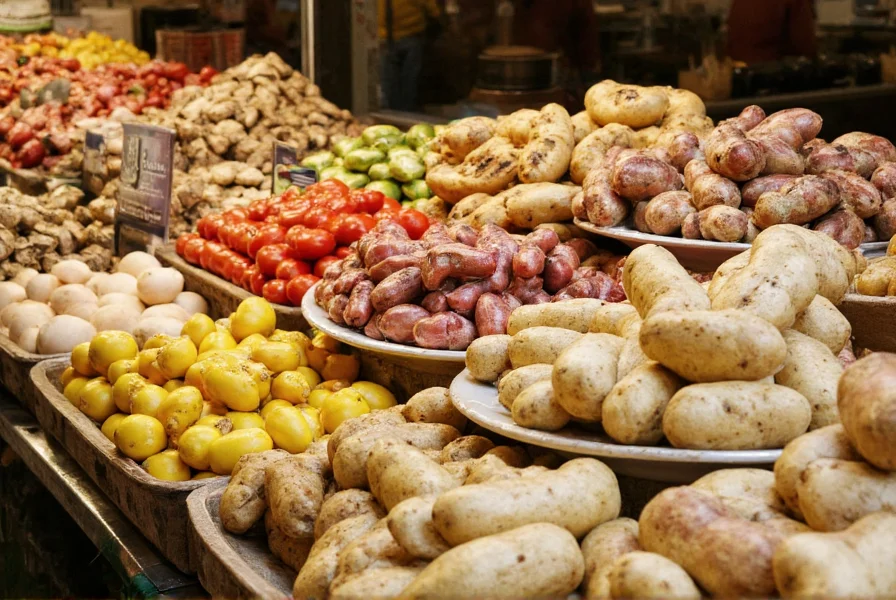
These established authentic Irish food festivals showcase ingredients that have shaped Ireland's culinary identity for centuries—potatoes, seafood, dairy products, and grains—not ginger, which requires tropical conditions to grow.
Ginger's Limited Role in Irish Cuisine: Context and History
While ginger appears occasionally in modern Irish cooking as a spice, its presence is relatively recent and imported. Traditional Irish recipes rarely feature ginger as a primary ingredient. You might find it in:
- Modern interpretations of Irish baking (ginger-infused soda bread variations)
- Contemporary Irish craft beers and ciders
- Some seasonal holiday treats during Christmas markets
- International cuisine restaurants in Irish cities
Context Boundaries: Where Ginger Fits (and Doesn't) in Irish Food Culture
Ginger's role in Ireland is strictly bounded by context, reflecting its non-traditional status. According to the National Library of Ireland's Food and Drink exhibition, ginger has always been an imported luxury item, never forming part of the staple diet that centered on potatoes, dairy, and seafood. Its use is confined to:
- Contemporary culinary innovations by modern Irish chefs
- Seasonal holiday markets (particularly Christmas), featuring international treats like gingerbread
- International cuisine restaurants in urban centers
Crucially, ginger is absent from historical Irish cookbooks and is not cultivated in Ireland. The UN Food and Agriculture Organization confirms that ginger requires tropical conditions (25-30°C temperatures and high humidity) incompatible with Ireland's temperate maritime climate (average temperatures 4.5-18.3°C) [Source].
Historical Timeline: Ginger's Journey to Irish Shelves
Although never integral to Irish food culture, ginger's presence follows a distinct historical pattern:
- Pre-19th Century: Arrived as luxury import via European trade routes, used sparingly by wealthy elites for medicinal purposes.
- 19th Century: Increased global trade improved accessibility, but remained marginal compared to native staples like potatoes.
- 20th Century: Appeared in processed foods and international cuisines, yet absent from traditional Irish recipes.
- 21st Century: Occasionally used in fusion dishes, but remains a non-essential import without cultural roots.
This evolution aligns with Failte Ireland's historical narrative in "Ireland's Food Story", which documents how Ireland's culinary identity developed around locally available ingredients rather than tropical imports.
Why the Confusion Persists
The persistent search for an Irish ginger festival reveals interesting patterns in how food culture gets misrepresented online:
- Marketing mislabeling: Some international food bloggers incorrectly label generic food festivals as "Irish" when they feature Irish whiskey pairings with ginger
- Cultural conflation: Confusion between Irish-American celebrations and authentic Irish traditions
- Algorithmic amplification: Search results sometimes promote unrelated content that merely contains both "Irish" and "ginger" keywords
- Seasonal associations: Holiday markets featuring gingerbread sometimes get misidentified as specifically Irish events
Authentic Irish Food Experiences to Consider
Instead of searching for a non-existent Irish ginger celebration festival, travelers interested in genuine Irish food culture should consider these established events:
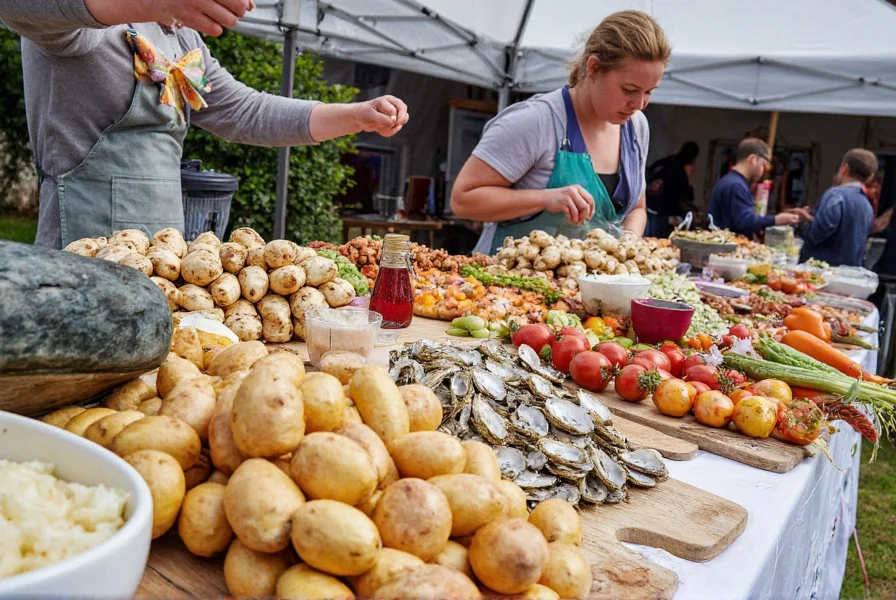
- The Galway Oyster Festival (September): Europe's longest-running food festival celebrating Ireland's renowned oysters
- Dingle Food Festival (September): Showcasing Kerry's artisanal food producers and seafood
- Cork Midsummer Festival (June): Features local produce markets and cooking demonstrations
- Belfast Food and Drink Festival (May): Highlights Northern Ireland's agricultural bounty
Planning an Irish Food Journey
For travelers seeking genuine Irish culinary experiences, consider these practical tips:
- Focus on regional specialties: Seafood in coastal areas, lamb in mountain regions, dairy in pasture-rich counties
- Visit farmers' markets in Dublin's Temple Bar, Cork's English Market, or Galway's St. Nicholas Market
- Take cooking classes that teach traditional Irish recipes rather than modern interpretations
- Book farm-to-table dining experiences through Ireland's Myrtle Allen Approved restaurant program
- Time your visit with established food festivals rather than searching for non-traditional events
Understanding the reality behind the Irish ginger festival search term helps travelers plan more authentic experiences that genuinely reflect Ireland's rich food heritage rather than chasing marketing-created misconceptions.
Frequently Asked Questions
Does Ireland have a traditional ginger festival?
No, Ireland does not have a traditional ginger festival. Ginger has never been a significant part of Irish agricultural history or culinary tradition due to Ireland's climate, which isn't suitable for ginger cultivation. The search term likely stems from marketing confusion or mislabeled international food events.
Why is there no Irish ginger festival?
Ginger requires tropical conditions to grow, which Ireland's temperate maritime climate cannot provide. Ireland's traditional agricultural focus has been on potatoes, dairy, seafood, and grains - ingredients that shaped its authentic food culture. Ginger only appears occasionally in modern Irish cooking as an imported spice.
Are there any Irish food festivals that feature ginger?
While no major Irish festival focuses on ginger, some Christmas markets in Dublin and Cork may feature gingerbread and spiced beverages as part of seasonal holiday offerings. However, these aren't specifically Irish traditions but rather international holiday customs that have been adopted in Ireland.
What are Ireland's most authentic food festivals?
Ireland's most authentic food festivals include the Galway International Oyster & Seafood Festival (September), Dingle Food Festival (September), Cork Food Festival (October), and Belfast Food and Drink Festival (May). These events showcase ingredients central to Ireland's agricultural heritage like seafood, dairy, and locally grown produce.
How can I experience genuine Irish food culture?
To experience authentic Irish food culture, visit regional farmers' markets like Dublin's Temple Bar Market or Cork's English Market, attend established food festivals focusing on traditional ingredients, take cooking classes teaching classic Irish recipes, and seek out farm-to-table dining experiences through Ireland's Myrtle Allen Approved restaurant program rather than searching for non-traditional events like an Irish ginger festival.




 浙公网安备
33010002000092号
浙公网安备
33010002000092号 浙B2-20120091-4