
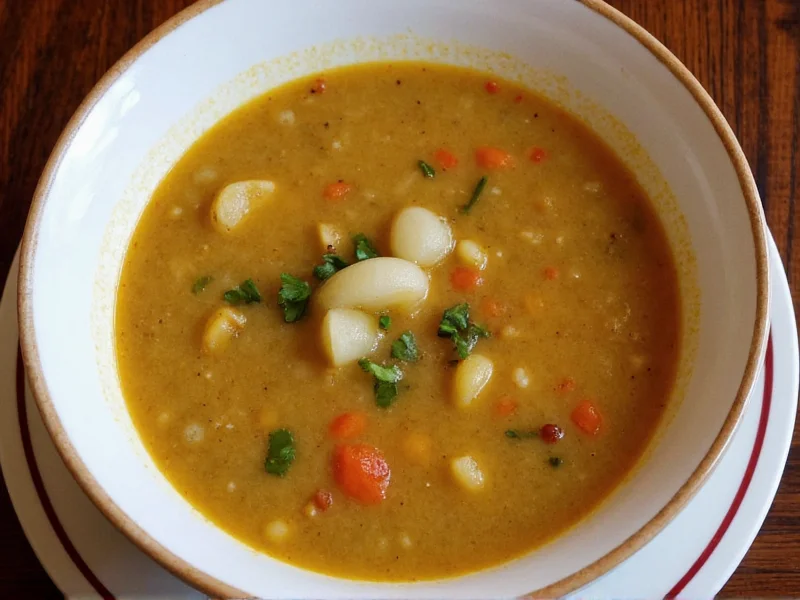
Irish cuisine tells a story of resilience and resourcefulness, with soups playing a central role in the nation's food culture. Unlike the elaborate bisques of France or broths of Asia, traditional Irish soups emerged from necessity, transforming simple, locally available ingredients into nourishing meals that sustained families through challenging times. This practical approach to cooking created distinctive flavors that continue to define Irish comfort food today.
A Historical Simmer: The Origins of Irish Soups
The history of Irish soups is deeply intertwined with the country's agricultural landscape and historical challenges. Before the Great Famine of the 1840s, Irish diets heavily featured potatoes, dairy, and whatever vegetables could be grown in Ireland's cool, damp climate. Soups and stews became essential cooking methods for stretching limited ingredients to feed large families.
Irish Potato Soup, perhaps the most iconic variety, originated as a simple peasant dish made with potatoes, onions, and whatever milk or cream was available. Coastal communities developed rich seafood chowders using fresh catches from Ireland's extensive shoreline, while inland regions perfected vegetable-based soups featuring root vegetables like parsnips, turnips, and carrots that stored well through winter months.
Evolution Timeline: Key Milestones in Irish Soup History
The development of Irish soups reflects Ireland's agricultural and social evolution. Key milestones include:
- 1590s: Potatoes introduced to Ireland, eventually becoming the staple crop by the 18th century. This enabled potato-based soups to form the foundation of Irish cuisine. Source: National Museum of Ireland
- 1845-1852: The Great Famine devastates the potato crop, leading to soup kitchens established by charities and the British government. This period cemented soup's role as essential sustenance during crises. Source: National Archives of Ireland
- 1852: First printed recipe for Irish Potato Soup appears in 'The Irish Cookery Book' by Mrs. Seaton, marking the formalization of traditional recipes. Source: National Library of Ireland
- 1940s-1950s: Post-World War II revival of traditional recipes, with renewed emphasis on local ingredients and preservation techniques. Source: Bord Bia
Essential Ingredients in Authentic Irish Soups
What makes a soup distinctly Irish? The answer lies in the ingredients that have shaped the nation's culinary identity:
| Core Ingredient | Irish Significance | Common Soup Applications |
|---|---|---|
| Potatoes | Ireland's staple crop since the 16th century | Base for Irish Potato Soup, thickener for other varieties |
| Root Vegetables | Grown in Ireland's fertile soil, store well through winter | Parsnips, turnips, carrots in vegetable soups |
| Fresh Seafood | Abundant along Ireland's 3,000-mile coastline | Seafood chowder with salmon, mussels, or cod |
| Dairy Products | Ireland's lush pastures support dairy farming | Cream enriches potato and vegetable soups |
| Bacon | Traditional Irish curing methods | Flavor base for many soup varieties |
Traditional Irish Soup Varieties Explained
Irish Potato Soup
Often considered Ireland's national soup, this creamy delight features potatoes as the star ingredient. Authentic versions use floury potatoes like Rooster or Kerr's Pink, which break down to create natural thickness without requiring excessive cream. Traditional Irish Potato Soup typically includes onions, leeks, potatoes, milk or light cream, and sometimes a touch of smoked bacon for depth of flavor. Unlike American versions that often feature cheese and bacon toppings, authentic Irish preparation keeps the focus on the potato's natural flavor.
Irish Seafood Chowder
Coastal communities from County Cork to Donegal have perfected this rich, creamy soup featuring fresh catches from Ireland's waters. Unlike the tomato-based chowders of New England, authentic Irish Seafood Chowder contains no tomatoes—instead relying on a milk or cream base enriched with fresh fish, mussels, or salmon. The soup often includes potatoes for heartiness and is finished with fresh herbs like parsley. Many Irish chowders feature a distinctive touch of Irish whiskey, which enhances the seafood flavors without overpowering them.
Traditional Irish Vegetable Soup
This humble yet satisfying soup showcases Ireland's agricultural bounty. Unlike French potage or Italian minestrone, Irish vegetable soup typically features a more restrained ingredient list focused on root vegetables that grow well in Ireland's climate. Parsnips, turnips, carrots, and potatoes form the foundation, often accompanied by cabbage or kale. The soup is traditionally simmered with a ham hock or bacon for depth of flavor, creating a nourishing meal that reflects Ireland's farming heritage.
Dublin Coddle
While technically a stew rather than a soup, Dublin Coddle frequently appears in discussions of Irish soups due to its liquid-rich preparation. This hearty dish from Ireland's capital features sausages, bacon, onions, and potatoes slow-cooked in broth. The name "coddle" refers to the gentle simmering process that tenderizes the ingredients. Traditionally prepared on Mondays using Sunday's leftover meats, Dublin Coddle represents the Irish tradition of minimizing waste while creating satisfying meals.
Regional Variations Across Ireland
Irish soups vary significantly by region, reflecting local ingredients and historical influences:
- Coastal regions: Seafood features prominently, with chowders varying by local catch—mussels in Galway, salmon in Kerry, and cod in Donegal
- Midlands agricultural areas: Potato and vegetable soups dominate, often featuring locally grown root vegetables
- Urban centers like Dublin: More diverse influences appear, with historical connections to British and European culinary traditions
- Western Ireland: Simpler preparations reflecting historical economic challenges, focusing on potatoes and whatever vegetables could be grown
Context and Limitations: When Authenticity Matters
Traditional Irish soups have specific contextual boundaries that affect their authenticity and cultural appropriateness:
- Seafood Chowder: Requires same-day coastal harvest for authenticity. Pre-refrigeration, this soup was impossible inland—modern transportation enables wider preparation but dilutes authenticity. Best consumed within 24 hours of catch. Source: Bord Bia - Traditional Irish Foods
- Dublin Coddle: Strictly a winter dish due to its heavy ingredients (sausages, bacon, potatoes). Traditional preparation requires 3+ hours of slow simmering, making it impractical for summer or quick meals. Never served with tomato-based accompaniments. Source: Bord Bia - Dublin Coddle
- Irish Potato Soup: Authentic only with Irish-grown floury potatoes (Rooster or Kerr's Pink). Waxy potatoes common elsewhere create gluey texture. Served as weekday comfort food—not for ceremonial occasions. Source: Teagasc - Irish Potato Varieties
Modern Interpretations of Classic Irish Soups
Contemporary Irish chefs have elevated traditional soup recipes while respecting their heritage. Modern Irish restaurants often present classic soups with refined techniques and locally sourced ingredients. You might find:
- Smoked haddock chowder with artisanal bread
- Pureed parsnip soup with black pudding croutons
- Organic vegetable soup featuring heirloom Irish produce
- Vegan Irish Potato Soup using cashew cream instead of dairy
These contemporary versions maintain the soul of traditional Irish soups while appealing to modern palates and dietary preferences. The focus remains on quality ingredients and honoring Ireland's culinary heritage.
Where to Experience Authentic Irish Soups
To truly understand Irish soups, experiencing them in Ireland provides invaluable context. Certain establishments have perfected these traditional dishes:
- Traditional pubs: Many historic Irish pubs serve homemade soups alongside classic pub fare
- Local markets: Farmers' markets often feature vendors selling freshly made soups using regional ingredients
- Cooking classes: Learning to prepare Irish soups from local chefs offers deeper cultural understanding
- Home cooking: For the most authentic experience, nothing beats a soup prepared in an Irish home using family recipes
When traveling through Ireland, look for menus featuring "soup of the day" rather than standardized offerings—this typically indicates freshly prepared, seasonal soup using local ingredients.
The Enduring Appeal of Irish Soups
Irish soups continue to resonate with people worldwide because they represent more than just food—they embody Ireland's spirit of resilience, community, and making the most of available resources. In a world increasingly focused on complex culinary techniques, the simplicity of traditional Irish soups offers comforting authenticity. These dishes tell the story of a nation that transformed humble ingredients into beloved culinary traditions through creativity and necessity.
Whether you're enjoying a steaming bowl of Irish Potato Soup on a rainy Dublin day or preparing Seafood Chowder with fresh catch from the Atlantic, these soups connect you to Ireland's rich culinary heritage. Their enduring popularity proves that sometimes the simplest preparations create the most memorable eating experiences.




 浙公网安备
33010002000092号
浙公网安备
33010002000092号 浙B2-20120091-4