
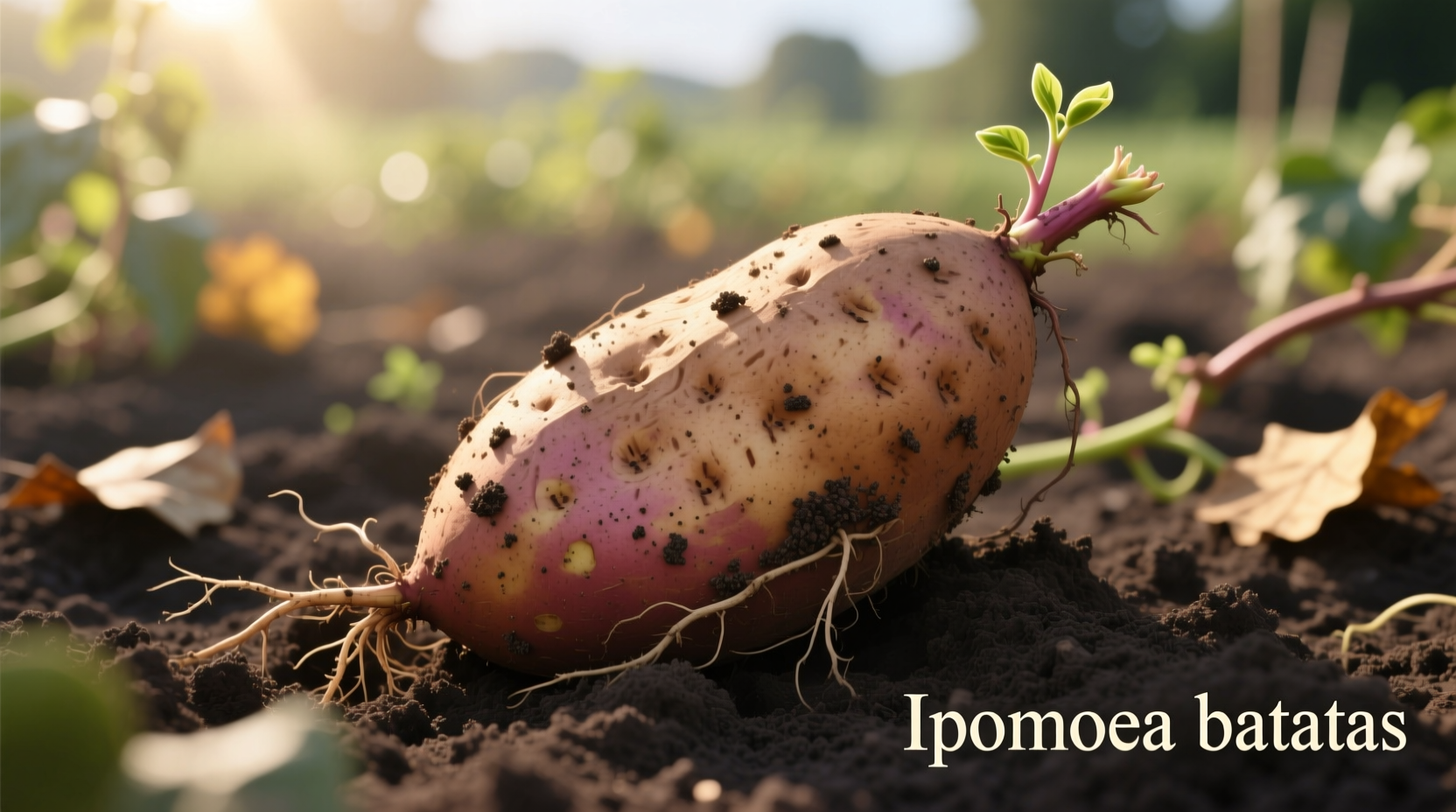
Demystifying Ipomoea Batatas: Beyond the Common Name
When you see Ipomoea batatas on a seed packet or research paper, you're encountering the precise botanical identifier for what most call sweet potatoes. This perennial vine belongs to the Convolvulaceae family, distinct from regular potatoes (Solanum tuberosum) which are nightshades. Understanding this scientific classification prevents confusion with true yams (Dioscorea species), which are botanically unrelated and primarily grown in Africa and Asia.
Archaeological evidence confirms sweet potatoes were domesticated over 5,000 years ago in the tropical regions spanning modern-day Peru and Ecuador. The timeline below illustrates key milestones in its global journey:
| Period | Key Development | Source |
|---|---|---|
| 5000-4000 BCE | Initial domestication in Central/South America | Nature Genetics (2018) |
| 1500s CE | Spread to Europe and Asia via Spanish explorers | Antiquity Journal |
| 1700s | Introduction to North America as a staple crop | USDA Historical Archives |
| Present | Grown in 100+ countries, with China producing 54% of global supply | FAO Statistical Yearbook |
Nutritional Science: Why Sweet Potatoes Earn Superfood Status
One medium sweet potato (130g) delivers 400% of your daily vitamin A needs through beta-carotene, plus significant vitamin C, manganese, and fiber. Unlike white potatoes, sweet potatoes have a lower glycemic index (44-94 vs 78-110), making them suitable for blood sugar management when prepared properly. The vibrant orange flesh indicates high carotenoid content, while purple varieties contain anthocyanins with potent antioxidant properties.
Research from the USDA FoodData Central reveals critical nutritional differences between common root vegetables:
| Nutrient (per 100g) | Sweet Potato | White Potato | Yam |
|---|---|---|---|
| Vitamin A (IU) | 14,187 | 0 | 0 |
| Fiber (g) | 3.0 | 2.2 | 4.1 |
| Glycemic Index | 44-94 | 78-110 | 54 |
| Vitamin C (mg) | 2.4 | 19.7 | 17.1 |
Crucially, cooking method impacts nutrient retention. Boiling preserves 92% of beta-carotene versus 75% when baked, according to a Journal of Agricultural and Food Chemistry study. For maximum vitamin absorption, pair with healthy fats like olive oil since carotenoids are fat-soluble.
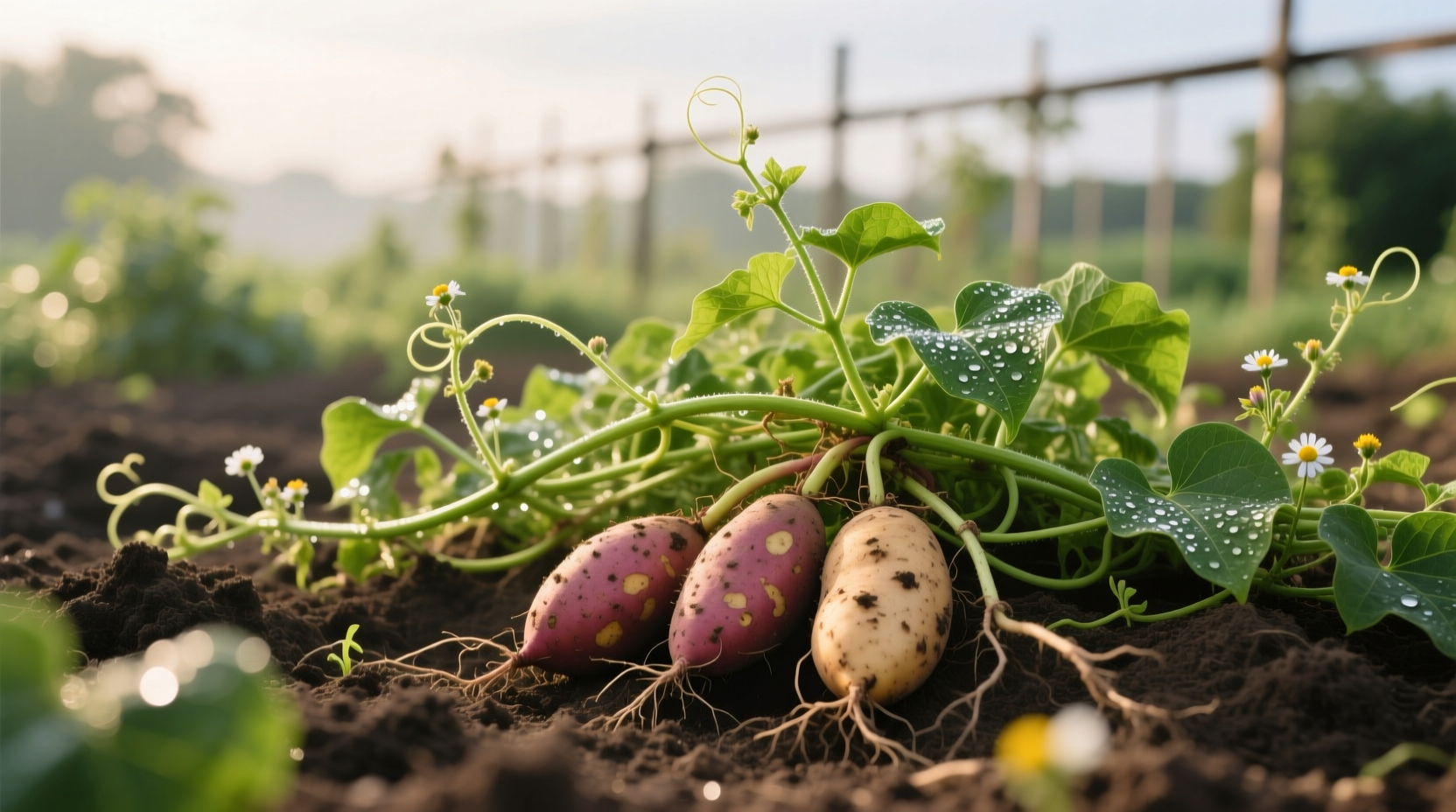
Practical Cultivation: Growing Conditions and Limitations
Sweet potatoes thrive in warm climates (USDA zones 8-11) with 100-170 frost-free days. They require well-drained sandy loam soil with pH 5.5-6.5 and consistent moisture during tuber formation. However, specific context boundaries affect success:
- Cool climates: Require black plastic mulch to warm soil (minimum 60°F/15°C)
- Humid regions: Increased risk of fungal diseases like scurf (manage with crop rotation)
- Container growing: Possible with 5-gallon pots but yields 30-50% less than in-ground
University extension programs confirm that attempting cultivation outside recommended zones often fails due to insufficient heat accumulation. The University of Illinois Extension notes: "Sweet potatoes need 850-1,000 growing degree days for full maturity - impossible in short-season northern climates without season extension techniques."
Culinary Applications: Maximizing Flavor and Nutrition
Professional chefs and home cooks consistently rate sweet potatoes highly for versatility. A USDA Economic Research Service survey found 78% of respondents prefer them over white potatoes for their natural sweetness and texture. Here's how to leverage their potential:
Smart Preparation Techniques
- Boiling with skin: Preserves nutrients better than peeling first
- Pairing with black pepper: Enhances curcumin absorption in recipes with turmeric
- Avoiding excessive sugar: Their natural sweetness (12-15% sugars) means added sweeteners are rarely needed
Three Foolproof Applications
- Nutrient-preserving side dish: Steam chunks for 15 minutes, toss with lemon juice and pumpkin seeds
- Healthy baking substitute: Replace 50% of flour with puree in muffins (adds moisture without oil)
- Soil-enriching cover crop: Grow varieties like 'Beauregard' to suppress weeds and add organic matter
Storage and Selection Guide
Choose firm tubers without bruises or soft spots. Store unrefrigerated in a cool, dark place (55-60°F/13-15°C) for up to 6 months. Never refrigerate raw sweet potatoes - cold temperatures convert starches to sugars, causing hard centers when cooked. If sprouting occurs, simply cut off the sprouts; the tuber remains edible.




 浙公网安备
33010002000092号
浙公网安备
33010002000092号 浙B2-20120091-4