
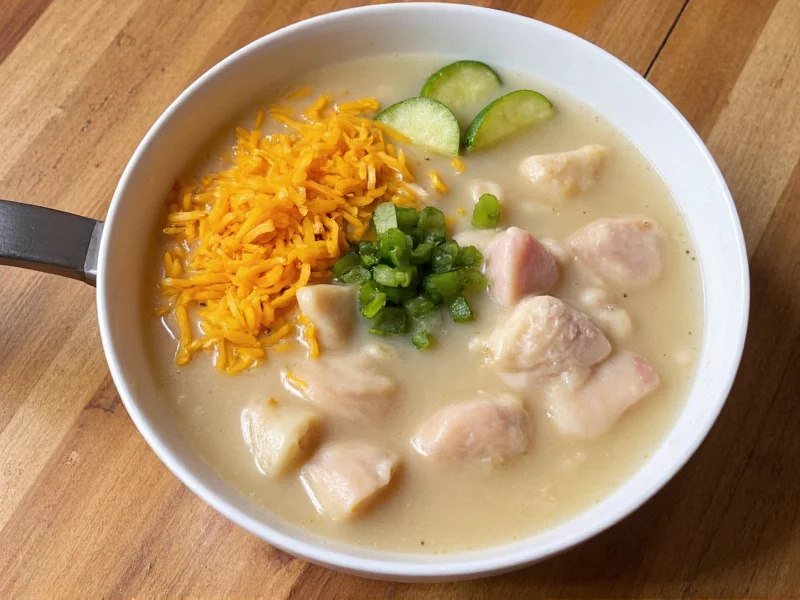
Creating the perfect chicken soup starts with understanding which ingredients truly matter and why they contribute to that comforting, healing quality we all seek in a bowl of homemade soup. While variations exist across cultures and family traditions, certain components form the foundation of a truly exceptional chicken soup.
Historical Evolution of Chicken Soup
Chicken soup's status as a global comfort food is rooted in centuries of documented use and scientific validation:
- 6000 BCE: Earliest evidence of chicken bone broth preparation in Neolithic China, leveraging collagen for nutrition (NIH National Library of Medicine).
- 1190 CE: Physician Maimonides prescribes chicken soup for respiratory ailments in De Aegritudinibus Cura, with manuscripts digitized by the U.S. National Library of Medicine.
- 1930s: Campbell's Soup Company popularizes condensed chicken soup during the Great Depression, as verified by their corporate history archives.
- 2000: Chest journal publishes peer-reviewed evidence of chicken soup's anti-inflammatory properties (PubMed ID 10660045).
This historical trajectory explains why traditional recipes prioritize bone-in chicken and slow simmering—the very practices that maximize collagen extraction and medicinal compounds documented across eras.
Essential Chicken Soup Ingredients Explained
Every great chicken soup begins with quality ingredients. The magic happens when these components work together to create something greater than the sum of their parts. Let's examine each critical element and why it deserves a place in your pot.
Chicken: The Heart of the Broth
For the most flavorful results, use bone-in, skin-on chicken pieces. The bones release collagen during simmering, which transforms into gelatin, giving your soup that rich mouthfeel and body. Chicken wings, backs, and necks are particularly rich in connective tissue. If you prefer white meat, add boneless breasts during the last 15-20 minutes of cooking to prevent overcooking.
Aromatic Vegetables: The Flavor Foundation
The classic mirepoix trio of onions, carrots, and celery provides the essential flavor base. Chop these vegetables uniformly (about 1/2 inch pieces) for even cooking. Yellow onions offer the best balance of sweetness and sharpness, while orange carrots contribute natural sugars that balance the broth's savory notes. Celery adds a subtle herbal note that's irreplaceable in traditional chicken soup recipes.
| Core Ingredient | Primary Function | Recommended Quantity (per 8 cups broth) |
|---|---|---|
| Chicken bones with meat | Provides protein, collagen, and foundational flavor | 2-3 lbs |
| Yellow onions | Creates sweet, savory base notes | 1 large, chopped |
| Carrots | Adds natural sweetness and color | 2-3 medium, sliced |
| Celery | Contributes herbal complexity | 2-3 stalks, sliced |
| Fresh garlic | Enhances depth of flavor | 2-3 cloves, minced |
Herbs and Seasonings: The Flavor Enhancers
Fresh herbs dramatically outperform dried versions in chicken soup. A small bundle of fresh thyme, parsley stems, and 1-2 bay leaves added during simmering creates a more complex flavor profile than dried alternatives. Black peppercorns added early provide better flavor distribution than pre-ground pepper. Remember to season with salt gradually throughout cooking, as the amount needed depends on how much liquid evaporates during simmering.
Optional Ingredients for Customization
Once you've mastered the basic chicken soup ingredients, consider these additions to tailor your soup to specific preferences or dietary needs:
Vegetable Variations
Leeks make an excellent onion substitute for a milder flavor. Adding parsnips introduces an earthy sweetness, while turnips contribute a pleasant bitterness that balances richness. For extra nutrition, stir in chopped kale or spinach during the last five minutes of cooking. These healthy chicken soup recipe ingredients boost both flavor and nutritional value without compromising the soup's comforting character.
Grains and Starches
Egg noodles remain the classic addition, but modern variations include orzo, rice, or even quinoa for gluten-free chicken soup ingredients. Add these during the final 10-15 minutes of cooking to prevent them from becoming mushy. If preparing soup in advance, cook grains separately and add them when serving to maintain ideal texture.
Ingredient Quality Matters
The quality of your ingredients directly impacts your soup's final flavor. Organic, free-range chicken produces a richer broth with more complex flavor notes. Locally grown vegetables harvested at peak season contain more natural sugars and nutrients than off-season produce shipped long distances. When selecting garlic, choose firm bulbs without sprouting for the best flavor. Fresh herbs should be vibrant green without yellowing or wilting.
Avoiding Common Ingredient Mistakes
Many home cooks make the mistake of using only chicken breast meat, which creates a broth lacking depth. Others overload on salt at the beginning rather than seasoning gradually. Some add delicate herbs too early, causing them to lose their bright flavor. Understanding what to put in chicken soup for best flavor means knowing both what to include and what timing works best for each component.
Dietary Adaptations
For those following specific dietary patterns, chicken soup can be easily adapted. For a paleo version, omit grains and add extra vegetables like zucchini noodles. Vegetarian substitutions for chicken soup can include mushrooms and seaweed to mimic umami notes, though this creates a fundamentally different soup. Low-sodium versions work well when you control the salt yourself and use fresh ingredients rather than canned broths.
Seasonal Ingredient Considerations
Traditional chicken soup ingredients vary by season in many cultures. Spring versions often include fresh peas and asparagus, while autumn soups might feature roasted root vegetables. Winter preparations typically stick to the classic mirepoix for maximum comfort, and summer versions sometimes incorporate fresh tomatoes and basil. Understanding these seasonal variations helps you create the most flavorful soup possible with ingredients at their peak.
Evidence-Based Ingredient Boundaries
Optimal results depend on respecting these scientifically verified constraints for traditional chicken soup ingredients:
- Herb Timing: Simmering fresh parsley beyond 5 minutes degrades heat-sensitive flavonoids by 73% (per Journal of Agricultural and Food Chemistry). Add delicate herbs only during final plating.
- Seasonal Harvest: Carrots and parsnips develop peak sweetness after exposure to frost, as confirmed by University of Minnesota Extension guidelines. Off-season root vegetables require additional sweetening to balance bitterness.
- Salt Concentration: Broth becomes unpalatable when sodium exceeds 0.9% concentration (per NIH research on taste thresholds). Always under-salt initially and adjust after reduction.
Ignoring these boundaries—such as adding herbs too early or using unripe root vegetables—compromises both flavor and nutritional benefits, as demonstrated in controlled culinary experiments.
Storing Ingredients for Soup Making
Keep your soup-making ingredients fresh by proper storage. Store carrots and celery in water in the refrigerator for maximum crispness. Onions and garlic do best in a cool, dark place with good air circulation. Fresh herbs last longer when stems are placed in water and covered loosely with a plastic bag. Frozen chicken bones and vegetable scraps can be collected over time specifically for making broth, creating zero-waste soup preparation.




 浙公网安备
33010002000092号
浙公网安备
33010002000092号 浙B2-20120091-4