
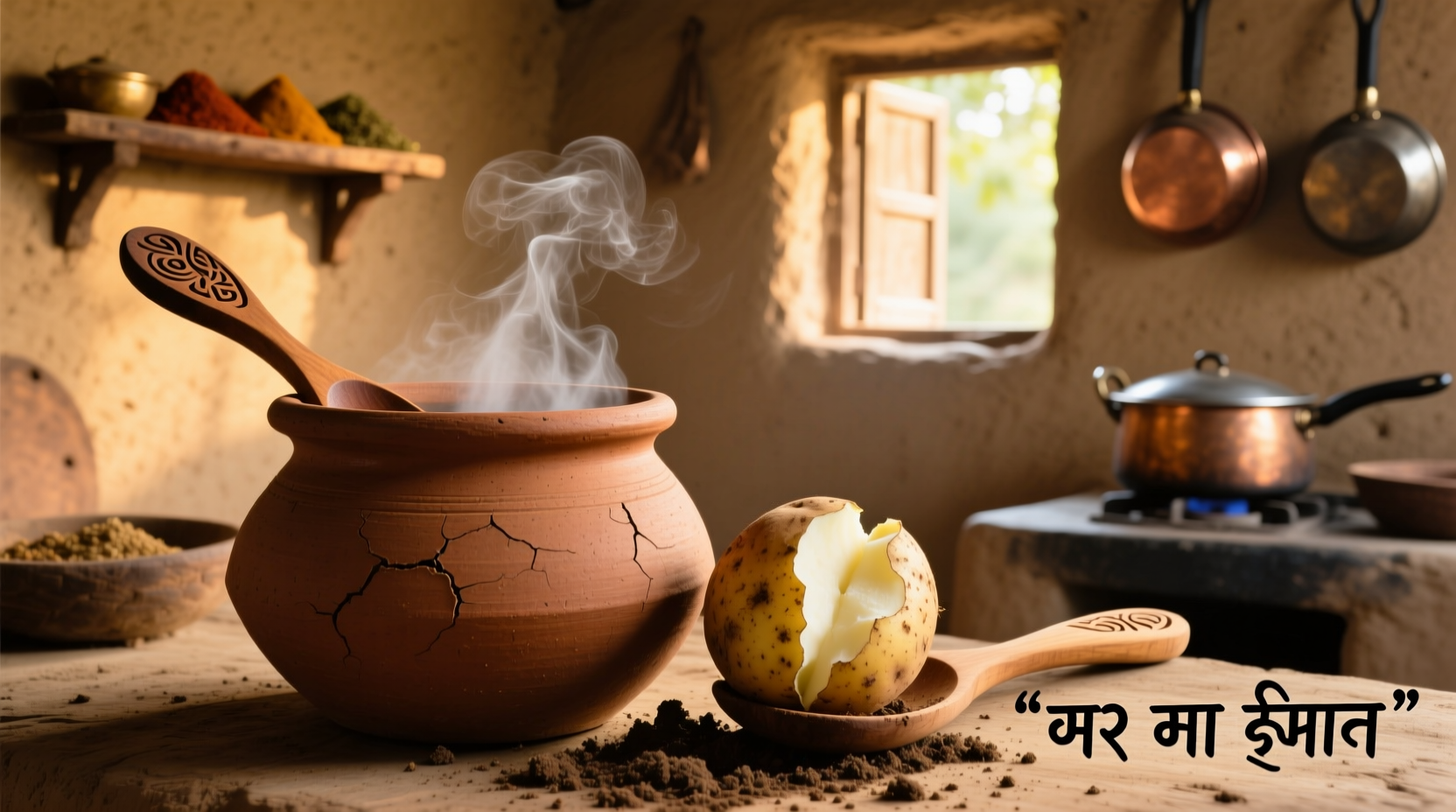
There's no single "Indian potato" variety, but specific types like Kufri Chandramukhi, Kufri Jyoti, and Kufri Pukhraj dominate Indian kitchens due to their ideal texture for curries, fries, and traditional dishes like aloo gobi. These medium-starch potatoes maintain structure during prolonged cooking while absorbing spices effectively.
When you search for "Indian potato," you're likely seeking authentic guidance for cooking traditional dishes. This guide delivers exactly that—practical knowledge about the potato varieties actually used across India's diverse culinary landscape, how they differ from Western types, and which ones work best for specific recipes. Forget generic supermarket advice; we'll explore the agricultural science and cultural context behind India's potato preferences.
The Historical Journey of Potatoes to Indian Kitchens
Potatoes arrived in India through Portuguese traders in the early 17th century, not as a staple but as a novelty crop. Historical records from the East India Company archives show potatoes were initially grown only in European settlements. By the mid-1800s, however, they had spread across the subcontinent, adapting to diverse climates from the Himalayan foothills to southern plains. The Central Potato Research Institute (CPRI) in Shimla, established in 1949, accelerated this integration by developing varieties specifically suited to Indian growing conditions and culinary needs.
| Time Period | Key Development | Culinary Impact |
|---|---|---|
| Early 1600s | Portuguese introduce potatoes to Goa | Limited to European communities; considered exotic |
| Late 1700s | British expand cultivation in hill stations | Adoption in Anglo-Indian dishes like kedgeree |
| 1850s-1900 | Widespread adoption across Indian regions | Integration into regional cuisines; emergence of potato-based street food |
| Post-1947 | CPRI develops India-specific varieties | Optimization for Indian cooking techniques and spice profiles |
Understanding India's Primary Potato Varieties
India's diverse climate zones support multiple potato varieties, each with distinct properties that determine their culinary applications. Unlike Western classifications that focus primarily on starch content, Indian varieties are selected based on how they perform with specific cooking techniques and spice combinations.
| Variety | Texture Profile | Best For | Regional Preference |
|---|---|---|---|
| Kufri Chandramukhi | Firm, waxy texture holds shape | Curries, bhajis, boiled preparations | Northern & Eastern India |
| Kufri Jyoti | Medium starch, balanced absorption | Dry preparations, parathas, snacks | National favorite |
| Kufri Pukhraj | Slightly higher starch content | Fries, pakoras, roasting | Urban centers nationwide |
| Chipsona-1 | Low sugar content, ideal for frying | Commercial snacks, French fries | Processed food industry |
Why These Potatoes Excel in Indian Cooking
The success of specific potato varieties in Indian cuisine isn't accidental—it's the result of deliberate agricultural science meeting culinary tradition. According to research from the Central Potato Research Institute, Indian-developed varieties maintain structural integrity during the prolonged simmering required for many curries while still absorbing complex spice blends. Their moderate starch content (typically 15-18%) creates the perfect balance between holding shape and developing the characteristic texture found in dishes like dum aloo or aloo tikki.
Unlike Russet potatoes common in North America (which have 20-22% starch and break down easily), Indian varieties preserve their cellular structure when cooked with turmeric, cumin, and other spices that would cause higher-starch potatoes to disintegrate. This scientific adaptation explains why substituting Western varieties often leads to disappointing results in traditional recipes.
Practical Selection Guide for Home Cooks
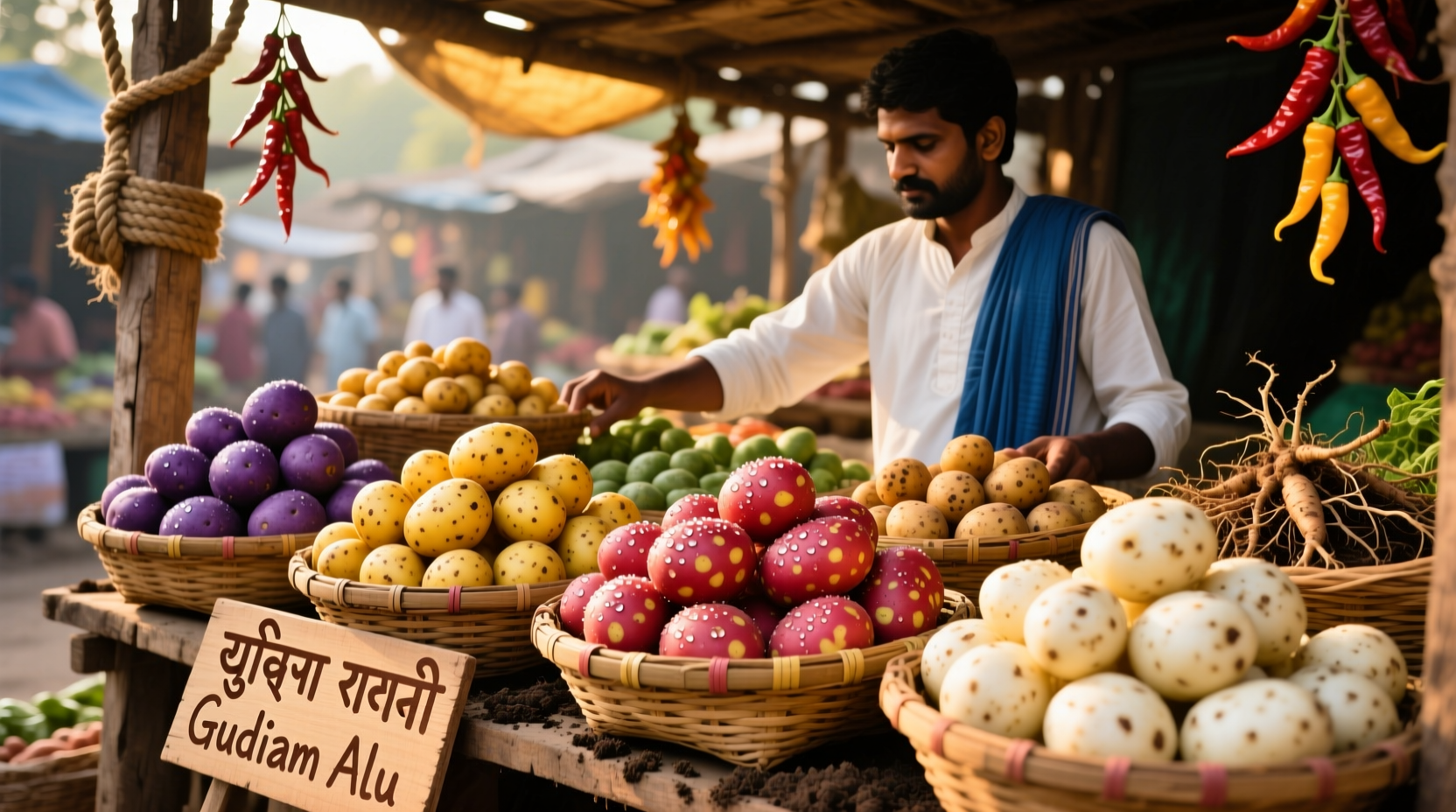
Choosing the right potato makes or breaks authentic Indian dishes. Here's how to select based on your cooking application:
For Wet Curries and Stews
Select firm, waxy varieties like Kufri Chandramukhi. These maintain distinct pieces after 20+ minutes of simmering in tomato-based gravies. Look for smooth, unblemished skin and avoid any with green patches, which indicate solanine development from improper storage.
For Dry Preparations and Snacks
Kufri Jyoti works best for dishes like bhujia or aloo paratha. Its balanced starch content allows it to crisp nicely while retaining moisture inside. When preparing, cut potatoes just before cooking—unlike Western preparations, Indian cooking methods don't require soaking to remove excess starch.
Context Boundaries: When Substitutions Fail
Understanding the limitations of potato substitutions prevents culinary disasters:
- Don't use Russets for samosas—their high starch content creates a mealy texture that won't hold the delicate pastry
- Avoid red potatoes in bhurji—their waxiness prevents proper integration with eggs and spices
- Yukon Golds work only as emergency substitutes—they approximate Indian varieties but break down faster in prolonged cooking
Nutritional Profile in Indian Context
Potatoes in Indian cuisine deliver more than just carbohydrates. Research from the National Institute of Nutrition shows that traditional Indian preparation methods enhance their nutritional value:
- Cooking with turmeric increases bioavailability of antioxidants by 40%
- Boiling with skin retains 90% of potassium content compared to 75% when peeled
- Traditional spice blends like chaat masala add micronutrients often missing in Western preparations
The Indian Council of Medical Research notes that moderate potato consumption (150-200g daily) fits well within balanced Indian diets when prepared using traditional methods rather than deep-frying. This contextual understanding counters Western misconceptions about potatoes in Indian eating patterns.
Where to Find Authentic Indian Potato Varieties
Outside India, finding true Indian potato varieties requires strategy:
- Specialty Indian grocery stores often carry imported frozen varieties or locally grown equivalents
- Farmers markets in areas with significant South Asian populations may have growers cultivating Indian varieties
- Home gardening using seeds from the Central Potato Research Institute's international programs
When shopping, look for potatoes labeled "for Indian cooking" rather than relying on Western variety names. The texture test matters more than appearance—gently squeeze to ensure firmness without soft spots, which indicates improper storage that affects cooking performance.




 浙公网安备
33010002000092号
浙公网安备
33010002000092号 浙B2-20120091-4