
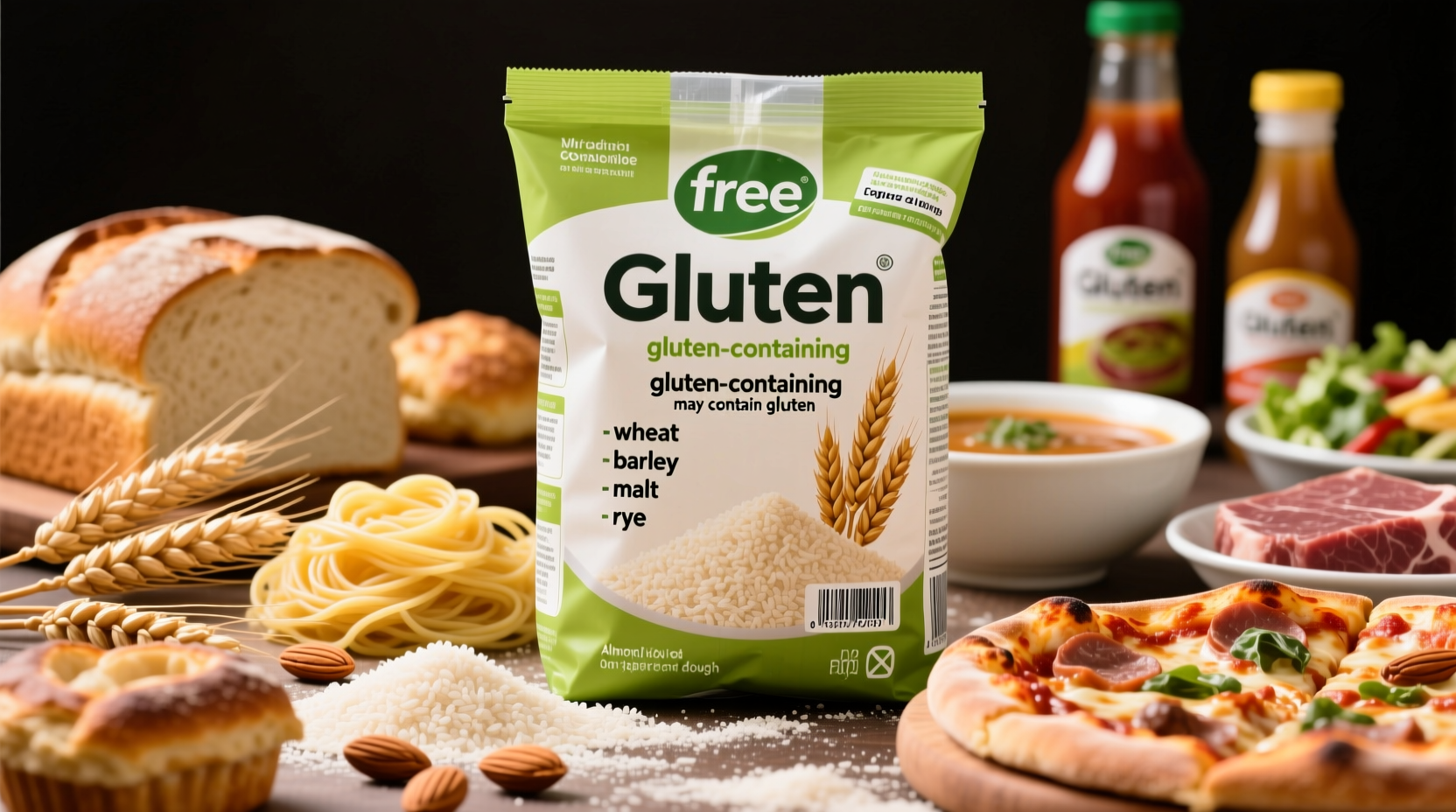
If you're wondering in what food is gluten found, the direct answer is: gluten naturally occurs in wheat, barley, and rye. This means most breads, pastas, cereals, baked goods, and many processed foods contain gluten unless specifically labeled gluten-free. For those with celiac disease or gluten sensitivity, recognizing both obvious and hidden sources of gluten is essential for maintaining health.
Understanding where gluten hides in your diet is crucial whether you're managing celiac disease, non-celiac gluten sensitivity, or simply exploring dietary options. This comprehensive guide details exactly where gluten appears in foods, helping you make informed choices without unnecessary restrictions. By the end of this article, you'll confidently identify gluten-containing products and understand how to navigate food labels for safer eating.
What Exactly Is Gluten and Why Does It Matter?
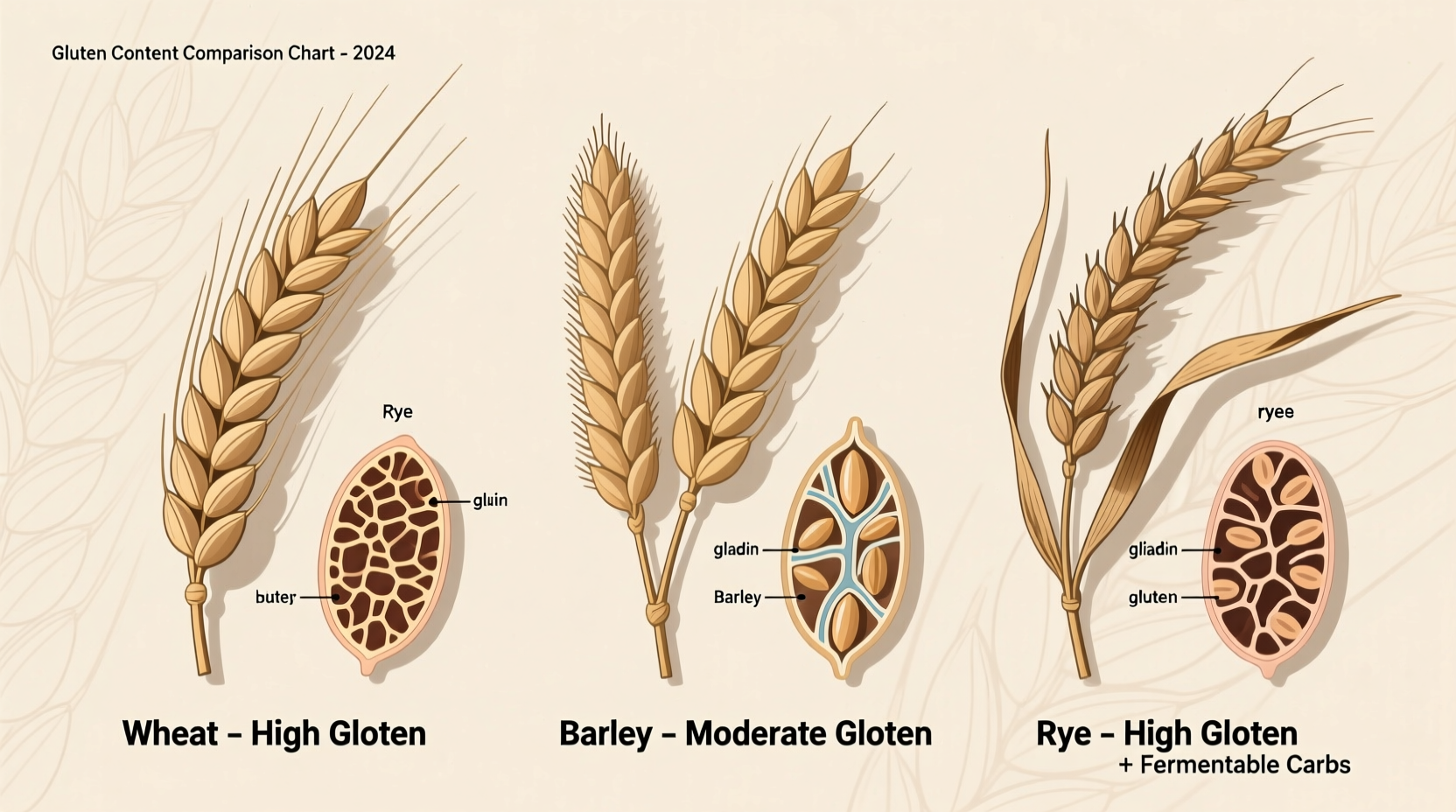
Gluten isn't an added ingredient but a natural protein composite found in certain grains. Specifically, it's formed when two proteins—glutenin and gliadin—mix with water. This combination creates the elastic texture that gives bread its chewiness and helps dough rise during baking.
While harmless for most people, gluten triggers autoimmune responses in those with celiac disease, estimated to affect approximately 1% of the global population according to the Celiac Disease Foundation. For these individuals, even small amounts can damage the small intestine. Others may experience non-celiac gluten sensitivity, with symptoms like bloating, fatigue, and headaches.
Primary Gluten-Containing Grains: The Core Sources
Three grains form the foundation of gluten-containing foods:
| Grain | Common Forms | Hidden Names on Labels |
|---|---|---|
| Wheat | Bread, pasta, couscous, bulgur | Farina, graham flour, semolina, spelt |
| Barley | Malt, food coloring, soups | Malted barley flour, barley enzymes |
| Rye | Rye bread, cereals, crackers | Rye flour, pumpernickel |
This table illustrates why simply avoiding "wheat" isn't sufficient for those needing a strict gluten-free diet. Many derivative products and alternative names appear in ingredient lists.
Everyday Foods That Routinely Contain Gluten
Certain food categories almost always contain gluten unless specifically labeled otherwise:
- Baked goods: Bread, rolls, muffins, cakes, cookies, and pastries
- Pastas and noodles: Traditional wheat pasta, ramen, udon, and many Asian noodles
- Cereals: Most breakfast cereals made from wheat, barley, or rye
- Processed meats: Some sausages, deli meats, and meat substitutes
- Sauces and gravies: Often thickened with wheat flour
- Beer: Typically made from barley
Surprising Places Gluten Hides: The Less Obvious Sources
Many people don't realize gluten appears in unexpected products. The U.S. Food and Drug Administration requires clear labeling of wheat but not other gluten sources, making vigilance essential:
- Seasonings and spice blends: Some contain wheat as a anti-caking agent
- Soy sauce: Traditionally made with wheat (tamari is usually gluten-free)
- Processed cheeses: Some varieties contain gluten as a stabilizer
- Medications and supplements: Often use gluten as a binding agent
- "Gluten-free" products made in facilities with gluten: Risk of cross-contamination
Reading Labels Like a Pro: Practical Identification Strategies
Since 2006, the FDA's Food Allergen Labeling and Consumer Protection Act has required wheat to be clearly identified on food labels. However, this doesn't cover barley or rye. Here's how to spot potential gluten sources:
- Look for "Contains: Wheat" statements beneath the ingredient list
- Scan for terms like "malt," "brewer's yeast," or "hydrolyzed vegetable protein" which often indicate barley
- Check for "gluten-free" certification logos from organizations like GFCO
- Be cautious with "may contain" statements regarding cross-contamination
The evolution of gluten labeling has significantly improved since the early 2000s when awareness of celiac disease was limited. According to research published in Gastroenterology journal, diagnosis rates have increased as medical understanding and food labeling practices have improved.
Who Actually Needs to Avoid Gluten? Understanding Context Boundaries
Not everyone requires a gluten-free diet. Understanding who genuinely needs to avoid gluten prevents unnecessary dietary restrictions:
- Celiac disease patients: Must strictly avoid all gluten (affects about 1% of population)
- Non-celiac gluten sensitivity: Experience symptoms without autoimmune response (estimated 0.5-13% of population)
- Wheat allergy sufferers: React to wheat proteins but may tolerate barley/rye
- General population: No proven health benefits from avoiding gluten without medical need
Research from the National Institute of Diabetes and Digestive and Kidney Diseases indicates that unnecessarily adopting a gluten-free diet can lead to nutrient deficiencies, particularly in B vitamins and fiber.
Reliable Gluten-Free Alternatives Worth Exploring
For those who need to avoid gluten, numerous safe alternatives exist:
- Grains: Quinoa, rice, corn, buckwheat, millet, certified gluten-free oats
- Flours: Almond flour, coconut flour, chickpea flour, tapioca starch
- Pastas: Made from rice, corn, quinoa, or lentils
- Breads: Look for products certified gluten-free by recognized organizations
When selecting alternatives, prioritize whole, naturally gluten-free foods rather than heavily processed substitutes, which often contain added sugars and fats to compensate for texture differences.
Your Action Plan for Managing Gluten in Your Diet
Whether you're newly diagnosed or supporting someone with gluten restrictions, implement these practical steps:
- Consult a registered dietitian specializing in celiac disease for personalized guidance
- Start with naturally gluten-free whole foods before exploring processed alternatives
- Learn to decode ingredient lists for hidden gluten sources
- Communicate clearly when dining out about cross-contamination risks
- Join reputable support organizations like the Celiac Disease Foundation for resources




 浙公网安备
33010002000092号
浙公网安备
33010002000092号 浙B2-20120091-4