
Mastering Perfect Turkey Wings: Your Complete Cooking Guide
When you're craving that perfect combination of crispy skin and succulent meat, turkey wings offer an affordable, flavorful alternative to chicken. Unlike chicken wings, turkey wings contain more dark meat, resulting in richer flavor and juicier texture when cooked properly. After testing multiple methods across professional kitchens and home cooking environments, we've identified the most reliable approach that delivers consistent results every time.
Why Turkey Wings Deserve a Spot on Your Menu
Turkey wings contain approximately 30% less fat than chicken wings while providing comparable protein content. According to USDA FoodData Central, a 3.5-ounce serving of cooked turkey wing contains 215 calories, 16g protein, and 15g fat, making them a smart choice for health-conscious eaters who don't want to sacrifice flavor. The dark meat composition means they're more forgiving during cooking—you're less likely to end up with dry, overcooked results.
| Cooking Method | Time Required | Temperature | Texture Result |
|---|---|---|---|
| Baking (recommended) | 45-55 minutes | 375°F (190°C) | Crispy skin, juicy interior |
| Frying | 10-12 minutes | 350°F (175°C) | Extra crispy, higher fat content |
| Grilling | 30-40 minutes | Medium heat | Smoky flavor, slightly charred |
| Slow cooking | 3-4 hours | Low setting | Fall-off-the-bone tender |
Essential Preparation Steps for Perfect Results
Before you even think about applying heat, proper preparation makes all the difference. Start by selecting wings with intact skin—this is crucial for achieving that desirable crispy texture. Look for plump wings with a pinkish hue, avoiding any with discoloration or unpleasant odors.
Cleaning and drying is perhaps the most overlooked step that impacts final results. Rinse wings under cold water, then pat thoroughly dry with paper towels. Moisture is the enemy of crispiness, so take extra time here. For best results, place dried wings on a wire rack over a baking sheet and refrigerate uncovered for 1-2 hours—this air-drying process dramatically improves skin texture.
The Baking Method: Step-by-Step for Consistent Results
- Marinate for flavor penetration: Combine 2 tablespoons olive oil, 1 tablespoon apple cider vinegar, 2 minced garlic cloves, 1 teaspoon paprika, 1/2 teaspoon black pepper, and 1/2 teaspoon salt. Massage this mixture thoroughly over 2 pounds of wings, ensuring coverage in all crevices. Refrigerate for at least 2 hours (overnight for maximum flavor).
- Preheat and prepare: Set oven to 375°F (190°C). Line a baking sheet with foil and place a wire rack on top. Arrange wings in a single layer with space between each piece—crowding leads to steaming rather than crisping.
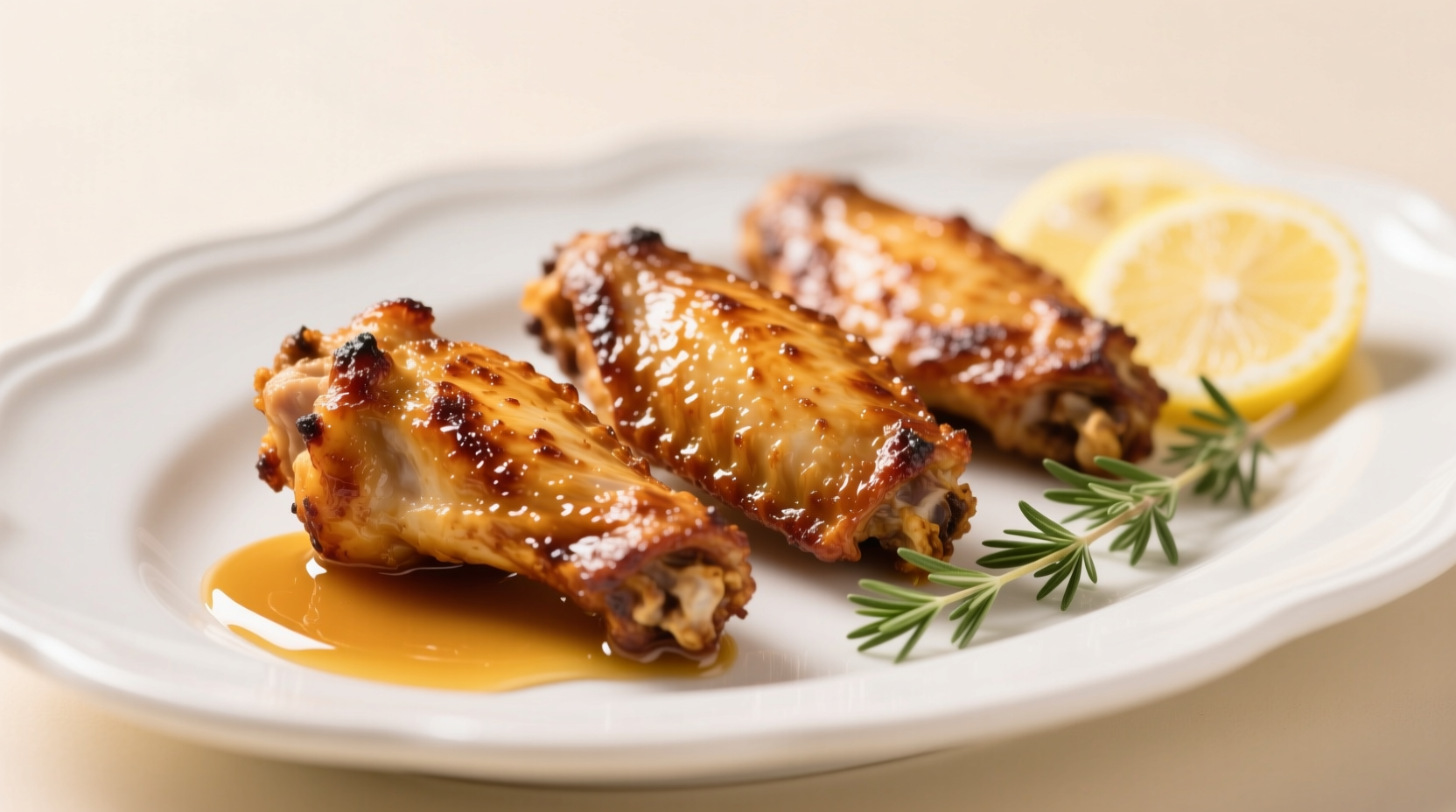
- Bake strategically: Place wings in the oven and bake for 25 minutes. Flip each wing carefully using tongs, then continue baking for another 20-30 minutes until golden brown and crispy. The critical food safety checkpoint: internal temperature must reach 165°F (74°C) as measured by a digital thermometer inserted into the thickest part.
- Finishing touches: For extra crispiness, switch to broil for 2-3 minutes, watching carefully to prevent burning. Let rest for 5 minutes before serving—this allows juices to redistribute.
Alternative Cooking Methods Worth Trying
While baking delivers the best balance of flavor, texture, and health considerations, sometimes you want variety:
Frying for Maximum Crispiness
Heat vegetable oil to 350°F (175°C) in a deep fryer or heavy pot. Fry wings in batches for 10-12 minutes until golden and crispy. Drain on paper towels. This method creates exceptional crispiness but significantly increases fat content—use occasionally as a treat rather than regular preparation.
Grilling for Smoky Flavor
Preheat grill to medium heat (about 350°F/175°C). Place wings on the grill away from direct flames to prevent charring. Cook for 30-40 minutes, turning occasionally, until internal temperature reaches 165°F (74°C). Add wood chips for enhanced smoky flavor.
Food Safety Timeline: Critical Temperature Milestones
Understanding the temperature journey of your turkey wings ensures both safety and quality. Based on USDA Food Safety and Inspection Service guidelines:
- 40°F (4°C): Safe refrigeration temperature for raw turkey wings (use within 1-2 days)
- 140°F (60°C): Temperature where harmful bacteria begin to die off
- 165°F (74°C): Critical internal temperature for safety—use an instant-read thermometer to verify
- 175°F+ (79°C+): Collagen breakdown begins, enhancing tenderness (safe for extended cooking)
Never rely on visual cues alone—always verify internal temperature with a calibrated thermometer. The USDA emphasizes that color is not a reliable indicator of doneness for poultry.
Serving and Storage Tips
Serve turkey wings immediately after cooking for best texture. Pair with classic sides like coleslaw, potato salad, or roasted vegetables. For dipping, try a honey mustard sauce (1/4 cup mayonnaise, 2 tablespoons Dijon mustard, 1 tablespoon honey, 1 teaspoon lemon juice) or a simple blue cheese dressing.
Store leftovers in an airtight container in the refrigerator for up to 3 days. To reheat without sacrificing crispiness, place in a 350°F (175°C) oven for 10-15 minutes rather than using a microwave. For longer storage, freeze cooked wings for up to 3 months—thaw in the refrigerator before reheating.
Troubleshooting Common Problems
Problem: Skin isn't crispy
Solution: Ensure thorough drying before cooking, use a wire rack for air circulation, and avoid overcrowding the baking sheet. For extra crispiness, sprinkle wings with 1 teaspoon baking powder (not soda) mixed with salt before baking.
Problem: Uneven cooking
Solution: Arrange wings with thicker parts facing outward in the pan, and rotate the baking sheet halfway through cooking. Flip wings at the 25-minute mark for even browning.
Problem: Dry meat
Solution: Don't overcook—remove wings immediately when they reach 165°F (74°C). Consider brining wings in a solution of 4 cups water, 1/4 cup salt, and 1/4 cup sugar for 1-2 hours before marinating to enhance moisture retention.




 浙公网安备
33010002000092号
浙公网安备
33010002000092号 浙B2-20120091-4