
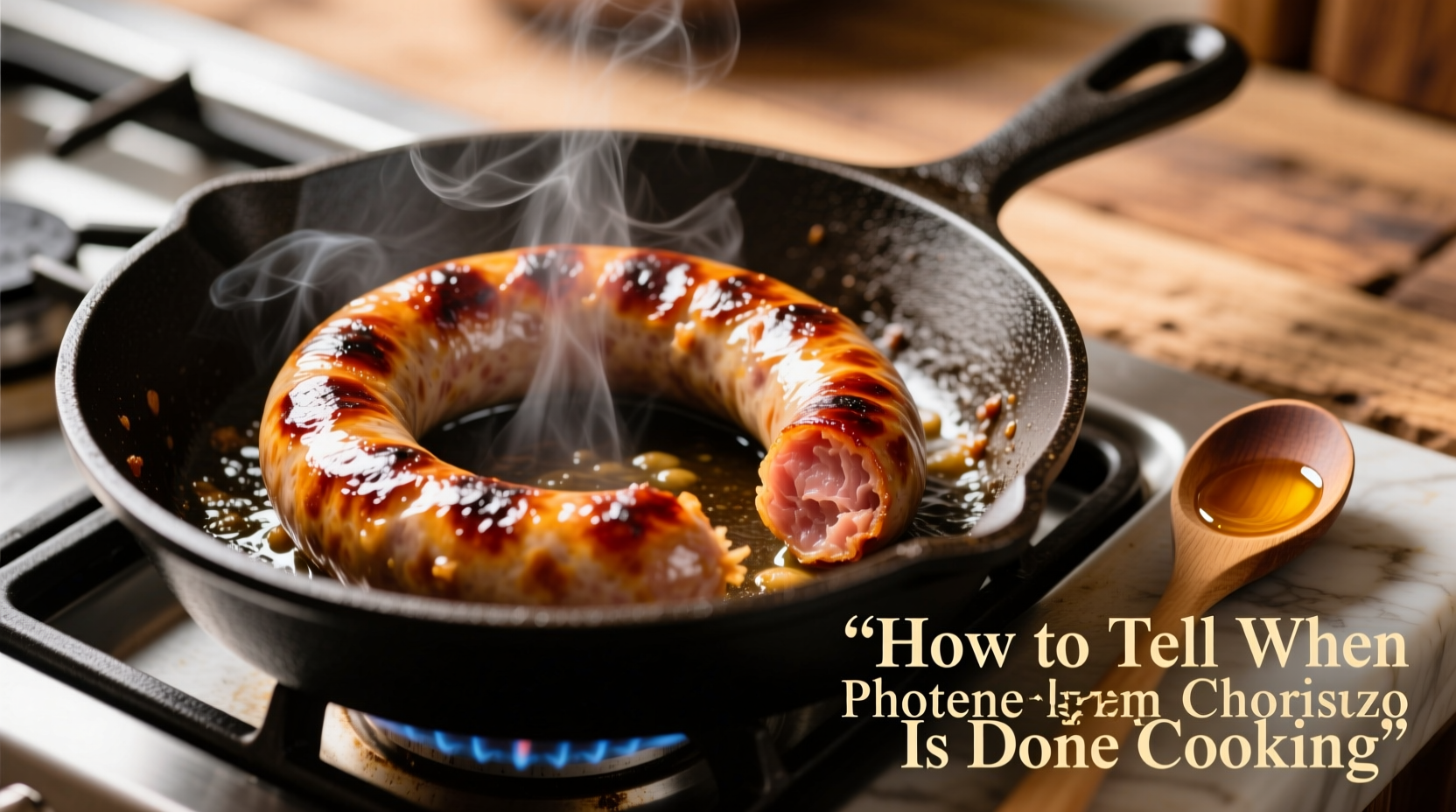
Why Getting Chorizo Right Matters (And Why Most People Mess Up)
Let's be real: I've seen way too many folks treat all chorizo the same. You toss Mexican chorizo in a pan thinking it's like Spanish, and suddenly you're risking Salmonella from undercooked meat. Or worse—you blast it until it's a dry, crumbly mess because you're scared of pink bits. Honestly, the biggest pain point? Not knowing your chorizo type. Spanish (cured) is shelf-stable and ready to eat; Mexican (fresh) is raw sausage meat needing full cooking. Get this wrong, and you're either playing Russian roulette with food poisoning or wasting good meat. Been there, done that—20 years ago, I learned the hard way after serving undercooked chorizo at a tapas night. Trust me, nobody wants that callback.
How to Actually Tell If It's Done: Ditch the Timer, Use Your Senses
Forget setting a clock—chorizo's doneness depends on heat level, thickness, and type. After testing hundreds of batches, here's what works every time without fancy gear:
1. The Visual Check (Your First Line of Defense)
Look for these changes as it cooks:
- Color shift: Raw Mexican chorizo starts grayish-pink. When done, it turns deep reddish-brown with crispy, almost blackened edges. Spanish chorizo darkens slightly but shouldn't char.
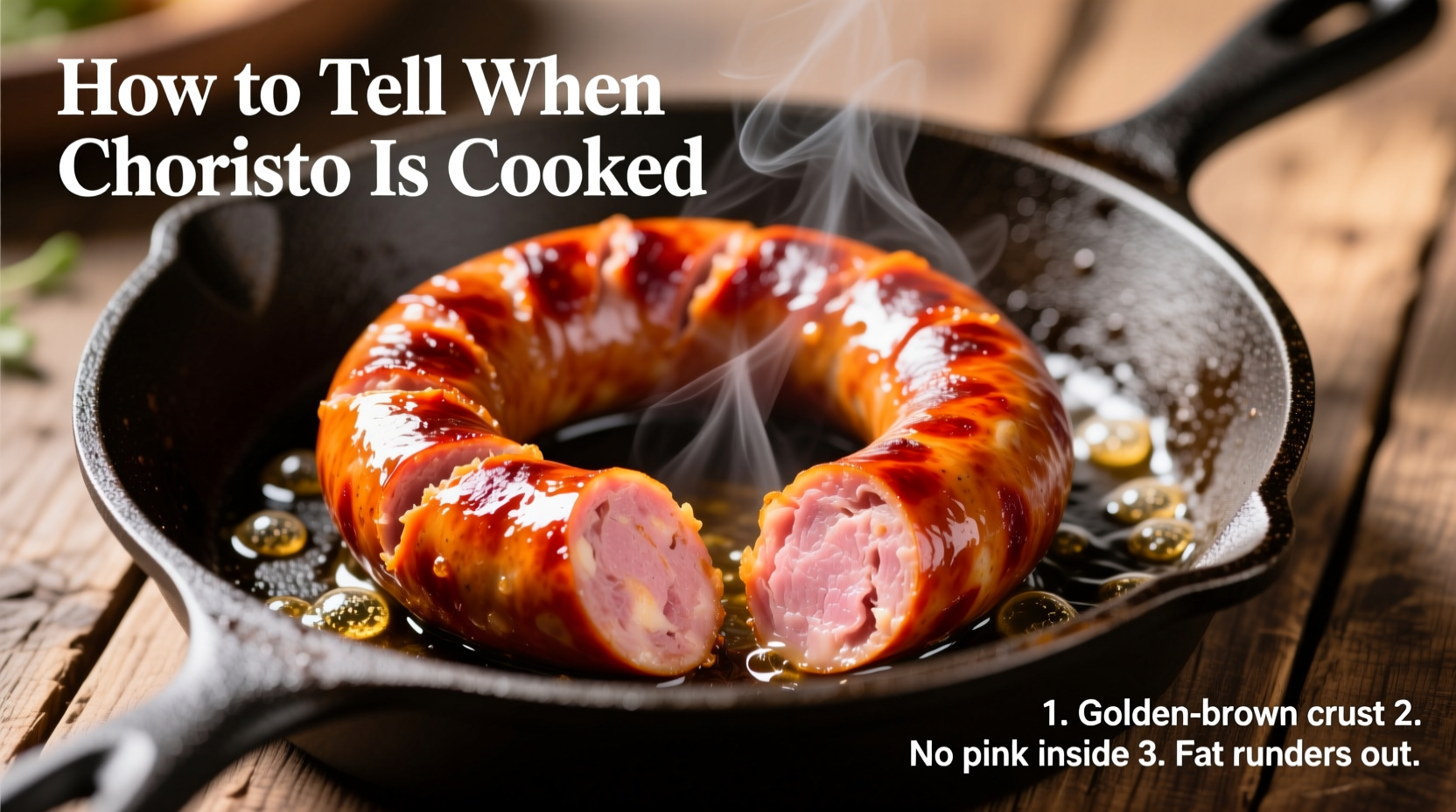
- Juices: Poke it gently with a fork. Done chorizo releases clear or pale yellow fat—not pink or bloody liquid. If juices run pink, keep cooking.
- Texture: It'll pull away from the pan sides and look 'set,' not soft or squishy.
2. The Touch Test (No Tools Required)
Here's where home cooks nail it: press the chorizo lightly with a spatula. Done meat feels firm—like the heel of your palm when your hand is relaxed. Undercooked stays soft and squishy; overcooked turns hard and crumbly. For Spanish chorizo, it should spring back slightly when pressed. Mexican chorizo won't bounce much but shouldn't feel mushy. Pro tip: Cook a test piece first if you're unsure—it takes 30 seconds and saves the whole batch.
3. Internal Temperature (For the Paranoid or Perfectionists)
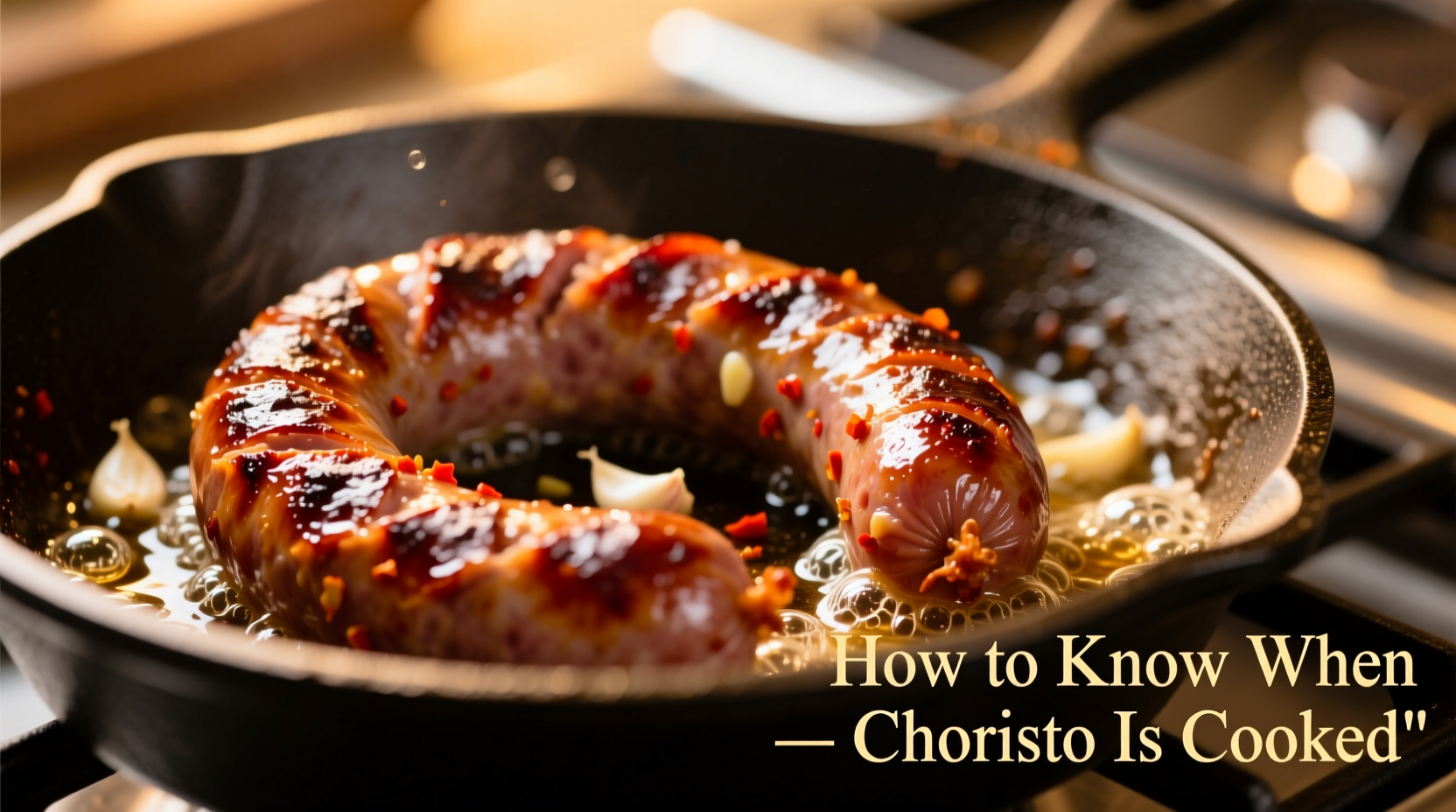
Yeah, I get it—some folks want numbers. Use an instant-read thermometer in the thickest part. Mexican chorizo hits 160°F when safe; Spanish just needs 140°F to warm through. But honestly? For 95% of home cooking, the visual/touch method is faster and just as reliable. Save the thermometer for big batches or if someone's immunocompromised.
| Chorizo Type | Key Doneness Signs | Common Mistakes |
|---|---|---|
| Spanish (cured) | Heated through (140°F), slight darkening, fat renders clear | Overcooking until brittle; treating it like raw meat |
| Mexican (fresh) | No pink inside, 160°F, firm texture, clear juices | Stopping too early due to 'spitting' oil; ignoring internal color |
When to Adjust Your Approach (And When Not To)
Not all cooking scenarios are equal. Here's where flexibility matters:
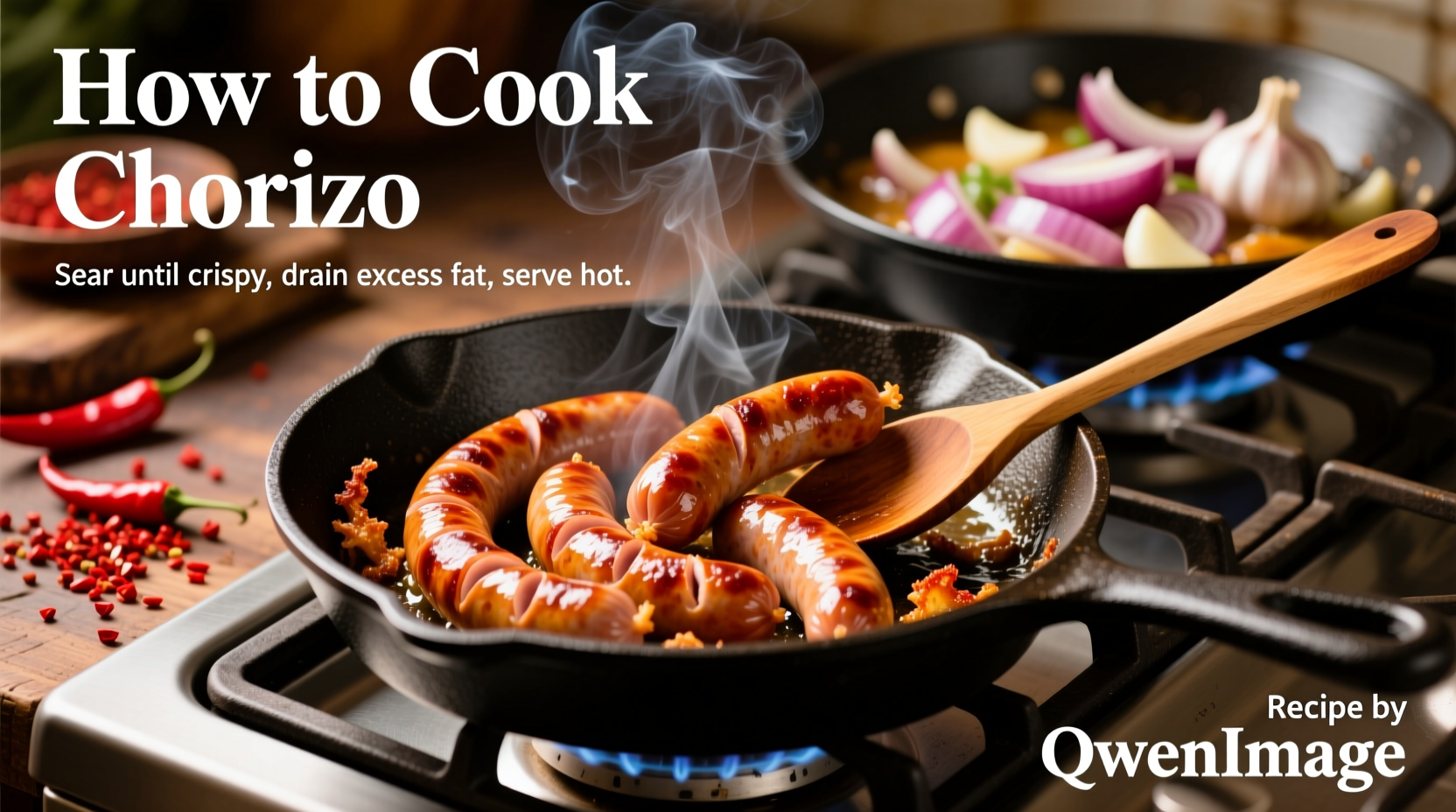
- Frying in a pan: Best for Mexican chorizo. Cook over medium heat (not high!) until oil stops spitting violently—that's when water evaporates and fat renders. Takes 8-12 mins. Avoid crowding the pan; it steams instead of crisping.
- Baking or roasting: Ideal for Spanish chorizo slices. 375°F for 10-15 mins until edges crisp. Don't walk away—thin slices burn fast.
- In stews or sauces: Add Mexican chorizo early to render fat; it cooks as the dish simmers. Spanish chorizo goes in last 5 mins to warm without disintegrating.
When to avoid visual cues alone: If cooking for pregnant people, kids, or elders, always verify Mexican chorizo hits 160°F. Also skip touch tests if using pre-crumbed chorizo—it's too fragmented.
3 Costly Mistakes Even Experienced Cooks Make
After years of testing, here's what trips people up:
- Mixing up chorizo types: Throwing Spanish chorizo into a chili? It'll melt into greasy bits. Using Mexican in paella without full cooking? Hello, food poisoning risk. Always check the label: "cured" or "fresh" is your clue.
- Trusting the "oil stop" myth: Chorizo stops spitting oil when water evaporates—but that doesn't mean it's cooked through. Mexican chorizo can still be raw inside. Focus on color and firmness instead.
- Skipping the rest time: Let it sit 2-3 mins off-heat. Resting redistributes juices so it doesn't dry out when sliced. I learned this after serving crumbly chorizo tacos that fell apart.
Final Pro Tips for Foolproof Results
Keep it simple: For Mexican chorizo, cook until it looks like crumbled bacon—deep brown with no pink. Spanish chorizo just needs warming until pliable. And seriously, ditch the fear of pink in cured types; it's normal. If you're new to this, start with pre-sliced Spanish chorizo—it's harder to mess up. Remember, chorizo should be juicy, not dry; spicy, not burnt. Got a batch that's overdone? Chop it fine for scrambled eggs—it hides the texture flaw.
Everything You Need to Know
Spanish chorizo (cured) is safe to eat raw since it's air-dried and fermented—think of it like salami. But Mexican chorizo (fresh) is raw pork sausage and must be fully cooked to 160°F. Never eat fresh chorizo uncooked; it carries bacteria risks like any raw meat.
Mexican chorizo takes 8-12 minutes over medium heat; Spanish chorizo needs just 5-7 minutes to warm through. But timing varies wildly—thin slices cook faster than chunks. Always rely on visual/touch cues over the clock. If it's spitting oil aggressively at first, that's normal water content evaporating; keep cooking until it calms down and browns.
For Mexican chorizo, persistent pink means it's undercooked—keep frying until no trace of pink remains. But Spanish chorizo often stays slightly pink inside even when heated through because of curing salts. If it's firm and hot, it's safe. When in doubt, check internal temp: 160°F for fresh types.
Absolutely—and it happens fast. Overcooked chorizo turns dry, crumbly, and loses its rich flavor. Mexican types become like sawdust; Spanish turns brittle. Pull it off-heat when it's firm but still slightly juicy. Pro move: If it's overdone, chop it into dishes like beans or rice where oil rehydrates it.
For Mexican chorizo, yes—once it's cooked and no pink remains, drain excess fat if using in dishes like eggs or tacos. But don't drain too early; that fat carries flavor for cooking veggies or rice. Spanish chorizo releases less grease, so just spoon off what pools in the pan. Never skip draining if the grease looks cloudy or pink—it means undercooking.




 浙公网安备
33010002000092号
 浙B2-20120091-4