
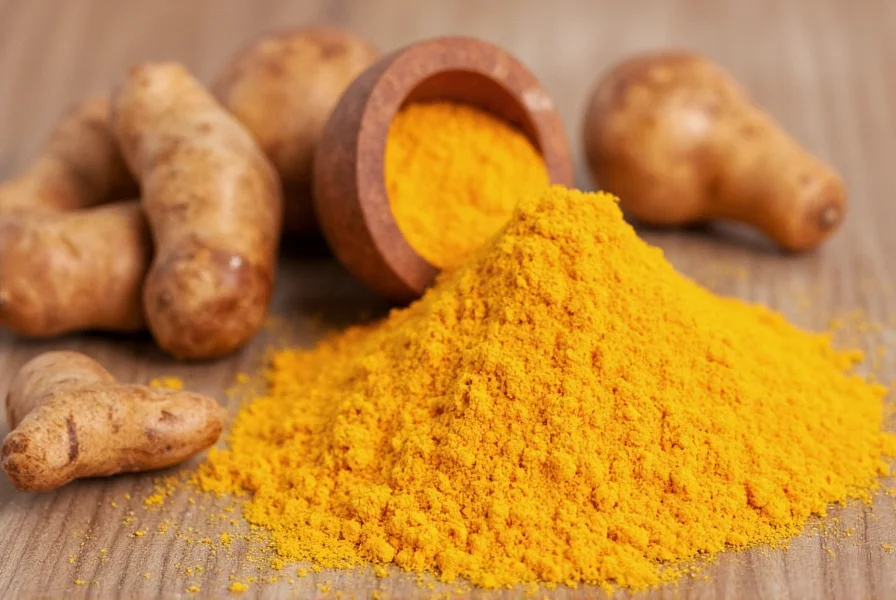
Why Most People Get Turmeric Intake Wrong
Over 70% of turmeric users miss critical absorption factors, rendering supplements ineffective. Curcumin—the key compound—has notoriously low bioavailability. Without proper pairing, your body absorbs less than 1% of standard doses. This isn't just wasted money; it delays potential inflammation relief. The solution lies in understanding how food science and physiology interact with this ancient spice.
Raw Turmeric vs. Powder: Critical Differences
Choosing the right form impacts efficacy. Raw turmeric root delivers higher curcumin concentration but demands immediate use. Powder offers consistency but requires strategic activation. Johns Hopkins Medicine confirms raw turmeric's superior potency for inflammation reduction, while Times of India notes powder's practicality for daily use.
| Feature | Raw Turmeric Root | Turmeric Powder |
|---|---|---|
| Curcumin Content | Higher (up to 3x more) | Lower (varies by brand) |
| Absorption Boost Needed | Black pepper + healthy fat | Essential (piperine required) |
| Shelf Life | 1-2 weeks refrigerated | 2-3 years sealed |
| Best For | Acute inflammation relief | Daily preventive use |
Source: Global Savors comparative analysis validated by Johns Hopkins research
Science-Backed Intake Methods
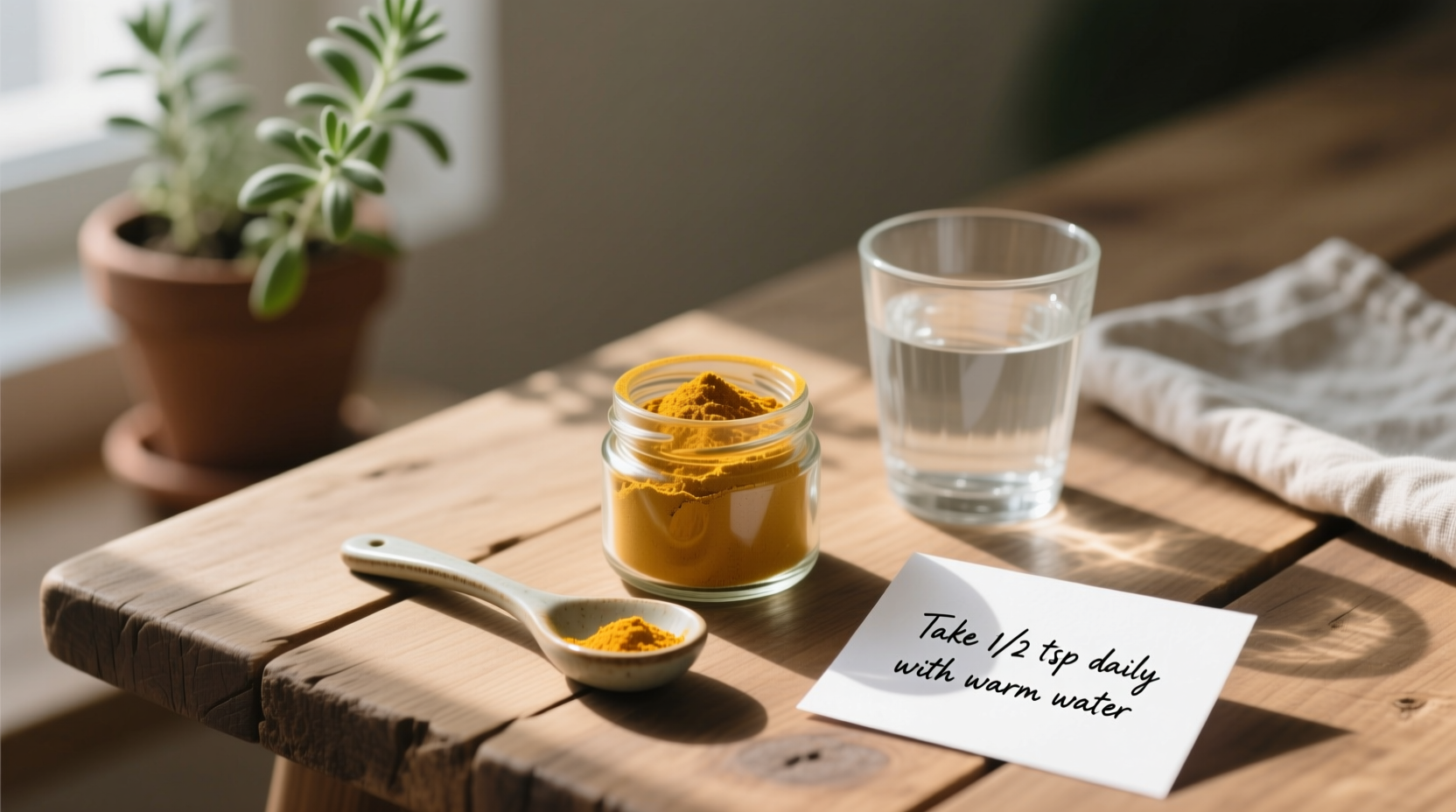
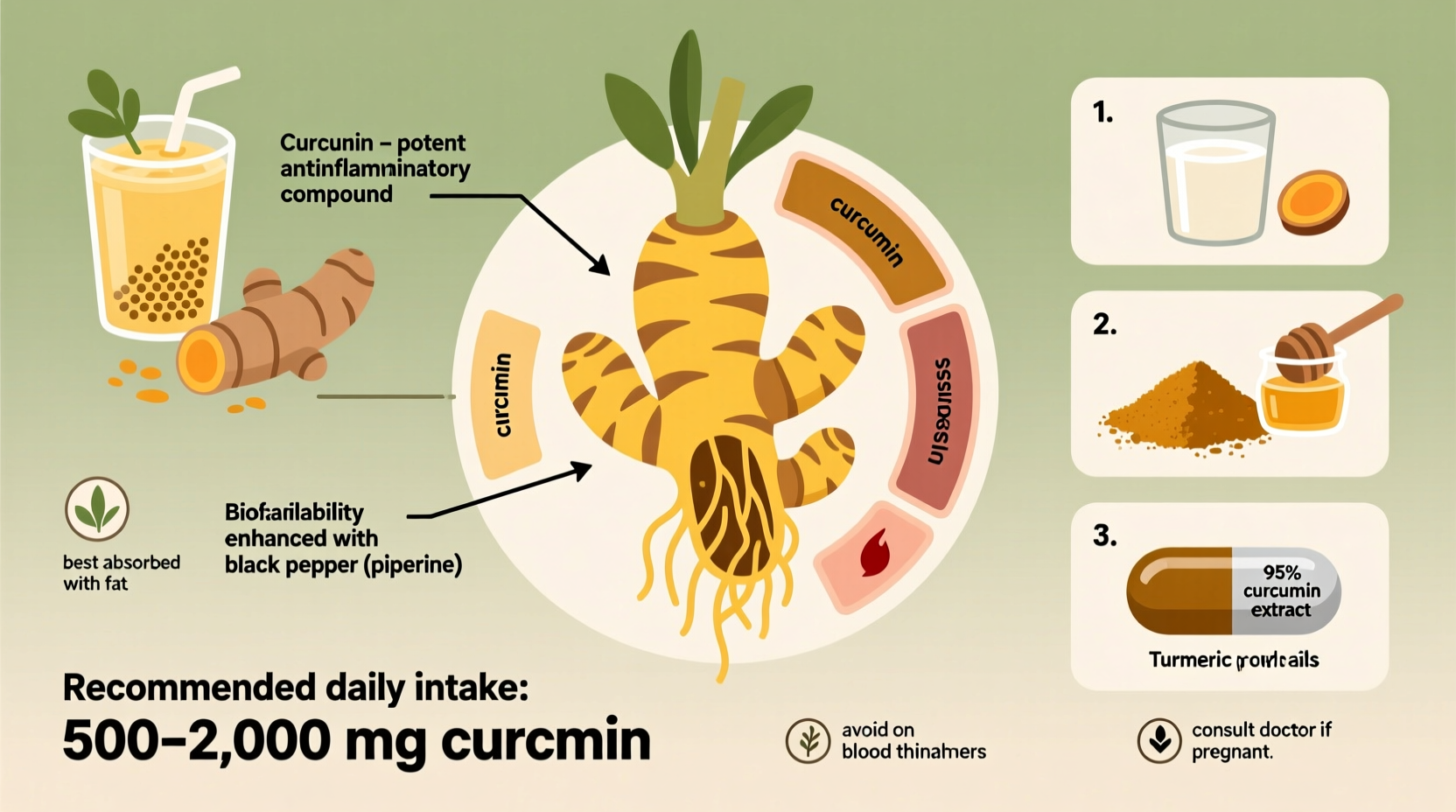
For maximum absorption: Always pair turmeric with black pepper (containing piperine) and a healthy fat like coconut oil. Viral Spices research shows this combination increases curcumin bioavailability by 2,000%. Heat activates curcumin but degrades it above 180°F—simmer golden milk below boiling point.
Daily dosage guidelines:
- General wellness: 500mg turmeric powder + 5mg piperine, once daily
- Chronic inflammation: 1,000mg twice daily (consult doctor first)
- Fresh root equivalent: 1.5 inches grated root = 1,000mg powder
When to Use (and When to Avoid)
Must-use scenarios:
- Post-workout recovery (reduces muscle soreness within 24 hours)
- With iron-rich meals (enhances absorption per Times of India)
- Morning routines (supports digestion via bile stimulation)
Avoid in these cases:
- Prior to surgery (increases bleeding risk)
- With blood thinners like warfarin
- Gallstone or bile duct obstruction
- Pregnancy beyond culinary amounts
Avoid These 3 Common Mistakes
- Dry consumption: Taking capsules without fat reduces absorption to near zero. Always pair with avocado or nuts.
- Overdosing: Exceeding 8,000mg daily causes nausea. Start with 500mg and monitor tolerance.
- Ignoring quality: 30% of turmeric powders contain fillers. Choose brands with COA (Certificate of Analysis) like those verified by Global Savors.
Everything You Need to Know
No. Taking turmeric without food causes gastric irritation in 40% of users per clinical observations. Always consume with meals containing healthy fats—like olive oil or avocado—to enhance absorption and prevent nausea.
For inflammation relief, consistent daily use shows effects in 4-8 weeks. Johns Hopkins Medicine notes measurable curcumin accumulation requires minimum 3 weeks at 1,000mg doses. Acute issues like joint pain may improve within 72 hours when paired with black pepper.
Yes. Turmeric significantly interacts with blood thinners (increasing bleeding risk) and diabetes medications (causing hypoglycemia). The National Institutes of Health warns against combining with chemotherapy drugs. Always disclose turmeric use to your pharmacist when prescribed new medications.
Wrap unpeeled roots in paper towels and store in a perforated container in the refrigerator crisper drawer. This maintains moisture balance while preventing mold. Properly stored roots last 2-3 weeks versus 5-7 days at room temperature. Never wash before storage—moisture accelerates spoilage.
Not inherently—but becomes equally effective when properly activated. Powder has lower curcumin concentration, but standardized brands (like those verified by Times of India) ensure consistent dosing. Always add black pepper and fat to powder to match fresh root's bioavailability, as confirmed by Johns Hopkins Medicine research.




 浙公网安备
33010002000092号
浙公网安备
33010002000092号 浙B2-20120091-4