
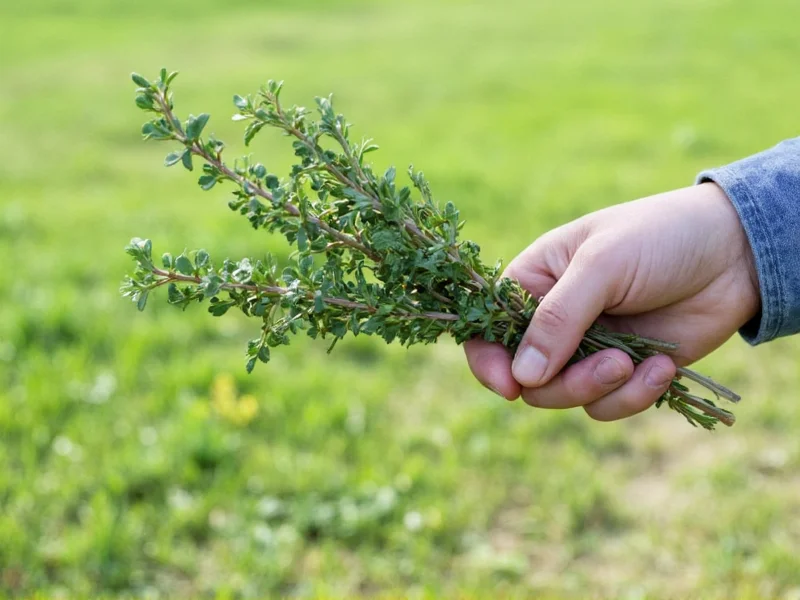
Preserving fresh thyme properly extends its shelf life while maintaining flavor and aroma. Whether you've harvested from your garden or bought a surplus at the market, these science-backed methods ensure you'll enjoy thyme's distinctive taste long after purchase. Understanding how to save fresh thyme prevents waste and keeps this versatile herb available for cooking year-round.
Refrigeration Methods for Short-Term Storage
Refrigeration works best for keeping thyme fresh for immediate cooking needs. The key is managing moisture levels—too much causes mold, too little leads to drying. For optimal results when learning how to store fresh thyme in refrigerator settings:
- Trim thyme stems and remove any wilted or discolored leaves
- Gently wrap in slightly damp paper towels (not dripping wet)
- Place in a partially open plastic bag or airtight container
- Store vertically in the refrigerator's crisper drawer
This method maintains thyme's essential oils while preventing excess moisture buildup. Check every 2-3 days and replace paper towels if they become too wet. Properly stored thyme stays vibrant for 10-14 days. Avoid washing thyme before storage as residual water accelerates spoilage—a common mistake when trying to save fresh thyme.
Freezing Techniques for Long-Term Preservation
Freezing preserves thyme's flavor compounds better than drying. For gardeners wondering how to preserve thyme for winter, these freezing methods deliver excellent results:
Oil or Water Cubes Method
Chop thyme leaves and portion into ice cube tray sections. Cover with olive oil or water, then freeze. Once solid, transfer cubes to labeled freezer bags. This technique works perfectly for how to freeze thyme for cooking, as you can drop cubes directly into soups, stews, or sauces. Oil-infused cubes maintain flavor for 8-12 months.
Whole Stem Freezing
Place unwashed thyme sprigs in freezer bags, removing as much air as possible. Freeze flat, then break off needed portions. While this preserves appearance better, flavor retention is slightly less than the oil cube method. Ideal for how to save fresh thyme when you need whole sprigs for roasting meats.
Drying Methods for Shelf-Stable Preservation
Drying thyme concentrates its flavor, making it ideal for seasoning blends. The best approach for preserving thyme long-term depends on your equipment and timeline:
Air Drying Technique
Bundle 5-6 thyme sprigs together and hang upside down in a dark, well-ventilated area with moderate humidity (40-60%). Complete drying takes 1-2 weeks. Once brittle, strip leaves from stems and store in airtight containers. This traditional method for how to dry fresh thyme preserves most volatile oils when done correctly.
Oven Drying Shortcut
Spread thyme in a single layer on a baking sheet. Set oven to lowest temperature (150-170°F) with door slightly ajar. Check every 30 minutes until leaves crumble easily (1-3 hours). Oven drying risks flavor loss if temperature exceeds 180°F—a critical detail many overlook when learning how to save fresh thyme through drying.
| Preservation Method | Shelf Life | Flavor Retention | Best For |
|---|---|---|---|
| Refrigeration (damp paper towel) | 10-14 days | Excellent | Immediate cooking needs |
| Freezing (oil cubes) | 8-12 months | Very Good | Soups, stews, sauces |
| Freezing (whole stems) | 6-8 months | Good | Roasting, grilling |
| Air Drying | 12-18 months | Fair to Good | Seasoning blends, rubs |
Critical Mistakes to Avoid When Preserving Thyme
Even experienced cooks make these errors when attempting how to save fresh thyme:
- Washing before storage - Moisture accelerates decay. Always wash just before use.
- Sealing in airtight containers while wet - Trapped moisture causes mold. Use breathable packaging initially.
- Storing near ethylene-producing fruits - Apples and bananas release gases that speed herb deterioration.
- Using dull knives for chopping - Crushes cells and releases enzymes that degrade flavor faster.
Professional chefs recommend checking stored thyme every 3-4 days and removing any compromised sprigs immediately. This simple habit when learning how to preserve thyme for winter significantly extends the usable life of your entire batch.
Reviving Slightly Wilted Thyme
Don't discard thyme that's beginning to wilt. Submerge stems in ice water for 15-20 minutes—this often restores crispness through capillary action. For how to save fresh thyme that's nearly gone bad, this technique can buy an extra day or two of usability. After reviving, proceed with your chosen preservation method immediately.




 浙公网安备
33010002000092号
浙公网安备
33010002000092号 浙B2-20120091-4