
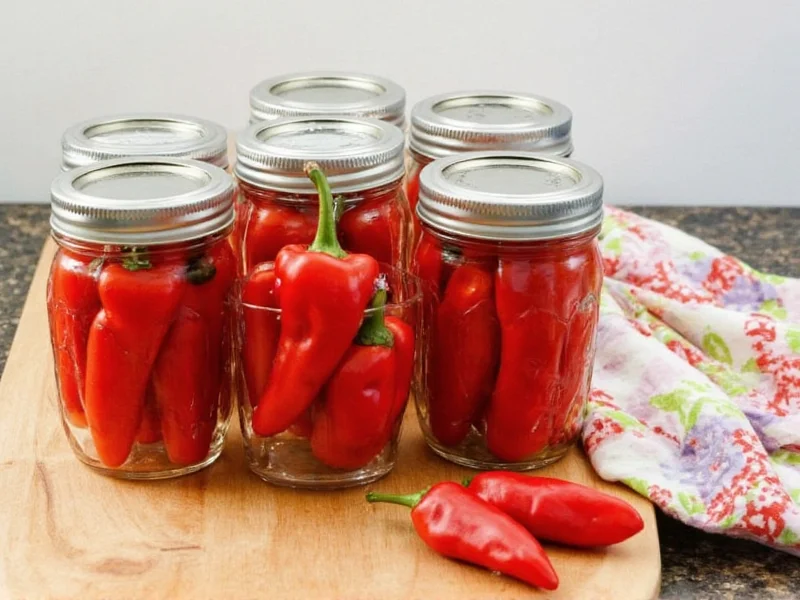
Anaheim chili peppers, known for their mild heat and versatile flavor, are a staple in Southwestern and Mexican cuisine. When your garden yields more than you can use fresh or you've scored a great deal at the farmers' market, proper preservation ensures you can enjoy these flavorful peppers year-round. Understanding the best preservation methods helps maintain their unique taste and culinary properties.
Understanding Anaheim Chili Peppers
Anaheim peppers (Capsicum annuum) typically measure 500-2,500 on the Scoville scale, making them significantly milder than jalapeños. They're harvested green for fresh use but turn red as they mature, developing a slightly sweeter flavor. Their thin walls and high moisture content make preservation techniques particularly important for extending their shelf life while maintaining quality.
| Time Period | Preservation Methods | Key Developments |
|---|---|---|
| Late 1800s | Sun drying, ristras | Traditional air-drying in arid Southwest climates; limited to seasonal harvests |
| Early 1900s | Home canning with vinegar | Enabled year-round availability; required acidification for safety |
| 1940s-1960s | Basic freezing techniques | Early mechanical freezers introduced texture challenges due to ice crystal formation |
| 1970s-Present | Flash-freezing, precision dehydration | Modern appliances maintain cellular structure for superior flavor retention |
Source: New Mexico State University Chile Pepper Institute Historical Evolution of Chile Preservation
Top Preservation Methods for Anaheim Chili Peppers
Freezing Fresh Anaheim Peppers
Freezing is the simplest preservation method that best maintains the fresh flavor and texture of Anaheim chilies. Unlike many other peppers, Anaheim peppers freeze well without blanching due to their thin walls. The flash-freezing technique prevents large ice crystals from forming, which preserves cellular structure and minimizes texture degradation during thawing.
- Wash and thoroughly dry peppers
- Remove stems and seeds (optional - seeds contain most heat)
- Leave whole, slice into rings, or dice based on intended use
- Spread in a single layer on a baking sheet
- Flash freeze for 1-2 hours until solid
- Transfer to airtight freezer bags or containers, removing excess air
- Label with date and use within 6-12 months for best quality
This method works particularly well for cooking applications as frozen peppers can be added directly to soups, stews, and sauces without thawing.
Roasting and Freezing for Enhanced Flavor
Roasting before freezing develops a deeper, smokier flavor that many prefer for traditional dishes. The Maillard reaction during charring creates complex flavor compounds not present in raw peppers.
- Char peppers over gas flame, under broiler, or on grill (turning frequently)
- Place charred peppers in a covered bowl for 10-15 minutes to steam
- Peel off blackened skin (some may remain - this is fine)
- Remove stems and seeds
- Pat dry with paper towels
- Freeze using the flash-freezing method described above
Roasted frozen Anaheim peppers work beautifully in green chile stew and other traditional recipes where that distinctive roasted flavor is essential.
Drying Anaheim Peppers
Drying creates versatile chile products that last for years when stored properly. You have several drying options:
| Drying Method | Time Required | Best For |
|---|---|---|
| Dehydrator | 8-12 hours at 135°F (57°C) | Consistent results, best flavor retention |
| Oven | 6-10 hours at lowest setting (150-170°F/65-77°C) | When dehydrator unavailable |
| Air Drying | 2-3 weeks in warm, dry location | Traditional method, requires low humidity |
For drying Anaheim peppers at home, prepare peppers by washing, drying, and slicing lengthwise. Remove seeds for milder flavor. Check periodically until peppers are brittle and snap when bent. Store dried peppers in airtight containers away from light.
Creating Chile Powder
Dried Anaheim peppers make excellent mild chile powder:
- Completely dry peppers using one of the methods above
- Remove stems and seeds (optional)
- Grind in a dedicated spice grinder or blender until fine
- Sift to remove large pieces, regrind if necessary
- Store in airtight glass container away from light and heat
This making Anaheim chile powder at home technique produces a versatile seasoning perfect for rubs, soups, and sauces. Properly stored, it maintains flavor for 1-2 years.
Canning and Pickling Methods
For safe preservation of Anaheim chili peppers, pressure canning is required for plain peppers due to their low acidity. Water bath canning is only safe when adding sufficient acid (minimum 5% acidity vinegar) as in pickling.
Basic Pickling Recipe:
- Prepare 1 pound peppers by washing and slicing
- Create brine: 1 cup vinegar (5% acidity), 1 cup water, 1 tbsp salt, spices to taste
- Bring brine to boil, add peppers, simmer 5 minutes
- Pack hot peppers into sterilized jars, cover with hot brine
- Process in boiling water bath for 10 minutes
Pickled Anaheim peppers add tangy flavor to sandwiches, salads, and Mexican dishes. They'll keep for 12-18 months unopened.
Method Selection Guide: Context and Limitations
Choosing the optimal preservation method depends on specific usage scenarios and environmental conditions. Each technique has defined boundaries where it excels or fails:
| Method | Ideal Applications | Critical Limitations |
|---|---|---|
| Raw Freezing | Immediate use in cooked dishes (soups, stews, sauces) | Fails in raw applications (texture degradation); requires consistent 0°F storage |
| Roasted Freezing | Traditional green chile recipes requiring smoky notes | Irreversibly alters fresh flavor profile; not suitable for raw dishes |
| Drying | Long-term storage (>1 year), powder production | Humidity >60% causes spoilage; requires rehydration for most uses |
| Pickling | Condiments, sandwiches, acidic dish components | Vinegar overpowers native pepper flavor; unsuitable for traditional stews |
Source: National Center for Home Food Preservation Freezing Guidelines and Drying Standards for low-acid vegetables
Optimal Storage Guidelines
Regardless of preservation method, proper storage maximizes shelf life:
- Refrigeration: Store fresh peppers in paper bags (not plastic) in the crisper drawer for up to 2 weeks
- Freezing: Use heavy-duty freezer bags with air removed; store at 0°F (-18°C) or below
- Dried peppers: Store in airtight glass containers in a cool, dark place
- Canned goods: Store in a cool, dark place; use within 1-2 years for best quality
Troubleshooting Common Preservation Issues
Freezer burn: Caused by air exposure - ensure proper packaging with minimal air. A vacuum sealer provides the best protection for long term storage for Anaheim peppers.
Mold in dried peppers: Indicates moisture during storage. Discard affected peppers and ensure complete dryness before storage. Humidity levels above 60% significantly increase mold risk according to USDA storage guidelines.
Loss of flavor: Properly frozen Anaheim peppers maintain flavor for 6-12 months. Beyond this, flavor gradually diminishes though still safe to eat.
Using Preserved Anaheim Peppers
Each preservation method affects how you'll use the peppers:
- Frozen peppers: Add directly to cooked dishes; don't use raw in salads as texture changes
- Dried peppers: Rehydrate in hot water for 20 minutes before use, or grind into powder
- Pickled peppers: Use as condiments or in dishes where tangy flavor complements other ingredients
For traditional New Mexican green chile recipes, roasted and frozen Anaheim peppers provide the closest flavor profile to fresh roasted Hatch or Anaheim chilies.




 浙公网安备
33010002000092号
浙公网安备
33010002000092号 浙B2-20120091-4