
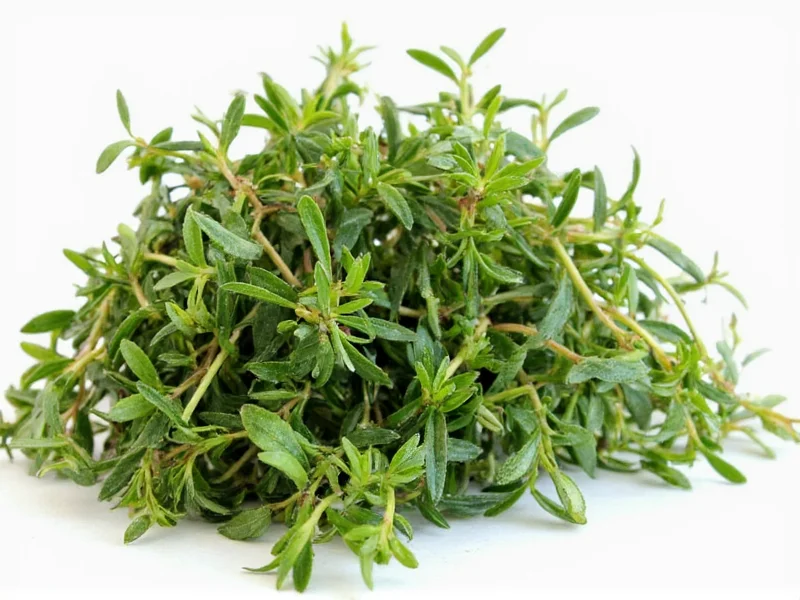
Proper thyme preparation enhances both flavor and presentation in your dishes. Many home cooks struggle with efficiently removing the tiny leaves from woody stems, leading to wasted herbs or inconsistent texture in recipes. Understanding the correct technique ensures you maximize the aromatic oils while minimizing waste.
Selecting Fresh Thyme
Choose vibrant green sprigs with firm stems and no signs of wilting or yellowing. The leaves should feel slightly springy when gently squeezed. Avoid bunches with dark spots or excessive leaf drop, which indicate age. Fresh thyme should have a pronounced herbal fragrance when lightly rubbed between your fingers.
Washing Thyme Properly
Place thyme sprigs in a bowl of cool water and swish gently to dislodge dirt. For heavily soiled thyme, add a teaspoon of vinegar to the water as recommended by food safety experts to remove surface contaminants without damaging delicate leaves. Never soak thyme for extended periods as this damages delicate leaves. After washing, use a salad spinner or gently shake excess water before patting dry with a clean kitchen towel.
| Preparation Step | Time Required | Key Benefit |
|---|---|---|
| Rinsing | 30 seconds | Removes surface dirt and debris |
| Drying | 2-3 minutes | Prevents dilution of flavors during cooking |
| Stripping leaves | 1-2 minutes | Maximizes usable herb quantity |
| Chopping | 30-60 seconds | Releases essential oils for better flavor distribution |
Effective Leaf Removal Techniques
The most efficient method for removing thyme leaves involves holding the top 1-2 inches of the stem between your thumb and forefinger while running your other hand's fingers downward along the stem. The leaves should detach easily. For tougher stems, use the back of a knife to gently scrape leaves off. Never pull leaves upward as this damages the delicate foliage.
When preparing large quantities, place the stripped leaves directly into a bowl to catch any falling pieces. This technique for stripping thyme leaves from stems minimizes waste and preserves the herb's essential oils better than cutting whole sprigs.
Chopping Fresh Thyme
Gather the stripped leaves into a small mound on your cutting board. Use a sharp chef's knife with a rocking motion to finely mince the leaves. Avoid over-chopping, which can bruise the herb and create a bitter flavor. For recipes requiring whole leaves, simply leave them intact after stripping from the stems.
Storage Methods for Prepared Thyme
Store freshly prepared thyme in an airtight container lined with a slightly damp paper towel in the refrigerator for up to 5 days. For longer storage, freeze chopped thyme in olive oil cubes or dry the leaves completely before storing in airtight containers. Never store prepared thyme in water as this accelerates spoilage.
| Storage Method | Optimal Duration | Flavor Preservation | Best Use Cases |
|---|---|---|---|
| Refrigeration (fresh) | 5 days | 95-100% | Salads, garnishes, immediate cooking |
| Freezing in oil | 4-6 months | 85-90% | Soups, stews, sauces |
| Drying | 12 months | 70-80% | Spice blends, long-term storage |
Evidence-based storage guidelines from agricultural extensions: University of California ANR confirms 5-day refrigeration limits, while University of Minnesota Extension documents freezing efficacy and drying best practices for herb preservation.
Common Preparation Mistakes
Many cooks make these errors when learning how to clean fresh thyme properly:
- Washing thyme too far in advance, causing premature wilting
- Using dull knives that crush rather than cut the leaves
- Removing leaves by pulling upward on the stem
- Over-chopping, which releases bitter compounds
- Not drying thoroughly before storage, leading to mold
Using Prepared Thyme in Cooking
Add chopped thyme early in the cooking process for soups and stews to allow flavors to meld. For roasted vegetables or meats, mix prepared thyme with olive oil and garlic before application. When using thyme in delicate dishes like fish or eggs, add it near the end of cooking to preserve its bright flavor. Remember that dried thyme requires different measurement ratios—use one-third the amount of dried thyme when substituting for fresh.
Scenario Applicability & Limitations
Thyme preparation techniques have critical context boundaries affecting culinary outcomes:
- Whole sprigs work best in long-simmering applications (30+ minutes) like braises or stocks where stems soften and can be easily removed. Limitation: Unsuitable for quick sautés (<5 minutes) as woody stems remain tough and inedible.
- Stripped leaves excel in dishes requiring uniform distribution like rubs, dressings, or finished sauces. Limitation: Not recommended for infusion-only applications (e.g., poaching liquids) as loose leaves become difficult to remove and may over-extract bitter compounds.
- Chopped thyme is ideal for immediate incorporation into dishes but loses potency rapidly. Limitation: Should never be stored long-term as cell damage accelerates oxidation—use within 24 hours for optimal flavor.
Frequently Asked Questions
Can I use the woody stems of thyme in cooking?
While the small, tender top portions of thyme stems can be used in cooking, the thicker woody stems become unpleasantly tough when cooked. For best results, strip the leaves from mature stems and use only the flexible top portions if including stems in your dish. The proper technique for chopping thyme ensures you maximize usable herb while discarding inedible parts.
How much chopped thyme equals one sprig?
One standard thyme sprig (about 4 inches long) yields approximately 1/2 to 1 teaspoon of chopped leaves. When following recipes that specify sprigs, this conversion helps when you've already prepared your thyme. Keep in mind that leaf density varies by thyme variety and growing conditions.
Should I remove thyme leaves before or after cooking?
For most applications, remove thyme leaves before cooking. Whole stems work well for infusing flavors in soups and stews but should be removed before serving. For dishes where appearance matters, like roasted meats or vegetable garnishes, prepare the thyme leaves beforehand. Understanding how to prepare thyme for roasting ensures even flavor distribution without unpleasant woody bits in the final dish.
What's the best way to dry thyme for storage?
Air drying preserves thyme's flavor best. Bundle 5-6 sprigs together and hang them upside down in a warm, dark, well-ventilated area for 1-2 weeks. Once completely dry and crumbly, strip the leaves and store in an airtight container away from light. Avoid oven drying as high heat destroys delicate essential oils. Properly dried thyme retains much of its flavor for up to a year.
Why does my prepared thyme turn bitter?
Bitterness in prepared thyme usually results from over-handling or excessive chopping, which releases bitter compounds from the leaves. Using a dull knife that crushes rather than cuts the herb also contributes to bitterness. For optimal flavor, handle thyme minimally, use a sharp knife, and add it to dishes at the appropriate cooking stage. The best way to strip thyme leaves from stems without damaging them preserves the herb's natural flavor profile.




 浙公网安备
33010002000092号
浙公网安备
33010002000092号 浙B2-20120091-4