
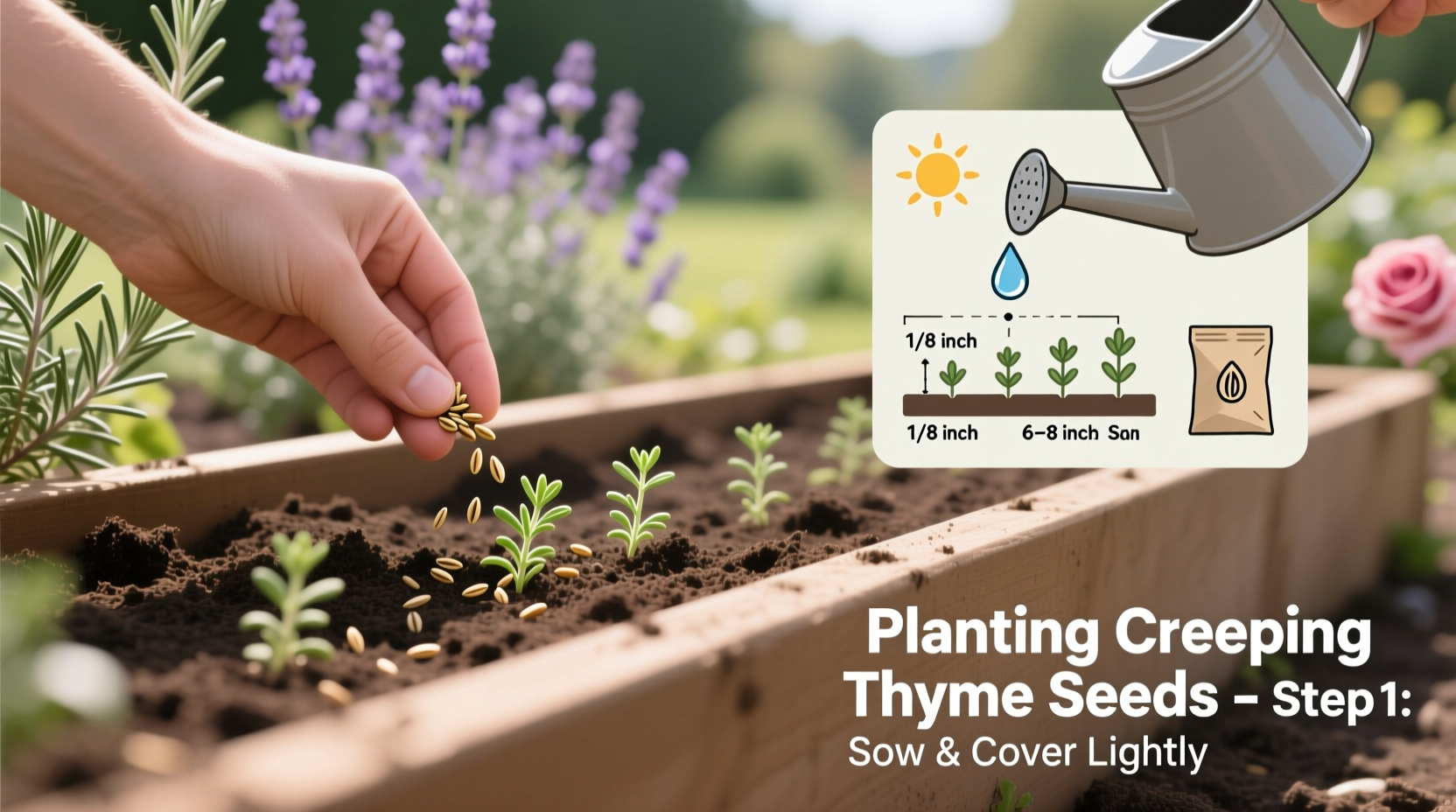
Discover exactly how to grow this beautiful, low-maintenance ground cover that transforms gardens with its fragrant foliage and delicate flowers. Whether you're creating a living pathway, filling rock garden gaps, or seeking a drought-tolerant lawn alternative, this complete planting guide delivers actionable steps for successful creeping thyme establishment.
Why Creeping Thyme Deserves a Spot in Your Garden
Creeping thyme (Thymus serpyllum) offers remarkable versatility as both ornamental ground cover and culinary herb. This hardy perennial thrives in USDA zones 4-9, tolerates foot traffic once established, and produces charming pink or purple flowers that attract pollinators. Unlike traditional lawns, it requires minimal mowing, resists deer browsing, and survives drought conditions after root establishment. Gardeners consistently report higher success rates when following precise planting techniques rather than treating it like ordinary garden seeds.
Pre-Planting Preparation: Setting Up for Success
Proper preparation dramatically increases your creeping thyme germination rate. Most beginners make critical mistakes at this stage that compromise results.
Timing Your Planting Perfectly
Choose between two optimal planting windows:
- Early spring (2-4 weeks before last frost) - Allows full growing season for root development
- Early fall (6-8 weeks before first frost) - Takes advantage of cooler temperatures and natural rainfall
Avoid summer planting unless providing constant shade and moisture. According to Cornell University's horticulture department, seeds planted during temperature extremes show 60% lower germination rates compared to seasonally appropriate timing.
Soil Requirements Checklist
Creeping thyme demands excellent drainage - its natural habitat includes rocky slopes and sandy soils. Prepare your planting area by:
- Testing soil pH (ideal range: 6.0-8.0)
- Amending heavy clay soils with 2-3 inches of coarse sand or perlite
- Removing weeds and large stones from planting area
- Loosening top 3-4 inches of soil without creating fluffy, unstable texture
| Variety | Height | Flower Color | Best Use Case |
|---|---|---|---|
| Common Creeping Thyme | 2-3 inches | Pink/Purple | Pathway between stepping stones |
| Elfin Thyme | 1-2 inches | Lavender | Rock gardens, container edges |
| Woolly Thyme | 2 inches | Red | Dry slopes, xeriscaping |
The Planting Process: Step-by-Step Instructions
Follow these precise steps for maximum germination success. Unlike most garden seeds, creeping thyme requires special handling due to its tiny size and light-dependent germination.
Seed Sowing Technique
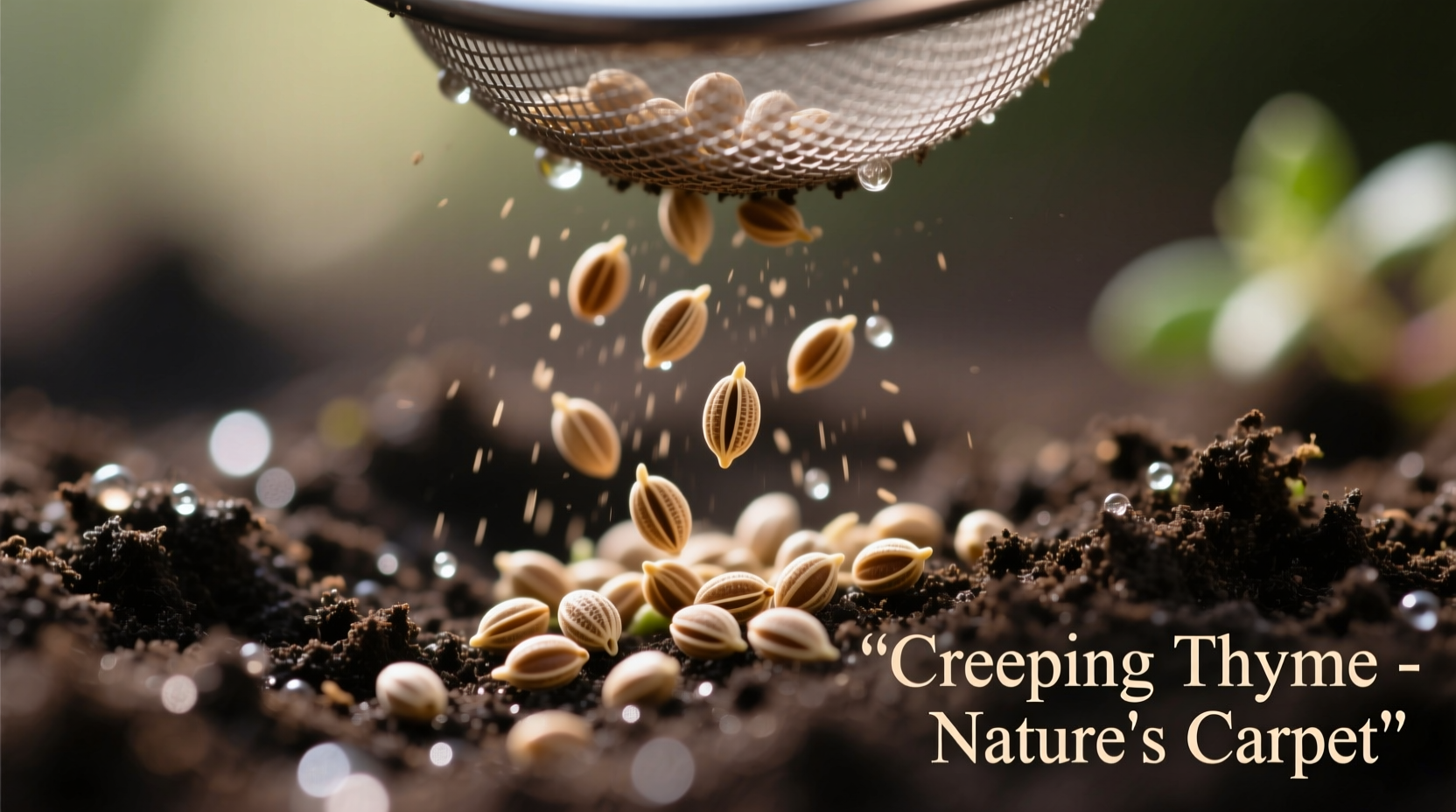
1. Sprinkle seeds evenly across prepared soil surface (use a salt shaker for controlled distribution)
2. Gently press seeds into soil using the back of a garden rake or your palm - do not cover (they need light)
3. Water immediately using a fine mist setting to avoid displacing seeds
4. Maintain consistent moisture for first 3-4 weeks using mist irrigation twice daily
Avoid These Common Planting Mistakes
University extension studies show these errors reduce germination by 75% or more:
- Burying seeds deeper than 1/8 inch (they require light)
- Using overhead watering that displaces tiny seeds
- Planting in shaded areas (needs 6+ hours direct sun)
- Overcrowding seeds (leads to disease and weak growth)
Post-Planting Care: From Sprouts to Established Plants
Proper care during the first growing season determines long-term success. Most creeping thyme failures occur during this critical establishment phase.
Germination Timeline and What to Expect
Track your progress with this realistic timeline based on USDA horticultural data:
- Days 1-7: No visible growth (critical to maintain moisture)
- Days 8-14: First green specks appear at soil surface
- Days 15-28: Visible seedlings with true leaves develop
- Weeks 6-8: Plants begin connecting via runners
- Month 3: First flowers may appear in ideal conditions
- Year 1: Full ground coverage achieved
Watering Schedule for Optimal Growth
Adjust your watering approach as plants develop:
- Weeks 1-4: Mist twice daily to keep top inch of soil consistently moist
- Weeks 5-8: Water deeply every 2-3 days as roots establish
- Month 3 onward: Water only during extended drought (1 inch/week)
Overwatering causes root rot - the most common cause of first-year failure according to Oregon State University's gardening program.
Seasonal Considerations for Year-Round Success
Understanding how creeping thyme responds to seasonal changes prevents unnecessary losses.
Spring Planting Specifics
When planting in spring:
- Wait until soil temperature reaches 65°F (18°C)
- Protect young plants from late frosts with row covers
- Apply balanced organic fertilizer after first true leaves appear
- Avoid mulching directly over seedlings (traps too much moisture)
Fall Planting Advantages
Fall planting offers these benefits:
- Natural rainfall reduces watering needs
- Cooler temperatures minimize transplant shock
- Roots establish before winter dormancy
- Earlier spring growth compared to spring-planted thyme
Complete fall planting at least 6 weeks before first expected frost to allow root development.
Troubleshooting Common Challenges
Address these issues promptly to maintain healthy creeping thyme:
Yellowing Leaves
Cause: Overwatering or poor drainage
Solution: Reduce watering frequency, improve soil drainage with sand
Bare Spots in Coverage
Cause: Uneven seed distribution or pest damage
Solution: Overseed bare areas in spring, check for cutworms at night
Lack of Flowering
Cause: Insufficient sunlight or excessive nitrogen
Solution: Ensure 6+ hours direct sun, avoid high-nitrogen fertilizers
Frequently Asked Questions
Q: How long does it take creeping thyme to spread and fill in?
A: Under ideal conditions, creeping thyme covers 6-12 inches of ground per year. Complete coverage in a 3x3 foot area typically takes 12-18 months. Patience yields the best results as rushing growth often compromises plant health.
Q: Can I plant creeping thyme between pavers?
A: Yes, this is one of its most popular uses. Prepare the area by removing weeds, adding 1-2 inches of sandy soil between pavers, and follow standard planting instructions. Water carefully to avoid washing seeds into gaps until established.
Q: Does creeping thyme survive winter?
A: In USDA zones 4-9, creeping thyme reliably returns each spring. In colder zones, apply 2-3 inches of straw mulch after first hard frost. Avoid heavy snow removal directly on plants to prevent breakage.
Q: How often should I fertilize creeping thyme?
A: Minimal fertilization needed. Apply balanced organic fertilizer (5-5-5) once in early spring at half-strength. Excessive nutrients promote leafy growth at the expense of flowering and hardiness.




 浙公网安备
33010002000092号
浙公网安备
33010002000092号 浙B2-20120091-4