
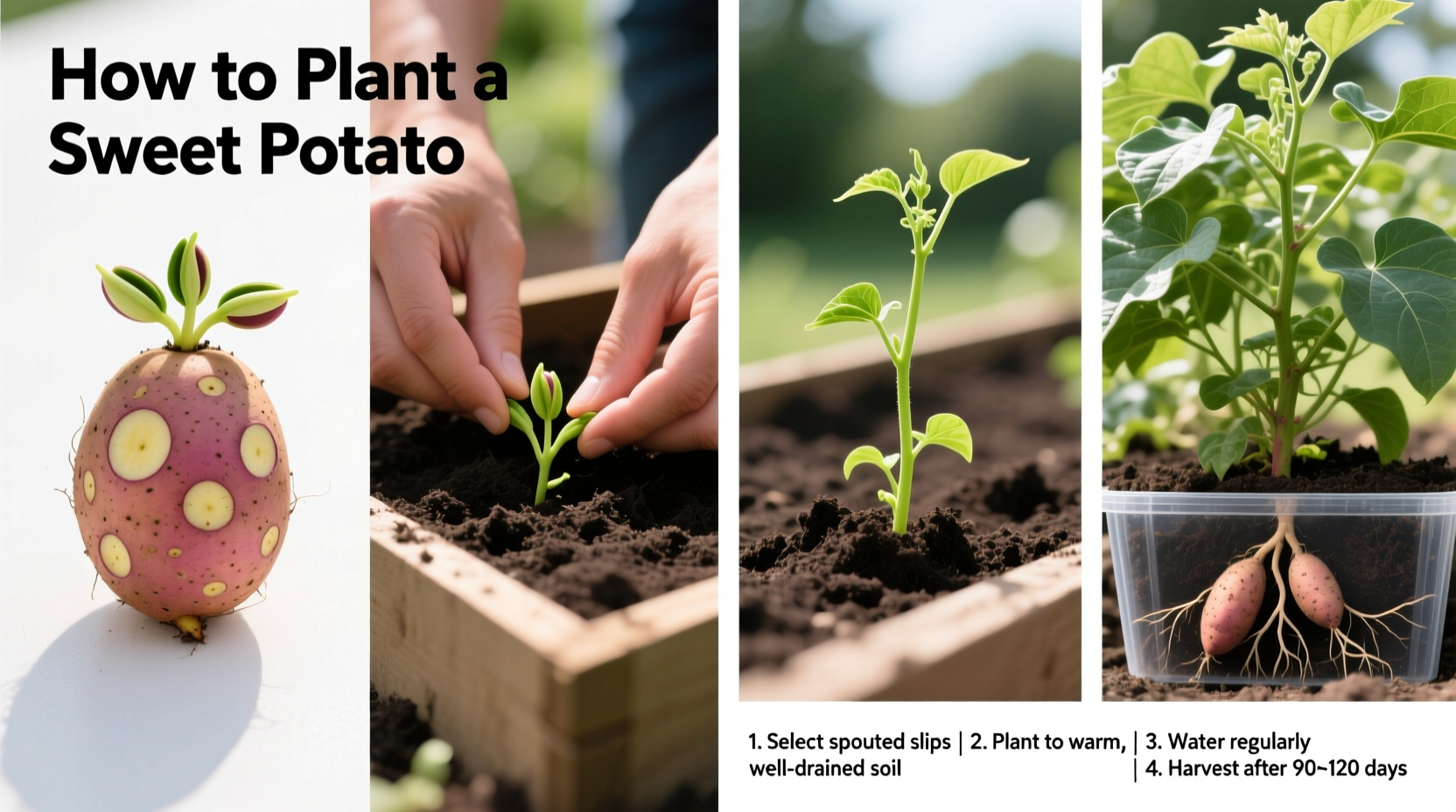
Discover exactly how to grow sweet potatoes successfully in your garden with this comprehensive guide. Whether you're a first-time gardener or looking to improve your harvest, you'll learn proven techniques that yield abundant, flavorful sweet potatoes while avoiding common mistakes that plague beginners.
Why Grow Sweet Potatoes?
Sweet potatoes rank among the most nutritious and versatile garden crops you can grow. Packed with vitamins A and C, fiber, and complex carbohydrates, they provide exceptional nutritional value. Unlike regular potatoes, sweet potatoes thrive in warm climates and actually prefer slightly acidic, sandy soil that would challenge many other garden vegetables.
As someone who's documented traditional agricultural practices across Latin America, I've seen firsthand how indigenous communities have cultivated sweet potatoes for thousands of years. Their time-tested methods reveal why this crop deserves a place in every home garden.
Understanding Sweet Potato Varieties
Choosing the right variety makes all the difference in your harvest. Different types perform better in specific climates and soil conditions. The table below shows the most reliable varieties for home gardeners:
| Variety | Days to Maturity | Best Climate | Notable Characteristics |
|---|---|---|---|
| Covington | 90-100 | Warm climates | Orange flesh, disease resistant, excellent storage |
| Garnet | 95-105 | Hot summers | Deep orange, moist texture, rich flavor |
| Beauregard | 90-100 | All regions | High yield, uniform shape, good for containers |
| O'Henry | 100-110 | Cooler regions | Cream flesh, drier texture, excellent for baking |
According to North Carolina State University's sweet potato research program, Covington and Beauregard consistently produce the highest yields for home gardeners across diverse growing conditions (sweetpotatopropagation.ces.ncsu.edu).
Preparing for Planting: The Critical First Steps
Successful sweet potato cultivation begins weeks before you put anything in the ground. Unlike regular potatoes that grow from seed pieces, sweet potatoes require slips—small rooted sprouts grown from mature tubers.
Creating Healthy Slips
You can start slips 4-6 weeks before your last expected frost date:
- Choose organic sweet potatoes (non-organic may be treated to prevent sprouting)
- Place tubers in a jar of water with half submerged, using toothpicks to hold in place
- Position in a warm, sunny spot (75-80°F ideal)
- Change water every 3-4 days
- After 4-6 weeks, when slips are 6-9 inches tall with roots, twist them off gently
Alternatively, you can lay tubers on moist sand or potting mix in a warm location. Cover with 1 inch of medium and keep consistently moist. This method typically produces more slips per tuber.
Soil Preparation Essentials
Sweet potatoes need well-drained, loose soil to develop properly shaped tubers. Heavy clay soils cause misshapen roots. Amend your soil with compost or well-rotted manure 2-3 weeks before planting:
- Ideal soil pH: 5.8-6.2 (slightly acidic)
- Add 2-3 inches of organic matter to planting area
- Avoid fresh manure which can cause forked roots
- Create raised beds 8-10 inches high for better drainage
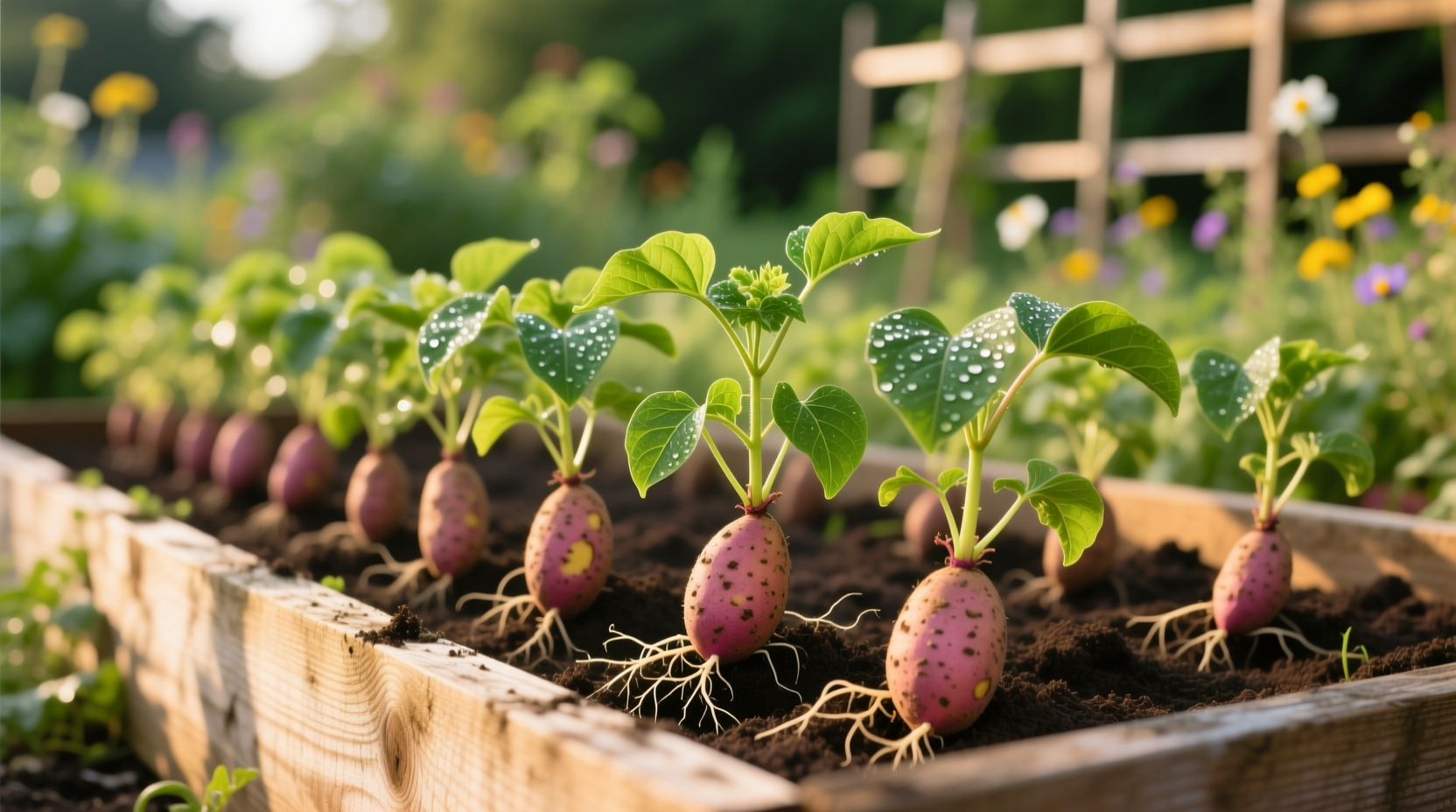
Planting Your Sweet Potatoes
The timing and technique of planting significantly impact your final harvest. Follow these steps for optimal results:
When to Plant Sweet Potatoes
Plant sweet potato slips when both soil and air temperatures have warmed sufficiently:
- Soil temperature must be at least 65°F (18°C) at 4-inch depth
- Air temperatures consistently above 70°F (21°C)
- At least 90-120 frost-free days remaining in growing season
- Plant 3-4 weeks after your last expected frost date
Planting too early in cold soil causes stunted growth and increases disease risk. The USDA Agricultural Research Service confirms that sweet potatoes grow best when soil temperatures reach 70-80°F (21-27°C) (ars.usda.gov/oc/ho/sweetpotato).
Proper Planting Technique
Follow these steps for successful planting:
- Dig holes 3-4 inches deep, spacing plants 12-18 inches apart in rows
- Space rows 36-48 inches apart for adequate vine room
- Place each slip vertically with roots down and leaves above soil
- Cover roots completely but leave top leaves exposed
- Water thoroughly after planting
- Apply 2-3 inches of mulch to retain moisture and suppress weeds
For container growing, choose pots at least 14 inches deep with excellent drainage. Use a mix of 60% potting soil and 40% perlite. Plant one slip per 14-inch container.
Essential Care Throughout the Growing Season
Sweet potatoes require consistent care to produce maximum yields. Understanding their growth timeline helps you provide appropriate care at each stage:
Sweet Potato Growth Timeline
From planting to harvest, sweet potatoes follow this progression:
- Weeks 1-2: Root establishment phase - keep soil consistently moist but not soggy
- Weeks 3-6: Vine development - vines grow rapidly, minimal watering needed
- Weeks 7-10: Tuber formation begins - maintain even moisture
- Weeks 11-14: Tuber bulking phase - critical period for watering
- Weeks 15-20: Maturation phase - reduce watering before harvest
Watering Requirements
Consistent moisture is crucial, especially during tuber formation:
- First 3-4 weeks: 1 inch of water per week
- Vine growth phase: minimal supplemental water needed
- Tuber formation (weeks 7-14): 1-1.5 inches per week
- Final 3 weeks before harvest: reduce watering to prevent splitting
Overwatering causes cracked tubers, while underwatering results in small, misshapen roots. The University of California Cooperative Extension recommends using drip irrigation for consistent moisture without wetting foliage (ucanr.edu).
Fertilizing for Maximum Yield
Sweet potatoes need balanced nutrition without excessive nitrogen:
- At planting: Mix 5-10-10 fertilizer into soil (1 lb per 100 sq ft)
- 6 weeks after planting: Side-dress with potassium-rich fertilizer
- Avoid high-nitrogen fertilizers which promote vines over tubers
- Organic option: Use compost tea every 3-4 weeks
Pest and Disease Management
Common threats to sweet potatoes include:
- Sweet potato weevils: Rotate crops, remove plant debris, use row covers
- Fusarium wilt: Plant resistant varieties, avoid overwatering
- Stem rot: Ensure good drainage, avoid working in wet soil
- Leaf scald: Water at soil level, avoid overhead watering
Regularly inspect plants for pests and address issues early. Most problems can be managed organically with proper cultural practices.
Harvesting and Curing Your Sweet Potatoes
Proper harvesting and curing techniques dramatically improve flavor and storage life:
When to Harvest
Harvest sweet potatoes when:
- Foliage begins to yellow (typically 90-120 days after planting)
- Soil temperature drops below 55°F (13°C)
- At least 100 days have passed for most varieties
- Before first hard frost (temperatures below 40°F/4°C)
Use a garden fork to carefully loosen soil around plants before pulling vines. Handle tubers gently to avoid cuts and bruises that lead to rot during storage.
The Critical Curing Process
Curing transforms sweet potatoes from starchy to sweet and extends storage life:
- Clean dirt from tubers without washing
- Place in warm, humid environment (85-95°F with 85-90% humidity)
- Cure for 5-7 days in warm area, then 10-14 days at 75-80°F
- Do not cure in direct sunlight or cold temperatures
- After curing, store at 55-60°F with moderate humidity
Properly cured sweet potatoes develop complex sugars that enhance sweetness and flavor. Uncured potatoes remain starchy and don't store well.
Troubleshooting Common Sweet Potato Problems
Even experienced gardeners encounter challenges. Here's how to solve frequent issues:
- Small tubers: Too much nitrogen, overcrowding, or harvesting too early
- Cracked roots: Inconsistent watering, especially after dry periods
- Misshapen roots: Heavy soil, rocks, or compacted ground
- Pale flesh: Insufficient curing time or improper storage conditions
- Vines not producing tubers: Excessive nitrogen fertilizer
Remember that sweet potatoes naturally produce fewer but larger tubers compared to regular potatoes. Don't expect the same yield per plant.
Storing Your Harvest
Properly stored sweet potatoes can last 4-6 months:
- Store cured potatoes in a cool, dark place (55-60°F)
- Use wooden crates or cardboard boxes with ventilation
- Check monthly and remove any showing signs of decay
- Never refrigerate sweet potatoes (causes hard core when cooked)
Unlike regular potatoes, sweet potatoes actually improve in flavor after 2-3 weeks of storage as starches convert to sugars.
Conclusion
By following these time-tested techniques, you'll enjoy a successful sweet potato harvest that provides nutritious food for months. The key is understanding their unique growth requirements and providing consistent care throughout the growing season. Start with quality slips, prepare your soil properly, maintain even moisture during critical growth stages, and don't skip the essential curing process after harvest. With practice, you'll develop your own rhythm for growing these delicious, nutrient-rich tubers.
How deep should I plant sweet potato slips?
Plant sweet potato slips 3-4 inches deep, covering the roots completely while leaving the top leaves exposed above the soil surface. This depth allows proper root development while protecting young plants from drying out.
Can I grow sweet potatoes in containers?
Yes, you can successfully grow sweet potatoes in containers. Use pots at least 14 inches deep with excellent drainage. Choose compact varieties like Beauregard, use a mix of 60% potting soil and 40% perlite, and plant one slip per container. Container-grown sweet potatoes require more frequent watering than garden-planted ones.
How long does it take for sweet potatoes to grow?
Most sweet potato varieties require 90-120 frost-free days to reach maturity. The exact time depends on the variety and growing conditions. Warmer climates with longer growing seasons typically produce larger harvests. Don't harvest too early, as tubers continue developing size and sweetness throughout the growing season.
Why is curing sweet potatoes important after harvest?
Curing transforms sweet potatoes by healing minor cuts, converting starches to sugars for better flavor, and developing the characteristic sweet taste. The process creates a protective skin layer that prevents moisture loss and decay during storage. Properly cured sweet potatoes store 4-6 months and taste significantly sweeter than uncured ones.
What's the best way to prevent sweet potato weevils?
Prevent sweet potato weevils through crop rotation (don't plant in same spot for 3-4 years), removing all plant debris after harvest, using row covers early in the season, and planting resistant varieties. Inspect slips carefully before planting. If weevils appear, remove and destroy affected plants immediately to prevent spread.




 浙公网安备
33010002000092号
浙公网安备
33010002000092号 浙B2-20120091-4