
Many people search for ways to improve semen taste, hoping to enhance intimate experiences. While popular advice circulates online, the reality involves biological factors with limited dietary influence. This guide separates fact from fiction using current medical understanding.
The Science Behind Semen Composition
Semen consists of fluids from multiple glands, primarily the seminal vesicles (65-75%), prostate gland (25-30%), and bulbourethral glands. Its composition includes:
- Fructose (energy source for sperm)
- Proteins and enzymes
- Minerals like zinc and magnesium
- Buffering agents to neutralize vaginal acidity
These biological components create semen's characteristic slightly sweet, alkaline taste. Significant flavor changes would require altering fundamental biological processes, which diet alone cannot accomplish.
| Food Category | Potential Effect | Scientific Support |
|---|---|---|
| Fruits (pineapple, citrus) | May cause subtle sweetness | Limited anecdotal evidence |
| Red meat & dairy | Potentially stronger flavor | Some observational reports |
| Alcohol & caffeine | Possible bitter notes | Minimal research |
| Garlic & asparagus | Unlikely to affect semen | Contradicted by research |
Evidence-Based Dietary Considerations
While major flavor transformations aren't scientifically supported, certain dietary patterns may influence bodily fluids:
Hydration matters most - The National Institutes of Health notes that proper hydration affects all bodily fluids. Dehydration concentrates compounds, potentially intensifying flavors. Aim for 2-3 liters of water daily for optimal fluid balance.
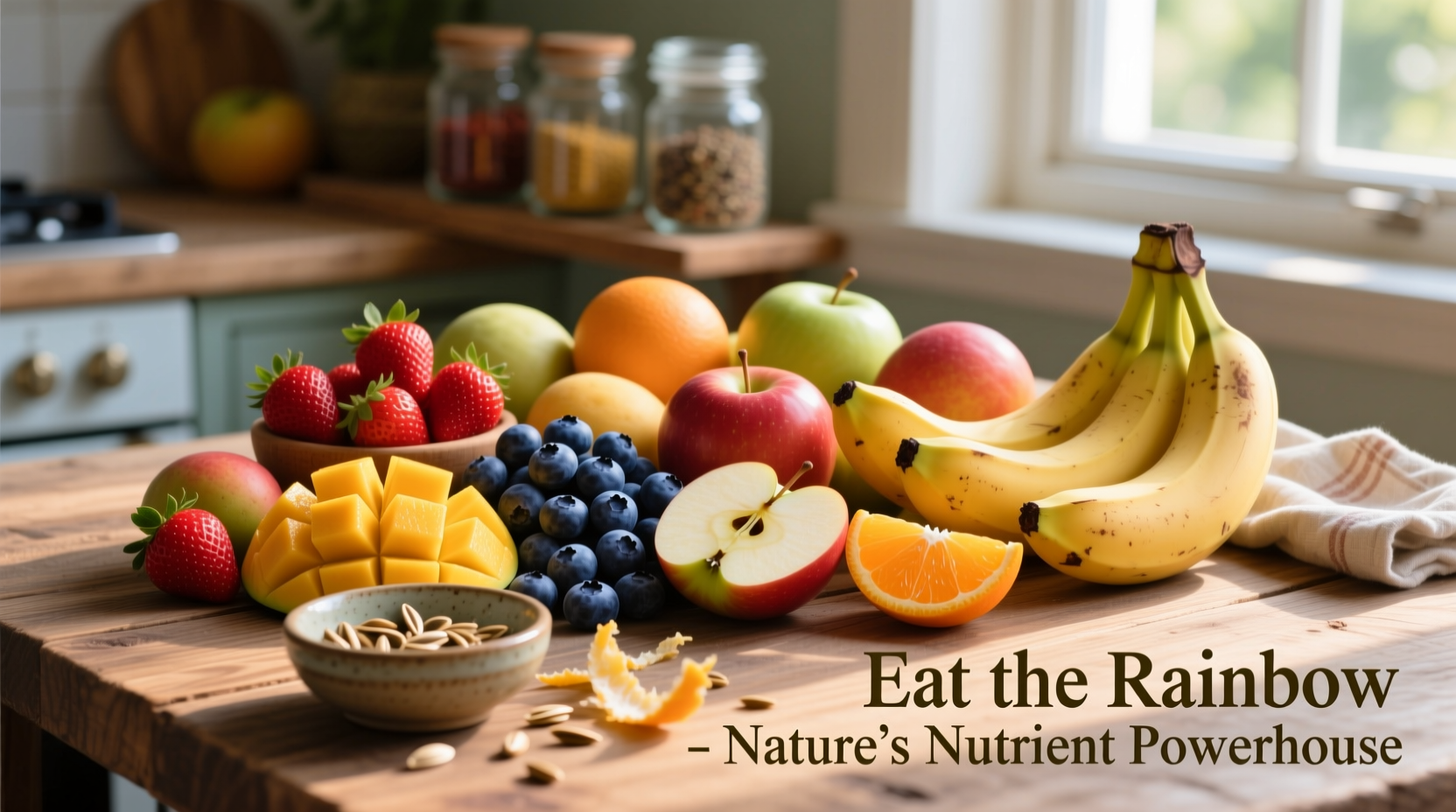
Fruit consumption - Foods rich in natural sugars like pineapple, citrus, and berries contain fructose that may subtly influence bodily fluids. However, a 2022 review in Nutrition Reviews found minimal evidence connecting specific foods to semen composition changes.
What Doesn't Work (Despite Popular Claims)
Many online suggestions lack scientific backing:
- "Taste enhancer" supplements - No FDA-approved products exist for this purpose
- Garlic or asparagus - These affect urine odor but not semen composition
- Artificial sweeteners - Don't transfer to reproductive fluids
- "Detox" cleanses - May disrupt natural bodily functions
The American Urological Association emphasizes that significant taste changes usually indicate underlying health conditions rather than dietary effects.
When to Consult a Healthcare Professional
Sudden, dramatic changes in semen characteristics warrant medical evaluation. Contact a healthcare provider if you notice:
- Strongly unpleasant or foul odors
- Color changes (yellow, green, or blood-tinged)
- Pain during ejaculation
- Consistency changes (lumpy or watery)
These symptoms could indicate infections or other medical conditions requiring treatment. The Centers for Disease Control and Prevention recommends regular sexual health checkups as part of comprehensive wellness.
Realistic Expectations for Sexual Wellness
Instead of focusing on semen taste modification, consider these evidence-based approaches to enhance intimate experiences:
- Maintain overall health through balanced nutrition
- Practice good oral hygiene before intimate contact
- Communicate openly with partners about preferences
- Focus on mutual pleasure rather than specific tastes
Sexual satisfaction depends more on emotional connection and communication than minor flavor variations. The World Health Organization emphasizes that sexual health involves physical, emotional, mental, and social wellbeing.




 浙公网安备
33010002000092号
浙公网安备
33010002000092号 浙B2-20120091-4