
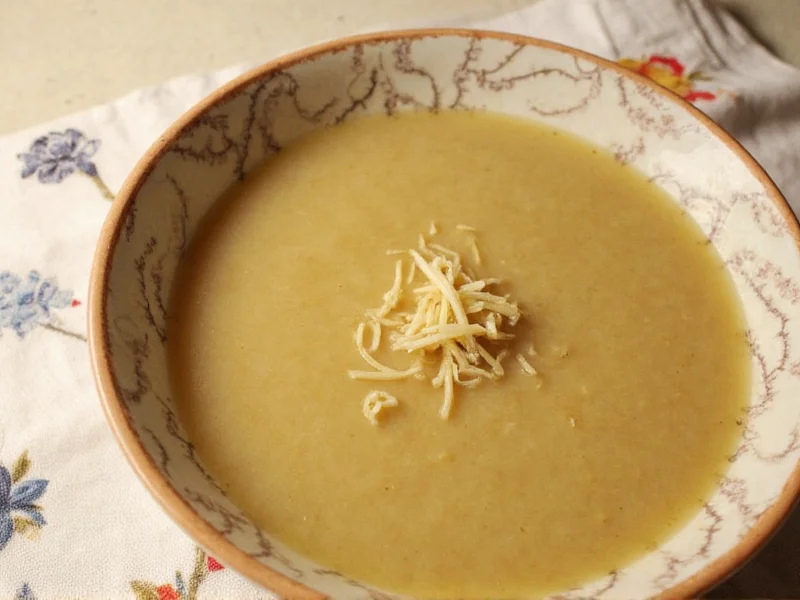
The Essential Guide to Making Perfect Miso Soup at Home
Miso soup represents one of Japan's most cherished culinary traditions, served daily in households across the country. This fermented soybean soup delivers complex umami flavor while providing probiotics and essential nutrients. Creating authentic miso soup requires understanding the delicate balance between ingredients and technique. Unlike many Western soups that benefit from prolonged simmering, miso soup's magic happens at the end of preparation when the miso paste meets the warm broth.
Understanding Miso Soup Components
Authentic miso soup consists of two fundamental elements: dashi (Japanese soup stock) and miso paste. The quality of these components directly determines your final result. Many beginners make the critical error of using miso powder or pre-made broth cubes, which lack the nuanced flavor of traditional preparation. Learning how to make miso soup properly means respecting the ingredients' integrity and understanding why certain steps matter.
Essential Ingredients Explained
Before gathering your ingredients, understand that miso paste comes in three primary varieties, each affecting your soup's character:
| Miso Type | Flavor Profile | Best For | Fermentation Time |
|---|---|---|---|
| White Miso (Shiro) | Sweet, mild | Beginners, delicate soups | 1-3 months |
| Red Miso (Aka) | Strong, salty, complex | Hearty winter soups | 1-3 years |
| Mixed Miso (Awase) | Balanced flavor | Most traditional recipes | Varies |
Traditional Dashi Preparation
The foundation of authentic miso soup is dashi, Japan's fundamental soup stock. While instant dashi packets exist, making your own takes just 20 minutes and transforms the flavor profile significantly. For a vegetarian miso soup recipe, substitute bonito flakes with additional kombu or dried shiitake mushrooms.
Step-by-Step Miso Soup Preparation
- Prepare the dashi: Soak a 4x6 inch piece of kombu in 4 cups of cold water for 30 minutes. Gently heat to 160°F (71°C), removing the kombu just before boiling. Add 1/2 cup bonito flakes, simmer 1 minute, then strain.
- Maintain proper temperature: Cool the dashi to 150-160°F (65-71°C). Never add miso to boiling liquid as this destroys beneficial enzymes and creates bitterness.
- Prepare miso mixture: In a small bowl, combine 3-4 tablespoons of miso paste with 1/2 cup warm dashi, whisking until smooth. This prevents clumping in the final soup.
- Combine ingredients: Gently pour the miso mixture back into the remaining dashi while stirring slowly. Do not boil after adding miso.
- Add delicate ingredients: Stir in cubed silken tofu and sliced green onions. For traditional miso soup ingredients, add wakame seaweed during dashi preparation.
Avoiding Common Miso Soup Mistakes
Many home cooks struggle with miso soup due to preventable errors. Understanding how to properly dissolve miso paste prevents grainy texture. The most frequent mistake involves boiling the miso, which alters both flavor and nutritional value. Another common issue is using inappropriate miso types - white miso works best for beginners making quick miso soup for beginners, while red miso requires careful balancing.
When preparing vegetarian miso soup, ensure your dashi contains no animal products. Many commercial dashi products include bonito, making them unsuitable for strict vegetarians. Substitute with kombu and shiitake mushrooms for authentic flavor without compromising dietary needs.
Customizing Your Miso Soup
Once you've mastered the basic technique, experiment with seasonal variations. In spring, add fresh asparagus tips; summer calls for corn kernels; autumn welcomes mushrooms; and winter benefits from root vegetables. For protein variations, consider adding cooked chicken, shrimp, or clams to create heartier versions of this traditional soup.
Understanding how to make miso soup without dashi remains possible using vegetable broth, though the authentic umami depth will be compromised. For best results with store-bought broth, enhance with a small piece of kombu simmered for 20 minutes before adding miso.
Serving and Storage Guidelines
Serve miso soup immediately in small bowls, as the flavors continue developing off heat. Traditional Japanese meals serve miso soup after the main course, contrary to Western soup courses. Leftover soup keeps refrigerated for 2 days, though separation may occur. Gently reheat without boiling and re-whisk before serving.
Why Homemade Miso Soup Beats Store-Bought
Commercial miso soup products often contain preservatives, excessive sodium, and lack the live cultures found in properly prepared homemade versions. When you learn how to make miso soup authentically, you control the sodium content and preserve the probiotic benefits that support digestive health. The difference in flavor complexity between homemade and instant versions represents one of the most dramatic improvements possible in Japanese cooking.
Can I make miso soup without dashi?
Yes, you can make miso soup without dashi by using vegetable broth as a base. For best results, simmer the broth with a small piece of kombu (dried kelp) for 20 minutes to extract umami compounds before adding miso. While not traditional, this creates a satisfying vegetarian alternative that maintains authentic flavor elements.
Why shouldn't I boil miso paste?
Boiling miso paste destroys its delicate flavor compounds and beneficial probiotics. The ideal temperature for adding miso is between 150-160°F (65-71°C). Higher temperatures cause the miso to become bitter and lose its complex umami characteristics. Always cool your broth slightly before incorporating the miso paste.
What's the difference between white and red miso for soup?
White miso (shiro miso) ferments for 1-3 months, yielding a sweet, mild flavor ideal for beginners and delicate soups. Red miso (aka miso) ferments 1-3 years, creating a stronger, saltier profile better suited for hearty winter soups. For most traditional miso soup recipes, mixed miso (awase) provides balanced flavor, but white miso works best for everyday preparation.
How do I prevent my miso soup from becoming grainy?
To prevent grainy miso soup, always create a slurry by mixing the miso paste with a small amount of warm broth in a separate bowl before adding to the main pot. Whisk vigorously until completely smooth. Never add dry miso directly to hot broth. Using a traditional miso soup whisk (called a saishoku) helps achieve the smoothest texture.
Can I make miso soup vegetarian or vegan?
Absolutely. Traditional dashi contains bonito flakes (fish), but you can create authentic vegetarian miso soup by using kombu (kelp) and dried shiitake mushrooms for the broth. This version maintains the essential umami flavor while being completely plant-based. Just ensure your miso paste doesn't contain any non-vegetarian additives, which is rare but possible in some commercial products.




 浙公网安备
33010002000092号
浙公网安备
33010002000092号 浙B2-20120091-4