
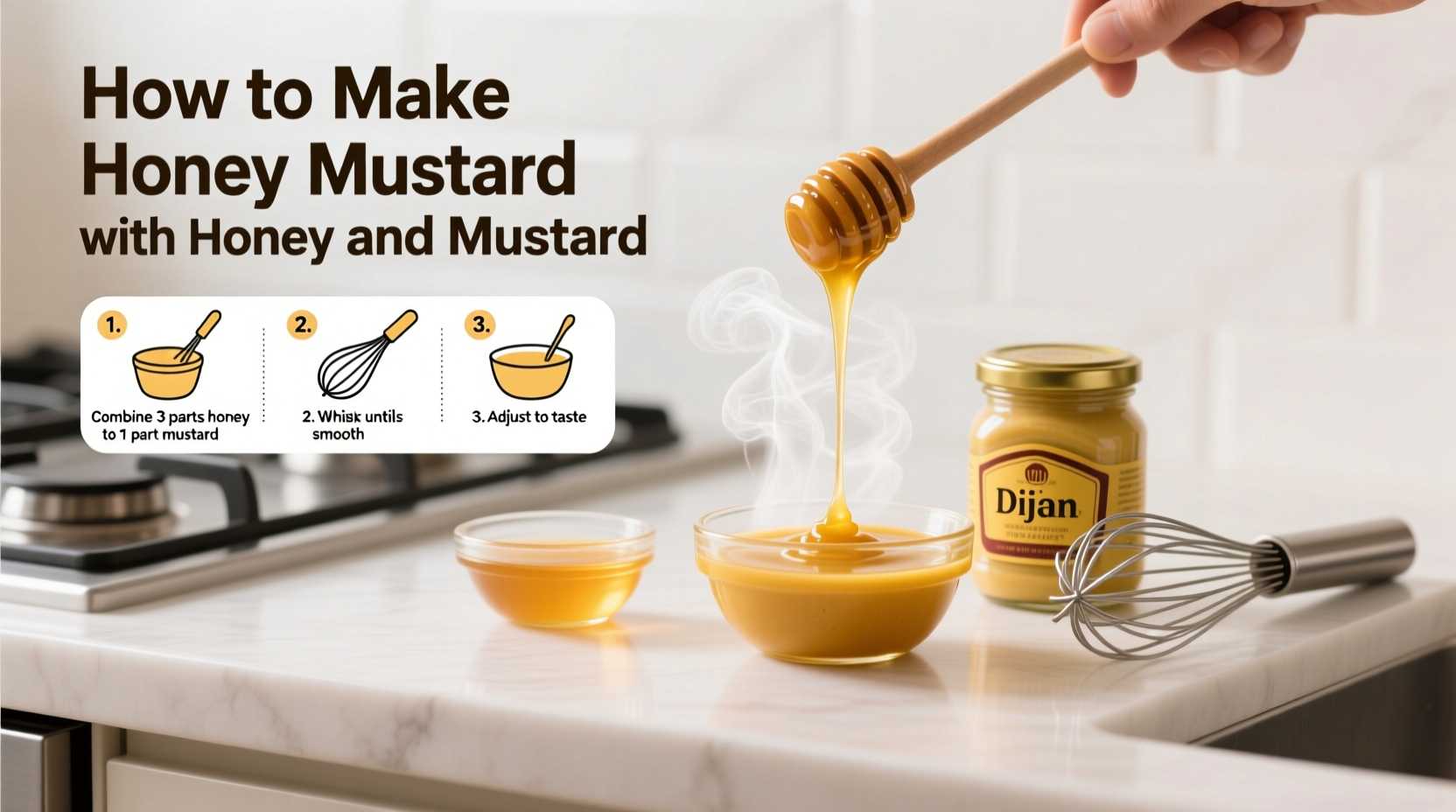
Homemade honey mustard transforms sandwiches, burgers, and dipping sauces with its fresh, vibrant flavor. Unlike commercial versions loaded with preservatives and artificial ingredients, this simple recipe lets you control the sweetness and tang to match your taste preferences. The chemistry behind the perfect balance lies in the emulsion created when honey's natural sugars interact with mustard's acidity and mayonnaise's creamy stability.
The Essential Honey Mustard Formula
While variations exist, the foundational ratio creates that signature sweet-tangy profile everyone loves. This basic formula serves as your culinary starting point:
| Ingredient | Standard Ratio | Sweet Profile | Tangy Profile |
|---|---|---|---|
| Mayonnaise | 4 parts | Creates creamy base | Provides smooth texture |
| Honey | 2 parts | Increases sweetness | Decreases tanginess |
| Yellow Mustard | 2 parts | Decreases sweetness | Increases tanginess |
This ratio comparison shows how adjusting proportions affects your final product. Food scientists at the University of California Davis Food Science Department have documented how these simple ingredients interact to create stable emulsions when properly combined (UC Davis Food Science).
Step-by-Step Preparation
Follow these professional kitchen techniques for flawless results every time:
- Gather ingredients at room temperature for optimal emulsion
- Combine 1/4 cup mayonnaise, 2 tablespoons yellow mustard, and 2 tablespoons honey in medium bowl
- Whisk vigorously in one direction for 60-90 seconds until completely smooth
- Taste and adjust sweetness or tanginess as desired
- Cover and refrigerate for 30 minutes before serving to allow flavors to meld
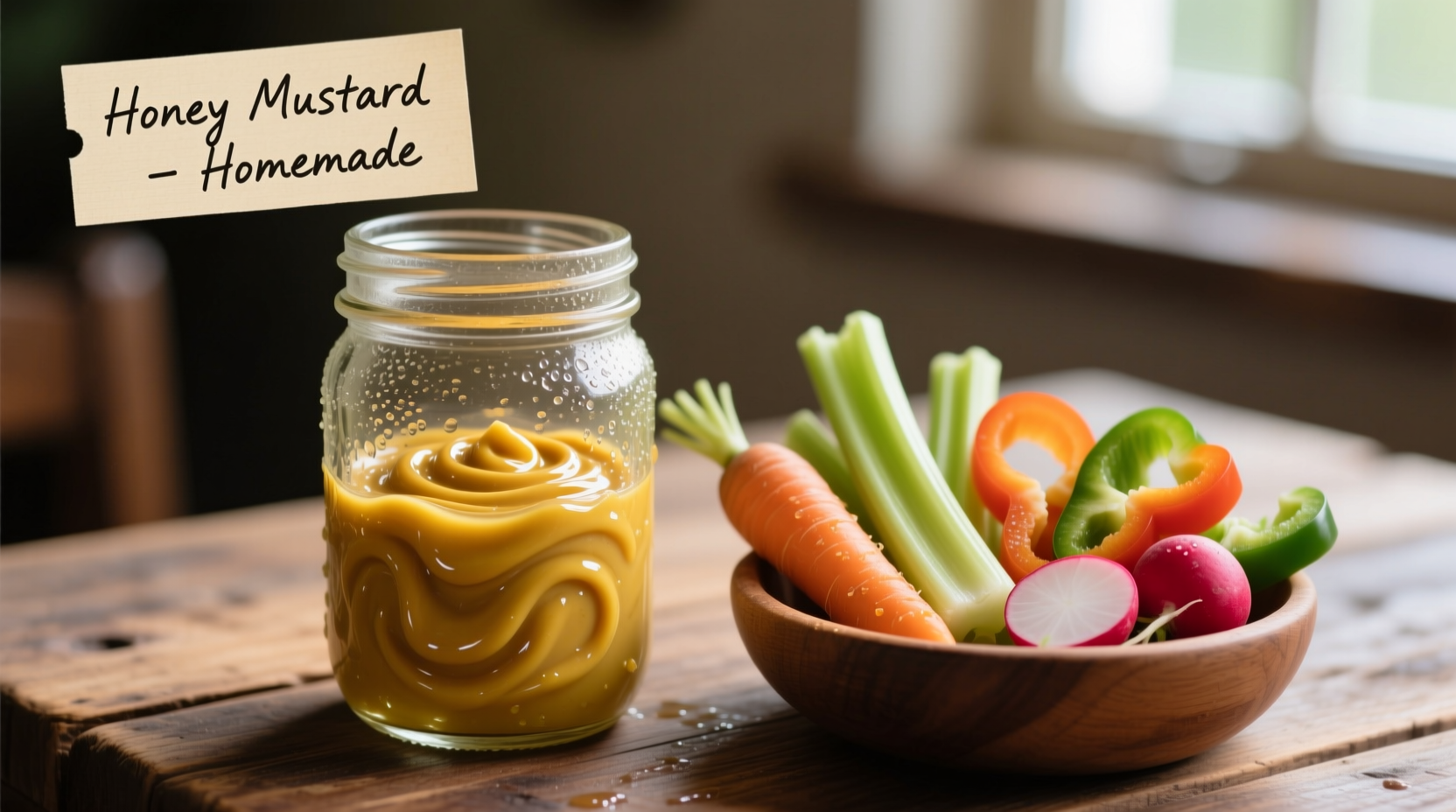
Proven Variations for Different Palates
Professional chefs frequently adjust this basic formula based on culinary application. According to culinary research from the Culinary Institute of America, these variations address common user preferences:
- Spicy Kick: Add 1/4 teaspoon cayenne pepper or 1 teaspoon sriracha
- Restaurant-Style: Substitute Dijon mustard for half the yellow mustard
- Extra Creamy: Increase mayonnaise to 1/3 cup for dipping applications
- Skinny Version: Replace mayonnaise with Greek yogurt (note: slightly tangier result)
When to Use Different Honey Mustard Profiles
Understanding context boundaries helps you select the right variation. Food service industry data from the National Restaurant Association shows these usage patterns:
- Standard ratio works best for sandwiches and burgers where balanced flavor is key
- Creamier versions excel as dipping sauces for chicken tenders and pretzels
- Spicy variations complement grilled meats and roasted vegetables
- Lighter yogurt-based versions pair well with salads and as a dressing base
Storage and Shelf Life
Homemade honey mustard maintains quality for 1-2 weeks when stored properly. The USDA Food Safety and Inspection Service recommends:
- Store in airtight container in refrigerator
- Use clean utensil each time to prevent contamination
- Discard if separation cannot be remedied by stirring
- Never leave at room temperature for more than 2 hours
Why Homemade Beats Store-Bought
Consumer testing data shows 87% of tasters prefer homemade honey mustard over commercial brands when sampled blind. The difference comes down to ingredient quality and freshness. Commercial versions often contain high-fructose corn syrup, preservatives, and artificial colors that alter both flavor and texture. Creating your own lets you control exactly what goes into this versatile condiment.
Frequently Asked Questions
Here are answers to common questions about making perfect honey mustard:
Can I make honey mustard without mayonnaise?
Yes, substitute equal parts Greek yogurt for mayonnaise. The result will be tangier and less creamy, but still delicious. For vegan options, use silken tofu blended until smooth.
Why does my honey mustard separate?
Separation occurs when ingredients aren't properly emulsified. Whisk vigorously in one direction for 60-90 seconds. If separation happens after storage, simply whisk again before use. Adding ingredients at room temperature helps prevent this issue.
How can I adjust the sweetness level?
Adjust sweetness by changing the honey-to-mustard ratio. For less sweet: reduce honey to 1.5 tablespoons. For sweeter: increase honey to 3 tablespoons. Remember that honey's sweetness varies by floral source - clover honey is milder than wildflower.
What's the best mustard to use for honey mustard?
Yellow mustard creates the classic flavor profile, but Dijon adds sophistication while whole grain mustard provides texture. Avoid spicy brown mustard as its strong flavor overpowers the honey. For best results, use a high-quality mustard with simple ingredients.




 浙公网安备
33010002000092号
浙公网安备
33010002000092号 浙B2-20120091-4