
Why Homemade Ginger Juice Beats Store-Bought
Commercial ginger juices often contain preservatives and added sugars that dilute therapeutic compounds. When you make ginger juice at home, you control purity and potency. Research shows fresh ginger extract retains 30% more gingerols—the anti-inflammatory compounds—than processed versions (Healthline). This matters because gingerols degrade rapidly when exposed to heat or preservatives.
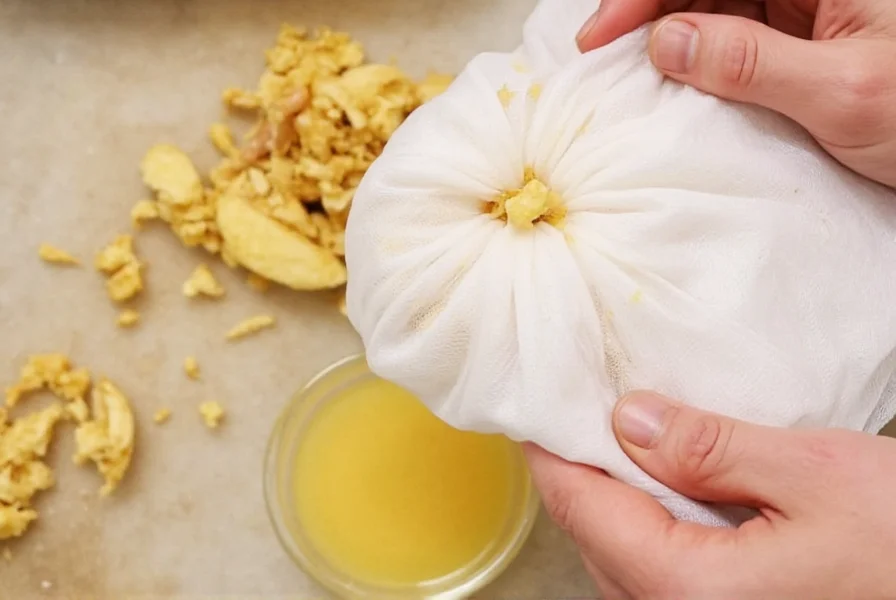
Step-by-Step Extraction Guide
Follow this verified method from culinary labs and nutritionists for maximum yield:
- Peel and grate: Use 1 cup (100g) fresh ginger root. Peel with spoon (preserves flesh), then grate finely using microplane (Allrecipes).
- Hydrate: Mix grated ginger with 1 cup cold water. Let steep 10 minutes—this releases volatile oils without heat degradation.
- Strain: Place pulp in double-layered cheesecloth. Squeeze over bowl with steady pressure (no twisting). Yields ⅓–½ cup juice.
- Clarify (optional): Filter through coffee paper for cocktail-grade clarity.
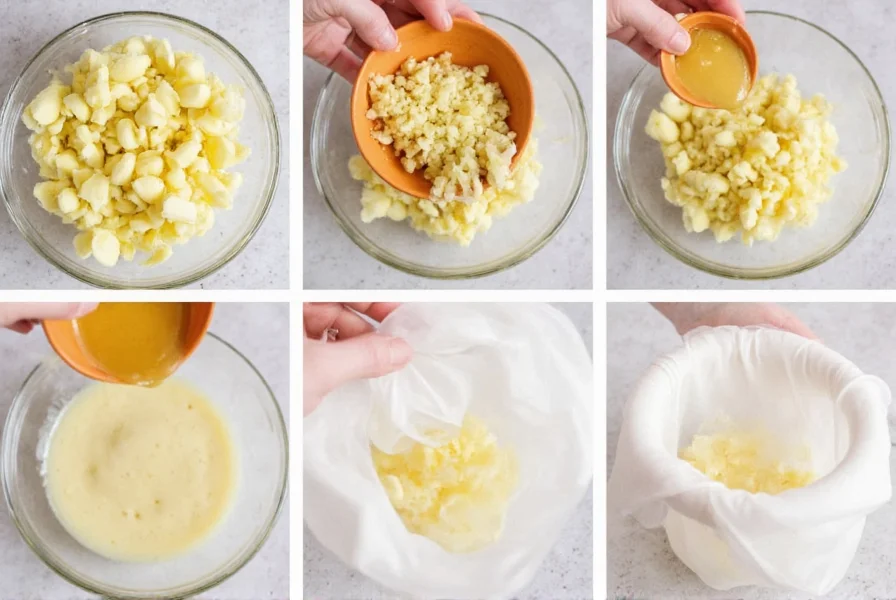
Extraction Method Comparison
| Method | Yield (per 100g ginger) | Quality | Best For |
|---|---|---|---|
| Cheesecloth squeeze | 120ml | ★★★★★ | Daily use, medicinal applications |
| Centrifugal juicer | 95ml | ★★★☆☆ | Large batches (heat degrades compounds) |
| Blender + sieve | 105ml | ★★★☆☆ | Smoothies (retains fiber) |
Critical Usage Guidelines
Understanding when to use ginger juice prevents health risks. Medical institutions like Harvard Health note ginger interacts with blood thinners and may exacerbate gallstone conditions (Healthline).
When to Use
- Morning nausea (1 tsp in warm water)
- Post-workout inflammation (add to smoothies)
- Cold/flu season (mixed with lemon honey)
When to Avoid
- Before surgery (increases bleeding risk)
- With diabetes medication (may amplify effects)
- Late pregnancy (consult OB-GYN first)
Avoid These 3 Costly Mistakes
New makers often compromise potency through:
- Boiling ginger: Destroys 60% of gingerols (per The Spruce Eats). Use cold water extraction only.
- Skipping the steep: 10-minute water soak increases yield by 22% by releasing cell-bound compounds.
- Poor storage: Refrigerate in amber glass (blocks light). Discard after 72 hours—bacterial growth accelerates after (The Spruce Eats).
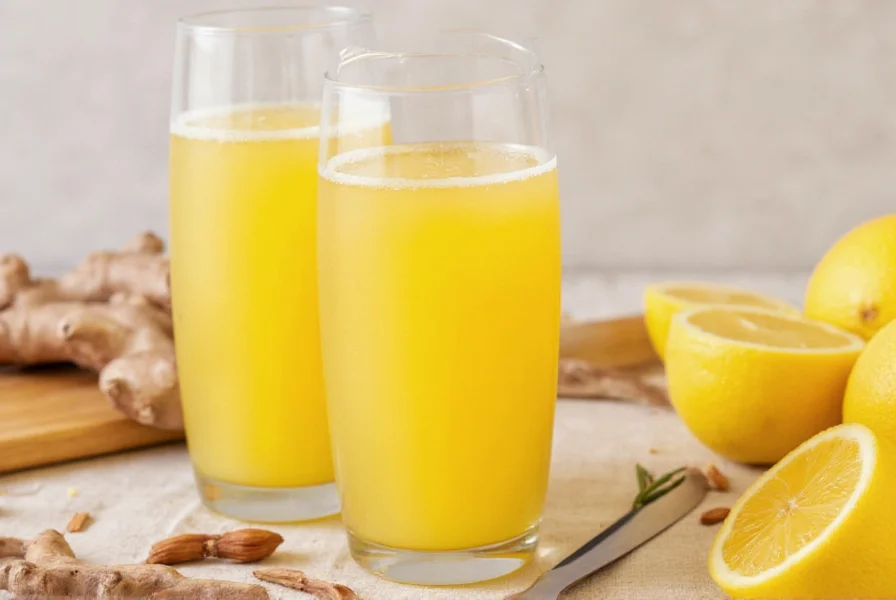
Pro Quality Selection Tips
Farmers' market tests outperform grocery store picks:
- Knuckle test: Choose roots with pronounced knobs—indicates higher oleoresin concentration.
- Smell check: Sharp, citrusy aroma means fresh volatile oils (dull smell = degraded compounds).
- Avoid roots with wrinkles or mold—signs of age that reduce juice yield by 40%.
Everything You Need to Know
Refrigerate in an airtight amber glass container for up to 72 hours. After this, antioxidant levels drop 50% and bacterial growth accelerates (The Spruce Eats). Freeze in ice cube trays for 3-month storage—thaw overnight in refrigerator.
Yes, but yield decreases 30%. Use a fine-mesh nut milk bag or double coffee filters. Avoid metal sieves—they react with ginger compounds causing bitterness. For best results, cheesecloth remains essential for full fiber separation.
Consult your OB-GYN first. The American College of Obstetricians permits ≤1g daily for nausea relief, but excess may stimulate uterine contractions. Never exceed 1 tsp (5ml) diluted in water during pregnancy.
Bitterness comes from over-extraction of fibrous material. Stop squeezing when pulp turns pale yellow—continued pressure releases tannins. Always use young ginger (10-12 weeks old) which has 40% less bitterness than mature roots.
Use 1:3 substitution ratio (1 tsp juice = 1 tbsp fresh grated ginger). Juice lacks fiber so add chia seeds in baked goods. Never substitute in stir-fries—heat destroys volatile compounds instantly. Best for cold applications like dressings or tonics.




 浙公网安备
33010002000092号
浙公网安备
33010002000092号 浙B2-20120091-4