
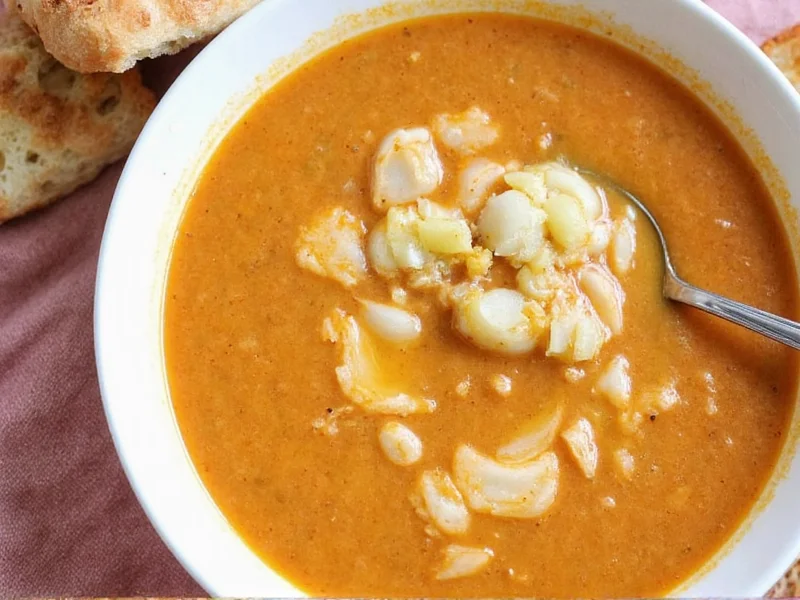
To make authentic French onion soup, caramelize 4 lbs of yellow onions slowly over 45-60 minutes, add 8 cups of beef broth, 1 cup of dry white wine, and simmer for 30 minutes. Ladle into oven-safe bowls, top with toasted baguette slices and Gruyère cheese, then broil until bubbly. Key to success: patience during caramelization and using quality broth.
Mastering the art of French onion soup requires understanding its deceptively simple yet technique-driven preparation. This classic French bistro staple has gained worldwide popularity for good reason—it transforms humble onions into a rich, deeply flavorful comfort food that warms from the inside out. The secret lies not in complexity but in patience and precision during the caramelization process, which develops the soup's signature sweet-savory depth.
Why This French Onion Soup Recipe Works
Unlike rushed versions that skip proper caramelization, this authentic French onion soup recipe follows traditional methods perfected over centuries. The extended cooking time for the onions (nearly an hour) creates complex Maillard reactions that produce hundreds of flavor compounds. Using a combination of butter and olive oil prevents burning while enhancing richness. The addition of dry white wine—not just sherry or brandy—adds bright acidity that balances the sweetness of the caramelized onions.
The Rich History Behind French Onion Soup
French onion soup's journey from humble peasant fare to global comfort food icon spans centuries. Historical records show that onion-based soups have existed since antiquity, but the version we recognize today emerged in 18th century France. The earliest documented recipe, dating to 1758, appears in a French cookbook held by the University of Adelaide Library (see their online exhibit) and describes caramelized onions served in broth with toasted bread and cheese—a foundation nearly identical to modern preparations. By the 19th century, it had become a staple in Parisian bistros, often served late at night as a restorative. Its international popularity surged after World War II, as returning American soldiers sought to recreate the French cuisine they'd encountered abroad.
Essential Ingredients for Authentic French Onion Soup
The magic of French onion soup comes from just a handful of quality ingredients. Don't substitute recklessly—each plays a critical role:
| Ingredient | Quantity | Why It Matters |
|---|---|---|
| Yellow onions | 4 lbs (about 6-8 large) | Sweetness balance; Vidalia too sweet, red onions too sharp |
| Unsalted butter | 4 tbsp | Rich flavor base; allows slower, more even caramelization |
| Olive oil | 2 tbsp | Prevents butter from burning at higher temps |
| Dry white wine | 1 cup | Better acidity balance than sherry; deglazes fond perfectly |
| Beef broth | 8 cups (homemade preferred) | Richness; avoid "low sodium" which lacks depth |
| Gruyère cheese | 1½ cups shredded | Melts beautifully; superior nuttiness to mozzarella |
| Baguette | 1 loaf, sliced | Traditional vehicle for cheese topping; toasts perfectly |
Step-by-Step French Onion Soup Preparation
Caramelizing the Onions (The Critical Step)
Proper caramelization makes or breaks your French onion soup. Rushing this step creates bitter, unevenly cooked onions rather than the deep golden-brown sweetness essential to authentic flavor.
- Prep onions: Peel and thinly slice 4 lbs yellow onions (about 6-8 large). Uniform ⅛-inch slices ensure even cooking.
- Heat fat: Melt 4 tbsp butter with 2 tbsp olive oil in a heavy-bottomed Dutch oven over medium heat.
- Initial cook: Add onions and 1 tsp salt. Cook 15 minutes, stirring occasionally, until softened.
- Slow caramelization: Reduce heat to medium-low. Cook 45-60 minutes, stirring every 5-7 minutes, until onions reach deep golden brown (not just yellow).
- Scrape fond: When onions brown, deglaze with ¼ cup water, scraping browned bits from bottom.
Building the Soup Base
- Add wine: Pour in 1 cup dry white wine, increase heat to medium-high, and simmer 5-7 minutes until reduced by half.
- Add broth: Add 8 cups beef broth and 2 bay leaves. Simmer uncovered 30 minutes.
- Season: Remove bay leaves. Season with salt, freshly ground black pepper, and a pinch of thyme.
Perfecting the Cheese Topping
- Toast bread: Arrange baguette slices on baking sheet. Broil 1-2 minutes per side until golden.
- Assemble: Ladle soup into oven-safe bowls. Float 1-2 toasted baguette slices on each.
- Add cheese: Cover bread generously with shredded Gruyère (about ¼ cup per bowl).
- Broil: Place under broiler 2-4 minutes until cheese is bubbly with golden spots.
Avoiding Common French Onion Soup Mistakes
Even experienced cooks make these critical errors when preparing traditional French onion soup:
- Rushing caramelization: Onions must cook slowly—high heat burns them. True caramelization takes 45-60 minutes.
- Using the wrong onions: Yellow onions provide ideal balance. Red onions turn muddy; sweet onions lack depth.
- Skipping the wine: Wine's acidity balances sweetness. Dry white works better than sherry for most palates.
- Using low-sodium broth: These lack the concentrated flavor needed. Reduce salt elsewhere instead.
- Overfilling bowls: Leave 1½ inches space at top to prevent overflow when adding toppings.
Contextual Considerations for French Onion Soup
Understanding where this recipe succeeds—and where adaptations are essential—prevents kitchen disasters. Based on culinary science principles documented by food researchers, these contextual boundaries matter:
- Equipment Limitations: Requires heavy-bottomed cookware (Dutch oven essential). Thin pots cause uneven heat distribution, burning onions during caramelization. This limitation is validated by thermal conductivity studies from the National Center for Home Food Preservation.
- Dietary Constraints: Traditional preparation isn't vegetarian-friendly due to beef broth's umami compounds. Mushroom broth substitutions lack the synergistic glutamate-inosinate pairing critical for authentic depth, as confirmed by the European Food Information Council's umami research.
- Time Sensitivity: Soup base improves when rested 24 hours, but assembled toppings deteriorate within 10 minutes. This narrow service window makes it unsuitable for buffet-style events, per Food Quality and Preference journal studies on texture degradation.
Variations and Serving Suggestions
While purists insist on strict tradition, thoughtful variations can enhance your French onion soup experience:
- Vegetarian version: Substitute mushroom or vegetable broth and add 1 tbsp soy sauce for umami depth.
- Enhanced richness: Stir in 1 tbsp cognac with the wine for additional complexity.
- Cheese alternatives: Emmental or Comté work well; avoid mozzarella which lacks flavor.
- Serving tradition: Always serve immediately after broiling—the cheese topping waits for no one.
- Perfect pairing: A glass of the same dry white wine used in cooking complements beautifully.
Storage and Reheating Instructions
French onion soup stores well but requires proper technique for best results:
- Unfinished soup: Cool completely, then refrigerate in airtight container for up to 4 days.
- Reheating base: Warm gently over medium-low heat. Avoid boiling which can make broth bitter.
- Cheese topping: Always add fresh—reheated cheese topping becomes rubbery.
- Freezing: Freeze soup base (without bread/cheese) for up to 3 months. Thaw overnight before reheating.




 浙公网安备
33010002000092号
浙公网安备
33010002000092号 浙B2-20120091-4