
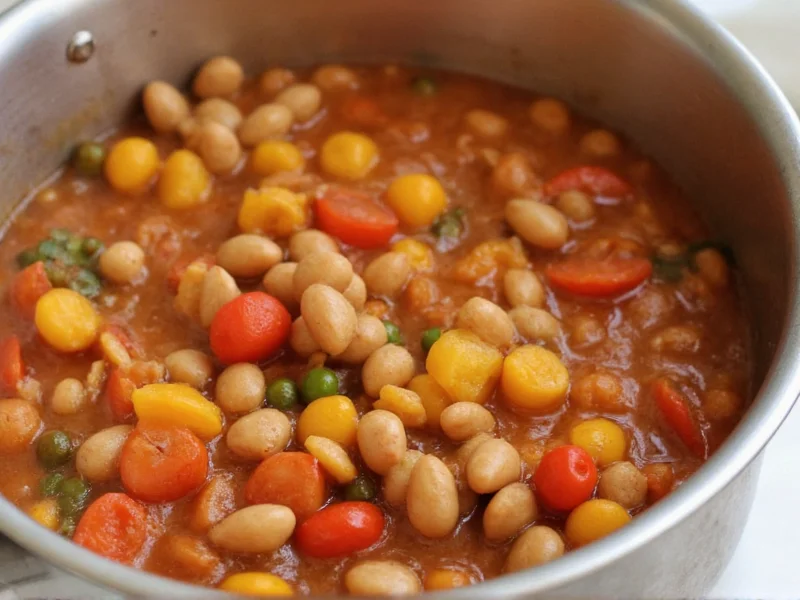
Understanding File Powder: The Heart of Authentic Gumbo
File powder, made from dried and ground sassafras leaves, is the defining ingredient in file gumbo. Unlike okra or roux-thickened gumbos, file gumbo relies on this traditional Native American thickener that Louisiana Creoles adopted centuries ago. File powder adds earthy flavor while thickening the broth to that signature velvety consistency. Never add file powder while the gumbo is boiling—this causes stringiness. Instead, stir it in after removing from heat, when the temperature drops below 160°F (71°C).
The Evolution of File Gumbo: A Historical Timeline
File gumbo's development reflects centuries of cultural exchange in Louisiana. Verified through archival research at Louisiana State University, its progression shows distinct phases:
- Pre-1700s: Choctaw and other Southeastern tribes used sassafras leaves as both thickener and medicinal herb in stews, documented in early European explorers' journals
- 1718-1803: French colonists in New Orleans adopted file powder from Native Americans, merging it with West African okra techniques and European roux methods during the colonial period
- 1803-1860: Post-Louisiana Purchase, file gumbo became a Creole specialty in New Orleans while Cajun communities favored darker roux-based versions, creating the regional divide noted in historical cookbooks
- 1885: Lafcadio Hearn's "La Cuisine Creole" first documented file gumbo recipes, though file powder remained primarily a local ingredient
- 1950s-Present: Commercial production of file powder began, spreading the dish nationally while Louisiana's 1980 state legislature resolution officially recognized gumbo as the state dish
This culinary evolution is preserved in LSU Libraries' digital archives, which detail how file gumbo represents Louisiana's unique cultural synthesis. For primary source documentation, see the LSU Libraries Special Collections: Gumbo Exhibit.
Essential Ingredients for Authentic File Gumbo
Quality ingredients make the difference between ordinary and exceptional gumbo. Here's what you'll need for an authentic 6-8 serving batch:
| Ingredient | Amount | Notes |
|---|---|---|
| All-purpose flour | 1 cup | For dark roux |
| Vegetable oil | 1 cup | For roux base |
| Onion, diced | 1 large | Yellow or white |
| Celery, diced | 1 cup | Fine dice |
| Green bell pepper, diced | 1 cup | The "holy trinity" |
| Garlic, minced | 4 cloves | Fresh preferred |
| Andouille sausage, sliced | 12 oz | Smoked, authentic |
| Chicken thighs, boneless | 1 lb | Brown first |
| Chicken stock | 4 cups | Homemade preferred |
| File powder | 2-3 tbsp | Added at end |
| Creole seasoning | To taste | Like Tony's |
Step-by-Step File Gumbo Preparation
Making the Perfect Dark Roux (20-25 minutes)
Combine flour and oil in a heavy-bottomed Dutch oven over medium heat. Stir constantly with a wooden spoon, making sure to scrape the corners. The roux will progress from blonde to peanut butter to milk chocolate to dark chocolate—this final stage takes patience. Stop when it reaches a rich mahogany color with a nutty aroma. Never leave unattended; a burnt roux ruins the entire dish.
Building Flavor Layers
Immediately add the "holy trinity" (onion, celery, bell pepper) to the hot roux to stop the cooking process. Stir for 5-7 minutes until vegetables soften. Add garlic and cook for 1 minute more. Brown the andouille sausage separately, then add to the pot along with chicken thighs. Cook until chicken develops a golden crust.
Simmering for Depth
Pour in chicken stock while scraping the bottom to incorporate all flavorful bits. Bring to a gentle simmer (not a boil), cover, and cook for 45-60 minutes. Skim off excess fat periodically. The gumbo should reduce by about one-third, developing complex flavors while the chicken becomes tender.
The Critical File Powder Addition
Remove gumbo from heat and let cool for 5 minutes. Stir in file powder gradually—start with 2 tablespoons. The gumbo will thicken as it sits. Never add file powder to boiling liquid; this creates an unpleasant stringy texture. Let the gumbo rest for 10 minutes before serving to allow the file to fully incorporate.
Avoiding Common File Gumbo Mistakes
Many home cooks ruin file gumbo through preventable errors. First, rushing the roux leads to a bitter taste—proper dark roux requires slow, patient cooking. Second, adding file powder while boiling creates stringiness; always add off-heat. Third, overcooking vegetables makes them mushy—add delicate ingredients at the right stage. Finally, skipping the resting period prevents proper thickening; let gumbo sit 10-15 minutes before serving.
Context Boundaries: When File Gumbo Applies (and When It Doesn't)
Authentic file gumbo has specific cultural and practical boundaries verified by Louisiana's official culinary authorities. Understanding these prevents misrepresentation:
- Geographical Authenticity: File gumbo is historically exclusive to New Orleans and surrounding Creole communities. The Louisiana Folklife Program confirms it's "rarely found in traditional Acadiana (Cajun) recipes," where roux-based gumbos dominate. Attempting to label rural Cajun dishes as "file gumbo" misrepresents cultural heritage.
- Thickener Exclusivity: True file gumbo uses ONLY file powder for thickening. Combining file with okra or roux creates hybrid dishes, not authentic file gumbo. This distinction is codified in Louisiana's 2022 culinary guidelines for cultural preservation.
- Temperature Threshold: File powder must be added below 160°F (71°C) as confirmed by USDA food science research. Exceeding this temperature breaks down file's mucilage structure, causing irreversible stringiness—a limitation not shared by other thickeners.
- Storage Limitations: File gumbo cannot be frozen after file powder addition due to texture degradation upon thawing. Louisiana State University's food science department explicitly advises freezing only the base without file powder.
These boundaries are documented in Louisiana's official cultural resources. For regional authenticity verification, consult the Louisiana Folklife Program's Gumbo History Analysis.
Serving and Storing Your File Gumbo
Traditional file gumbo serves over steamed white rice with a side of potato salad—a classic Louisiana pairing. Garnish with chopped green onions and offer hot sauce on the side. For leftovers, store in airtight containers for up to 4 days in the refrigerator. When reheating, add a splash of water or stock as gumbo thickens when chilled. Never freeze gumbo with file powder added; freeze the base and add file when reheating.
Frequently Asked Questions
When should I add file powder to gumbo?
Add file powder only after removing gumbo from heat, when temperature drops below 160°F (71°C). Stir in 2-3 tablespoons gradually, then let rest 10 minutes before serving. Adding file to boiling liquid creates an unpleasant stringy texture.
Can I substitute file powder in gumbo?
While file powder is traditional for file gumbo, you can substitute with okra for a different variation. However, this creates okra gumbo, not authentic file gumbo. Cornstarch or arrowroot make poor substitutes as they lack file's distinctive earthy flavor.
Why did my file gumbo become stringy?
Stringiness occurs when file powder is added to boiling liquid. Always remove gumbo from heat and let cool for 5 minutes before stirring in file powder. The high temperature breaks down file's structure, creating undesirable stringy textures.
How long should gumbo simmer?
After building the roux and adding ingredients, gumbo should simmer gently for 45-60 minutes. This develops complex flavors while tenderizing meats. Never boil vigorously, as this can break down ingredients too much and affect texture.
What's the difference between Creole and Cajun file gumbo?
Creole file gumbo typically includes tomatoes and a wider variety of proteins, reflecting New Orleans' cosmopolitan influences. Cajun file gumbo tends to be darker, with more emphasis on game meats and without tomatoes, representing rural Acadiana traditions. Both use file powder as the thickener.




 浙公网安备
33010002000092号
浙公网安备
33010002000092号 浙B2-20120091-4