

Ever stare at your yellow mustard bottle wondering if you could transform it into the more sophisticated Dijon variety? You're not alone. Many home cooks seek quick solutions when recipes call for Dijon but only yellow mustard is available. While you can't create authentic Dijon mustard from yellow mustard (the base ingredients differ fundamentally), you can make a serviceable substitute that works in most recipes. This guide reveals the precise method to upgrade your yellow mustard to Dijon-style in under 10 minutes.
Understanding the Mustard Transformation Challenge
Before we dive into the conversion process, let's clarify why this isn't a perfect 1:1 substitution. Authentic Dijon mustard originates from Dijon, France, and traditionally uses brown or black mustard seeds steeped in white wine or verjuice. Yellow mustard, meanwhile, relies on milder yellow mustard seeds with turmeric for color.
| Characteristic | Yellow Mustard | Dijon Mustard | Converted Substitute |
|---|---|---|---|
| Primary Seeds | Yellow mustard seeds | Brown/black mustard seeds | Added mustard seed powder |
| Liquid Base | Vinegar/water | White wine/verjuice | White wine + extra vinegar |
| Key Flavor | Mild, tangy | Sharp, complex | Enhanced sharpness |
| Color Source | Turmeric | Natural seed color | Reduced turmeric |
What You Can (and Can't) Achieve
Be realistic about expectations: your converted mustard won't match authentic Dijon's complexity. The chemical reaction between mustard seeds and liquid creates unique compounds that develop over time. Since yellow mustard has already undergone this process with different ingredients, you're modifying an existing product rather than creating from scratch.
However, this method works well for:
- Salad dressings needing sharpness
- Marinades requiring depth
- Cooking applications where texture matters less
It won't work for:
- Recipes specifically requiring authentic Dijon texture
- Raw applications where subtle flavor nuances matter
- Situations needing traditional French mustard character
Required Ingredients and Tools
For one cup of converted Dijon-style mustard:
- 1 cup yellow mustard (check for minimal additives)
- 2 tablespoons dry white wine (like Chablis)
- 1 tablespoon white wine vinegar
- 1½ tablespoons mustard seed powder
- 1 teaspoon honey or sugar
- ½ teaspoon less turmeric (to reduce yellow color)
- Pinch of salt
Essential tools:
- Small mixing bowl
- Whisk
- Airtight container for storage
- Measuring spoons and cups
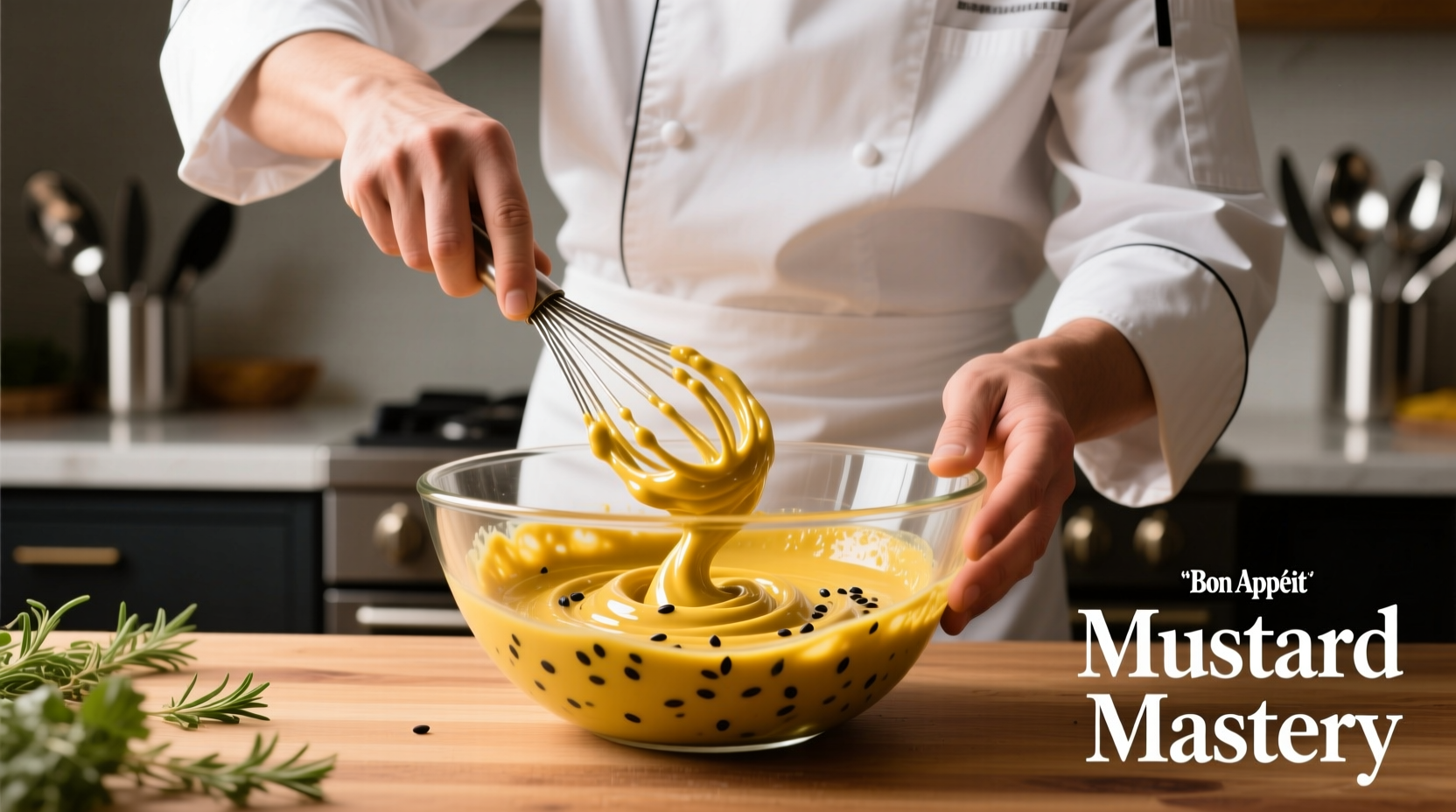
Step-by-Step Conversion Process
Step 1: Prepare Your Base
Pour one cup of yellow mustard into a mixing bowl. Choose a basic yellow mustard without excessive additives for best results. Mustards with garlic or other flavorings will interfere with the Dijon profile you're trying to create.
Step 2: Modify the Liquid Components
Whisk in 2 tablespoons of dry white wine and 1 tablespoon of white wine vinegar. The wine provides the characteristic Dijon complexity while additional vinegar enhances sharpness. According to culinary research from the Culinary Institute of America, the alcohol in wine helps extract additional flavor compounds from mustard seeds that water alone cannot.
Step 3: Enhance the Seed Profile
Add 1½ tablespoons of mustard seed powder. This critical step reintroduces the pungent compounds that make Dijon distinctive. The powder contains sinigrin, the precursor to allyl isothiocyanate—the compound responsible for mustard's heat. As explained in Food Chemistry journal, these compounds develop differently in brown versus yellow seeds.
Step 4: Balance and Refine
Mix in 1 teaspoon honey or sugar to balance acidity, reduce turmeric by ½ teaspoon to minimize artificial yellow color, and add a pinch of salt. Whisk thoroughly until completely combined.
Step 5: Rest and Develop
Cover and refrigerate for at least 4 hours (overnight is better). This resting period allows flavors to meld and the enzymatic reaction to develop more complex notes. Unlike authentic Dijon which ferments over weeks, your conversion needs this shorter rest to integrate the new components.
Troubleshooting Common Issues
Problem: Too mild in flavor
Solution: Add ½ tablespoon more mustard seed powder and let rest additional 2 hours
Problem: Too yellow in color
Solution: Add tiny pinch of paprika for warmer tone (¼ teaspoon per cup)
Problem: Separation occurs
Solution: Whisk vigorously and add ½ teaspoon cornstarch slurry if needed
Storage and Usage Recommendations
Store your converted mustard in an airtight container in the refrigerator for up to 2 weeks. The flavor will continue developing for the first 3 days, so taste before final use. This substitute works best in cooked applications where subtle differences matter less than in raw preparations.
Use your homemade Dijon-style mustard in:
- Homemade salad dressings (3 parts oil to 1 part mustard)
- Meat marinades (especially for pork and chicken)
- Sauces requiring emulsification
- Vegetable roasting mixtures
Better Alternatives When Starting From Scratch
If you have time for a more authentic approach, consider making Dijon mustard from actual mustard seeds. The traditional method involves:
- Soaking brown mustard seeds in white wine for 24 hours
- Blending with少量 verjuice or additional wine
- Resting for 1-2 weeks to develop full flavor
While this requires planning, it produces the complex flavor profile that makes Dijon distinctive. For immediate needs, however, our conversion method provides a practical solution when yellow mustard is your only option.




 浙公网安备
33010002000092号
 浙B2-20120091-4