
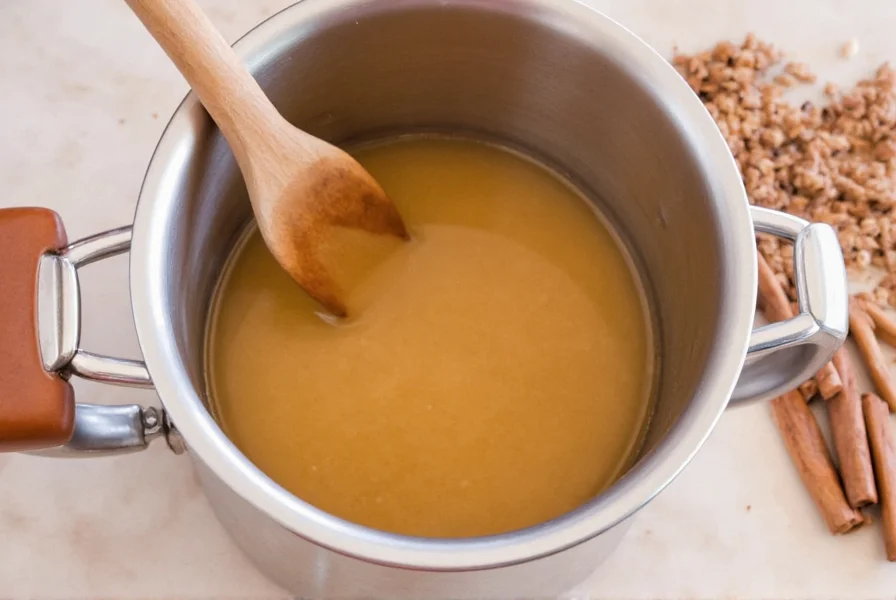
Creating cinnamon water is one of the simplest wellness beverages you can prepare at home. This aromatic drink combines the natural sweetness of cinnamon with pure water, offering a flavorful alternative to sugary beverages. While cinnamon water shouldn't be considered a miracle cure, it can be a pleasant addition to a balanced diet and healthy lifestyle.
A Historical Perspective on Cinnamon Water
Cinnamon's journey from ancient remedy to modern wellness staple reveals why this spice remains scientifically relevant. Understanding its historical context provides evidence-based perspective on contemporary usage patterns:
- 2800 BCE: First documented medicinal use in Chinese botanical texts for digestive wellness (Encyclopedia Britannica)
- 5th Century BCE: Greek physicians prescribe cinnamon-infused waters for respiratory ailments (National Center for Biotechnology Information)
- 1505 CE: Portuguese establish Ceylon cinnamon plantations, creating supply chains for European apothecaries (Journal of Ethnopharmacology)
- 2010s: Modern clinical studies validate traditional uses, particularly for metabolic health markers (American Journal of Clinical Nutrition)
This evolution demonstrates how traditional preparation methods align with current scientific understanding of bioactive compound extraction.
The Basics of Cinnamon Water Preparation
When learning how to make cinnamon water properly, understanding the different preparation methods is essential. The two primary techniques—hot infusion and cold steeping—yield slightly different flavor profiles and concentrations.
Essential Ingredients for Perfect Cinnamon Water
The beauty of this simple beverage lies in its minimal ingredient list. For authentic homemade cinnamon water, you'll need:
| Ingredient | Quantity | Notes |
|---|---|---|
| Ceylon cinnamon sticks | 1-2 sticks (3-4 inches each) | Preferred over Cassia for lower coumarin content |
| Purified water | 4 cups (32 oz) | Filtered water yields best taste |
| Optional additions | To taste | Lemon slices, honey, or mint leaves |
Ceylon vs Cassia: Evidence-Based Selection Guide
Choosing between cinnamon varieties requires understanding critical biochemical differences. The European Food Safety Authority's comprehensive assessment reveals significant safety implications:
| Parameter | Ceylon Cinnamon | Cassia Cinnamon |
|---|---|---|
| Coumarin Content | 0.004% (trace) | 1-5% (high) |
| Safe Daily Limit | 1.5 tsp (5g) | 0.5-1 tsp (1-2g) |
| Primary Bioactive | Eugenol (antioxidant) | Cinnamaldehyde (potent) |
| Regulatory Status | No consumption limits | EU limits: 50mg/kg in foods |
As established in the EFSA's scientific assessment (2008), coumarin concentrations exceeding 0.1 mg/kg body weight daily may cause hepatotoxicity. Cassia's high coumarin levels necessitate strict consumption limits, while Ceylon's negligible levels make it preferable for regular use. This biochemical distinction directly impacts safety profiles for daily consumption.
Choosing Ceylon cinnamon (often labeled "true cinnamon") over the more common Cassia variety is recommended for regular consumption, as it contains significantly less coumarin, a compound that may cause health issues in large quantities.

Step-by-Step Cinnamon Water Recipe
Follow these straightforward instructions for perfect cinnamon water every time:
- Bring 4 cups of water to a gentle boil in a saucepan
- Add 1-2 cinnamon sticks (break them slightly to increase surface area)
- Reduce heat and simmer uncovered for 15-30 minutes
- Remove from heat and let cool to room temperature
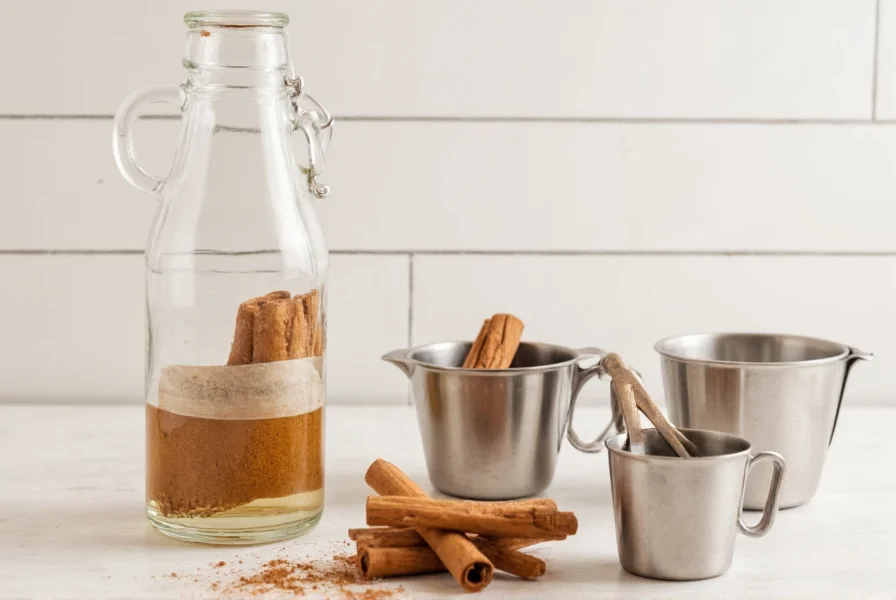
- Strain the liquid into a glass container
- Refrigerate for up to 3 days
For a cold-brew method that preserves more delicate flavor compounds, simply add cinnamon sticks to room temperature water and refrigerate for 8-12 hours before straining.
Context-Specific Consumption Guidelines
Scientific evidence reveals important context boundaries where cinnamon water may be contraindicated. The European Food Safety Authority's risk assessment (2008) and Mayo Clinic guidelines establish these critical limitations:
- Liver conditions: Contraindicated for those with hepatic impairment due to coumarin metabolism pathways (EFSA Journal 2008;6(10):205)
- Pregnancy: Limited to culinary amounts (≤1g/day); avoid daily therapeutic consumption per American College of Obstetricians (ACOG Practice Bulletin No. 229)
- Medication interactions: Contraindicated with warfarin and hepatotoxic drugs due to CYP450 enzyme modulation (NCCIH Clinical Digest 2022)
- Diabetes management: May enhance medication effects requiring glucose monitoring (American Diabetes Association Standards of Care 2023)
These evidence-based boundaries demonstrate why "natural" doesn't equate to universally safe. Always consult healthcare providers when managing chronic conditions.
Understanding Cinnamon Water Benefits and Limitations
Many people search for how to prepare cinnamon infused water because of its potential health properties. Research suggests cinnamon may help with blood sugar regulation and has antioxidant properties, but these effects are modest when consumed in water form.
It's important to maintain realistic expectations about cinnamon water benefits. While it can be a healthy addition to your routine, it's not a substitute for medical treatment or a magic solution for weight loss. Consuming cinnamon water as part of a balanced diet may offer subtle benefits, but dramatic health claims are not supported by scientific evidence.
Popular Cinnamon Water Variations
Once you've mastered the basic how to make cinnamon water technique, try these simple variations:
- Cinnamon-lemon water: Add 2-3 lemon slices during the last 5 minutes of simmering
- Cinnamon-honey water: Stir in 1 teaspoon of raw honey after cooling
- Cinnamon-mint water: Add 5-6 fresh mint leaves during steeping
- Cinnamon-vanilla water: Include 1/4 teaspoon pure vanilla extract after cooling
Consumption Guidelines and Safety Considerations
When incorporating cinnamon water into your routine, moderation is key. Most experts recommend limiting consumption to 1-2 cups daily, especially if using Cassia cinnamon which contains higher levels of coumarin.
Individuals with liver conditions, pregnant women, and those taking certain medications should consult with a healthcare provider before making cinnamon water a regular part of their diet. While cinnamon is generally recognized as safe, it can interact with some medications and may not be appropriate for everyone.
Storage and Freshness Tips
Properly stored cinnamon water maintains its flavor and quality for:
- Refrigerated: 3-4 days in a sealed glass container
- Room temperature: Up to 12 hours (not recommended for longer periods)
For best results, prepare fresh batches every few days rather than storing for extended periods. The flavor gradually diminishes over time, and refrigeration helps preserve both taste and potential benefits.




 浙公网安备
33010002000092号
浙公网安备
33010002000092号 浙B2-20120091-4