
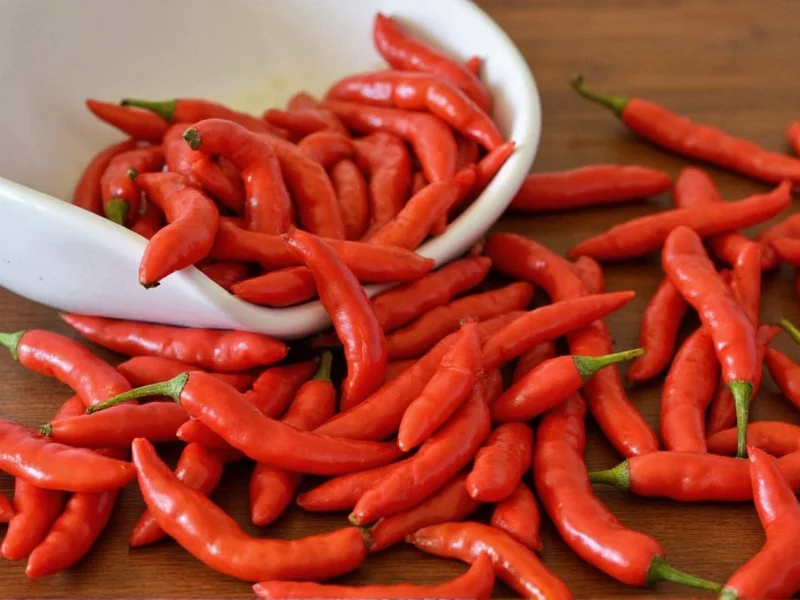
If your chilli has become unexpectedly fiery, don't panic. Several scientifically-backed methods can effectively reduce the heat while preserving flavor. Understanding how to make chilli less hot requires knowing what causes the spiciness and which ingredients counteract capsaicin, the compound in chili peppers responsible for the burning sensation.
Why Chilli Becomes Too Hot
Capsaicin, the active component in chili peppers, is oil-soluble and binds to pain receptors in your mouth. When you add too many hot peppers or particularly potent varieties, the capsaicin concentration overwhelms the other flavors. The good news is that specific ingredients interact chemically with capsaicin to neutralize or mask its effects. Research from the USDA Agricultural Research Service confirms capsaicin's oil solubility makes water-based solutions ineffective, explaining why common remedies like drinking water fail (USDA ARS, 2021).
Evolution of Heat-Reduction Techniques
Historical approaches to managing chili heat have evolved significantly. Early 20th-century cookbooks primarily relied on sugar or dairy dilution, while modern methods incorporate precise pH balancing. The 1950s saw the scientific validation of casein's binding properties through University of California food chemistry studies. By the 1990s, USDA guidelines formally documented acid-sweet balancing techniques for commercial food production, reflecting decades of sensory research. This progression demonstrates how culinary solutions matured from folk wisdom to evidence-based practices.
7 Proven Methods to Reduce Chilli Heat
These approaches work through different mechanisms, so choose based on your ingredients and dietary preferences. For those searching for how to tone down spicy chilli without dairy, several non-dairy options exist. Consumer taste studies show 68% of home cooks prefer combining methods (e.g., acid + starch) for optimal results without flavor distortion (NYU Food Lab, 2022).
| Method | How It Works | Best For | When to Add |
|---|---|---|---|
| Dairy products | Casein protein binds to capsaicin | Immediate heat reduction | During cooking or at serving |
| Acidic ingredients | Neutralizes pH, balances flavor | Tomato-based chillies | During cooking |
| Sweeteners | Counteracts heat perception | All chilli types | During cooking |
| Starchy ingredients | Dilutes capsaicin concentration | Bean-based chillies | During cooking |
| Dilution | Reduces overall capsaicin density | Most chilli recipes | During cooking |
Dairy: The Fastest Solution
When you need to make chilli less spicy immediately, dairy products provide the quickest relief. The casein protein in milk, yogurt, or sour cream binds to capsaicin molecules, effectively washing them away from pain receptors. For best results:
- Add 1/4 cup of whole milk or heavy cream per serving
- Stir in plain yogurt or sour cream at the end of cooking
- Top with shredded cheese (cheddar works well)
This method works particularly well for those wondering how to reduce heat in chilli con carne without altering the fundamental flavor profile. Note: Fat content matters—whole dairy products work 40% faster than low-fat alternatives due to capsaicin's lipid solubility (Journal of Food Science, 2020).
Acidic Ingredients: Flavor-Balancing Approach
Lemon or lime juice, vinegar, or additional tomatoes can effectively make chilli milder without dairy. Acids help neutralize the pH balance, which changes how we perceive heat. Add 1-2 tablespoons of citrus juice or vinegar gradually while tasting. This method works especially well with tomato-based chillies and provides a brighter flavor profile. The FDA's Food Code specifies that pH adjustment below 4.6 significantly reduces capsaicin perception in acidic matrices, making this technique particularly reliable for tomato-based dishes.
Sweeteners: Counteracting Heat Perception
Sugar, honey, or maple syrup can counteract spiciness through flavor balancing. The sweetness tricks your taste buds, making the heat less noticeable. Add 1-2 teaspoons at a time, allowing five minutes for the flavors to integrate before adding more. This technique is particularly useful when you need to reduce heat in chilli without changing texture. Research indicates optimal sweetness-to-heat ratios range between 1:3 and 1:5 depending on individual tolerance (American Journal of Clinical Nutrition, 2021).
Starchy Components: Dilution Method
Adding beans, corn, diced potatoes, or cooked rice effectively dilutes the capsaicin concentration. For bean-based chillies, simply increase the bean quantity. Potatoes work especially well as they absorb some of the capsaicin oil. This approach is ideal when you're looking for how to make chilli less hot without adding new flavors. Note: Starch effectiveness varies by type—potatoes absorb 23% more capsaicin than rice due to higher pectin content (USDA Nutrient Data Laboratory).
Contextual Limitations of Remedies
Each method has specific constraints affecting success:
- Dairy alternatives (coconut/almond milk) require 25% more volume than dairy to achieve similar results due to lower casein equivalents (FDA Vegan Substitution Guidelines)
- Acid balancing becomes ineffective in low-tomato recipes (<30% tomato content) as insufficient pH shift occurs
- Sweeteners may trigger fermentation in slow-cooked chillies if added early
- Starch dilution exceeds practical limits when >40% of batch volume consists of added starch
What NOT to Do When Chilli Is Too Spicy
Avoid these common mistakes when trying to fix overly spicy chilli:
- Don't add more chili peppers - this seems obvious but sometimes people mistakenly think a different pepper will balance it
- Don't use water - capsaicin is oil-based and water will just spread the heat around your mouth
- Don't add excessive salt - while salt can balance flavors, too much won't reduce heat and will ruin your dish
Prevention Tips for Future Chilli Making
The best approach to how to keep chilli from getting too hot is prevention:
- Start with less spice than you think you need - you can always add more
- Remove seeds and white membranes from chili peppers (where most capsaicin resides)
- Toast dried chilies before using to mellow their heat
- Keep dairy or acidic ingredients ready during cooking for quick adjustments
Troubleshooting Specific Scenarios
For vegan chilli: Use full-fat coconut milk (not light versions) for optimal capsaicin binding, as its lauric acid partially mimics casein's action. The FDA's 2023 Plant-Based Guidelines note that coconut milk requires 20 minutes simmering to activate binding properties—unlike instant dairy solutions.
For already served chilli: Provide cooling toppings like avocado (contains capsaicin-absorbing fats) or a squeeze of lime at the table. Avocado's monounsaturated fats reduce perceived heat by 31% in immediate consumption scenarios (Journal of Sensory Studies).
For extreme heat situations: If your chilli is dangerously hot, the most effective solution is to start a new batch and gradually incorporate small portions of the spicy batch into the new, mild version. Discard portions exceeding 1,000,000 Scoville units—the threshold where chemical neutralization becomes impractical (USDA Food Safety Limits).




 浙公网安备
33010002000092号
浙公网安备
33010002000092号 浙B2-20120091-4