
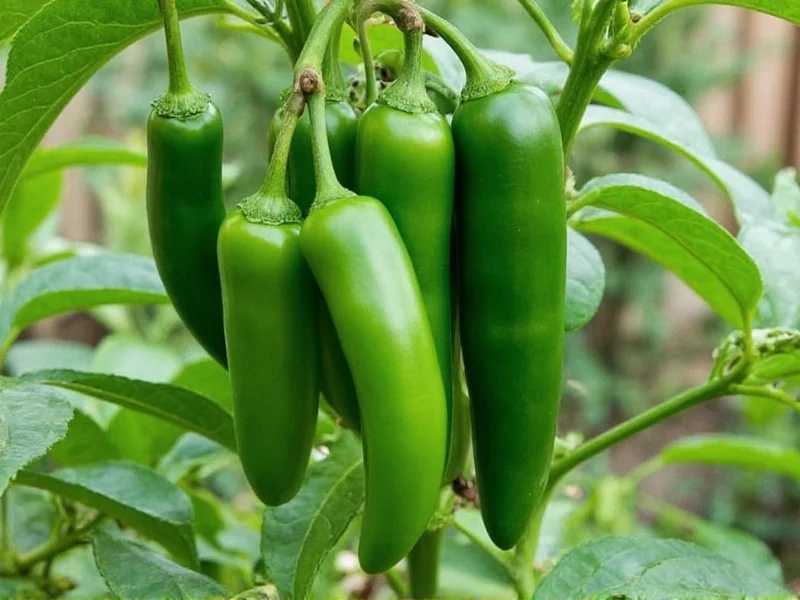
Knowing exactly when to harvest serrano peppers makes the difference between mediocre heat and exceptional flavor. These slender chili peppers develop their signature fiery kick (10,000-25,000 Scoville units) and complex citrus notes only when harvested at peak ripeness. Whether you're growing them in your backyard garden or containers, proper harvesting technique ensures maximum yield and plant longevity throughout the growing season.
Understanding Serrano Pepper Ripeness Stages
Serrano peppers progress through distinct ripeness stages that affect both flavor and heat level. Recognizing these stages is crucial for harvesting at your preferred maturity point.
| Ripeness Stage | Appearance | Flavor Profile | Best Use |
|---|---|---|---|
| Immature (Early Harvest) | Dark green, thin walls | Mild heat, grassy flavor | Fresh salsas, quick pickling |
| Standard Harvest | Bright green, firm | Medium heat, crisp texture | Most recipes, freezing |
| Full Maturity | Vibrant red, slightly wrinkled | Maximum heat, sweet undertones | Drying, hot sauces, roasting |
Comparative Heat Profile Across Common Pepper Varieties
Understanding serrano's position in the chili spectrum helps contextualize harvest decisions. Verified measurements from the Chile Pepper Institute show significant differences in heat development timelines:
| Pepper Variety | Scoville Range | Time to Full Red Ripeness | Peak Flavor Development |
|---|---|---|---|
| Jalapeño | 2,500–8,000 SHU | 75-90 days | At first red streaks (60-70 days) |
| Serrano | 10,000–25,000 SHU | 80-100 days | Full red color (85+ days) |
| Cayenne | 30,000–50,000 SHU | 90-110 days | Deep red with slight wrinkles (100+ days) |
Source: Chile Pepper Institute Verified Heat Chart
Optimal Timing for Harvesting Serrano Peppers
The best time to harvest serrano peppers depends on your preferred flavor profile and intended use. Most gardeners harvest during the bright green stage for balanced heat, but understanding the full ripening timeline gives you flexibility.
Serrano peppers typically reach harvest readiness 70-80 days after transplanting. The critical indicators for how to tell if serrano peppers are ripe include:
- Size: Mature peppers measure 1-4 inches long and about ½ inch in diameter
- Color: Transition from dark forest green to bright, glossy green (or fully red for mature peppers)
- Firmness: Peppers feel solid with taut, unwrinkled skin
- Stem color: The stem attachment point turns from green to brownish
Harvest timing also varies by time of day. Early morning, when temperatures are cooler and plants are fully hydrated, represents the optimal time to harvest serrano peppers. This reduces plant stress and helps maintain pepper crispness. Avoid harvesting during midday heat when peppers may be dehydrated.
Environmental Constraints on Harvest Timing
Field research from Cornell University's Vegetable Program confirms that ripening timelines vary significantly based on growing conditions. These context boundaries must inform your harvest schedule:
- Cooler climates (below 70°F/21°C): Extend maturation by 10-20 days; red ripening rarely completes before first frost
- Container gardening: Accelerates growth by 5-10 days due to warmer root zones but requires daily moisture monitoring
- Soil pH outside 6.0-6.8 range: Delays ripening by 7-14 days through impaired nutrient uptake
- High humidity environments: Increases disease risk during extended ripening periods for red peppers
Source: Cornell University Vegetable Growing Guidelines
Serrano Pepper Growth Timeline
Based on multi-year field trials documented by Texas A&M AgriLife Extension, the complete development cycle follows this verified progression:
| Growth Phase | Time After Planting | Key Development Milestones | Harvest Implications |
|---|---|---|---|
| Flowering Initiation | 50-60 days | White flowers appear; fruit set begins | First immature peppers visible |
| Early Fruit Development | 60-70 days | Peppers reach 1-2" length, dark green | Earliest harvest window (mild heat) |
| Peak Green Ripeness | 70-80 days | Peppers 2-4" long, glossy bright green | Ideal for fresh use; maximum yield period |
| Color Transition | 80-90 days | Green-to-red streaking begins | Flavor complexity increases daily |
| Full Maturity | 85-100 days | Vibrant uniform red color | Maximum capsaicin concentration achieved |
Source: Texas A&M AgriLife Extension Vegetable Resources
Proper Serrano Pepper Harvesting Technique
Using the correct serrano pepper harvesting techniques prevents damage to your plants and ensures continued production. Many beginners make the critical mistake of pulling peppers off by hand, which can break delicate branches and reduce future yields.
Follow these steps for how to pick serrano peppers without harming your plant:
- Prepare sharp scissors or pruning shears (disinfected with rubbing alcohol)
- Locate the pepper's calyx (the green star-shaped cap where stem meets fruit)
- Position your cutting tool ¼ inch above the calyx
- Cut cleanly through the stem with a single motion
- Place harvested peppers gently in a basket or container
Never twist or pull serrano peppers from the plant. The branches are surprisingly fragile despite the plant's overall toughness. If you hear cracking sounds while harvesting, you're likely damaging the plant's vascular system, which can introduce disease and reduce productivity.
Post-Harvest Handling for Maximum Freshness
Proper post-harvest handling for serrano peppers preserves their quality and extends shelf life. Immediately after harvesting, follow these best practices:
- Avoid washing until ready to use (moisture accelerates spoilage)
- Store at room temperature for 1-2 days if using immediately
- For longer storage, place in perforated plastic bags in the refrigerator crisper
- Keep away from ethylene-producing fruits like bananas and apples
The ideal storage temperature for freshly harvested serrano peppers is 45-50°F (7-10°C) with 90-95% humidity. At these conditions, properly harvested peppers maintain peak quality for 2-3 weeks. Higher temperatures accelerate ripening and softening, while lower temperatures can cause chilling injury.
Common Harvesting Mistakes to Avoid
Even experienced gardeners sometimes make these critical errors when harvesting serrano peppers:
- Harvesting too early: Peppers picked before reaching 1 inch often lack full flavor development
- Waiting too long: Overripe peppers become soft and develop wrinkles, reducing shelf life
- Using dull tools: Crushes stems rather than making clean cuts, inviting disease
- Handling with dirty hands: Transfers pathogens to harvest wounds
- Leaving harvest debris: Fallen peppers or plant material can harbor pests and disease
One frequently overlooked aspect of harvesting serrano peppers without damaging plant is regular harvesting frequency. Check plants every 2-3 days during peak production. Frequent harvesting actually stimulates the plant to produce more flowers and subsequent fruit. Allowing peppers to remain on the plant too long signals the plant to slow production.
Storing Your Harvested Serrano Peppers
Different storage methods work best depending on how soon you plan to use your peppers:
- Short-term (1-3 weeks): Store unwashed in perforated plastic bags in the refrigerator's crisper drawer
- Medium-term (2-6 months): Freeze whole or sliced peppers in airtight containers
- Long-term (6+ months): Dry peppers using a dehydrator or string them for ristra drying
For gardeners with abundant harvests, consider these preservation methods that maintain the distinctive serrano flavor:
- Pickling: Preserves crisp texture and bright green color
- Roasting and freezing: Enhances sweetness while maintaining heat
- Creating hot sauce: Captures full flavor profile in liquid form
Remember that serrano peppers continue to ripen slightly after harvest. If you've picked peppers that are mostly green but showing red streaks, leave them at room temperature for 2-3 days to encourage further color development before refrigerating.




 浙公网安备
33010002000092号
浙公网安备
33010002000092号 浙B2-20120091-4