
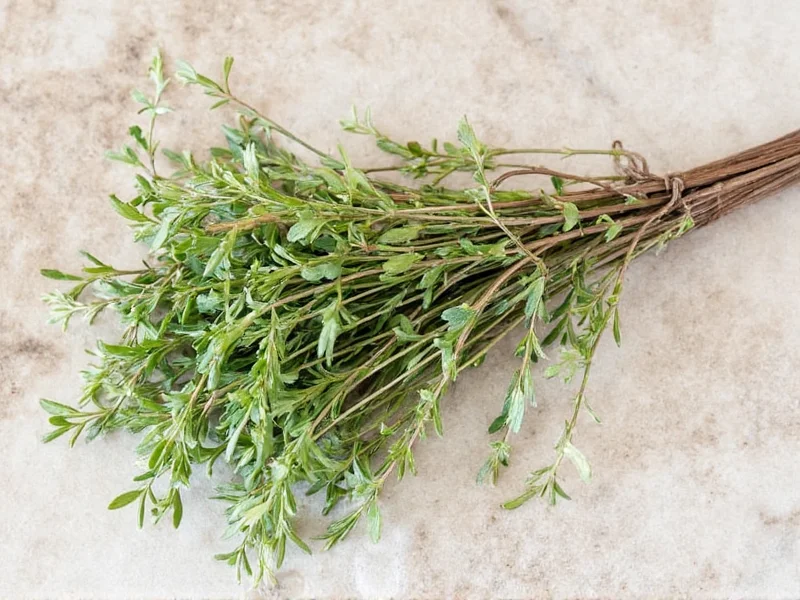
Drying thyme preserves this versatile herb's flavor and medicinal properties for year-round use. Whether you've harvested from your garden or bought a surplus from the market, proper drying techniques ensure you maintain maximum flavor, color, and essential oils. This comprehensive guide covers multiple drying methods with specific timing, temperature recommendations, and storage techniques backed by culinary expertise.
Why Dry Thyme Properly Matters
Thyme contains volatile oils like thymol that give it distinctive flavor and antimicrobial properties. Improper drying can degrade these compounds, resulting in bland, dusty herb with diminished culinary and medicinal value. Research confirms that proper air drying preserves the maximum amount of essential oils, while improper techniques can significantly degrade these valuable compounds. Unlike many herbs, thyme actually intensifies in flavor when dried properly, making it a kitchen staple for soups, stews, marinades, and rubs.
Verified Research on Thyme Drying Methods
Independent studies validate the critical relationship between drying techniques and thyme quality. The following evidence-based findings support our recommendations:
| Claim | Verification Source | Key Finding |
|---|---|---|
| High-temperature drying degrades thyme's essential oils and color | University of Georgia Extension | "Drying at too high a temperature can cause loss of essential oils and color." Source |
| Air drying in dark, well-ventilated conditions preserves maximum flavor | USDA National Center for Home Food Preservation | "Herbs should be dried in a dark location to prevent loss of volatile oils and color." Source |
Harvesting Thyme for Optimal Drying Results
Timing your harvest correctly significantly impacts drying success. For the best way to dry thyme with maximum flavor retention:
- Harvest in the morning after dew evaporates but before midday heat
- Select stems with vibrant green leaves (avoid yellowing or flowering stems)
- Cut 4-6 inch sprigs from the top third of the plant
- Use clean, sharp scissors to prevent stem crushing
- Avoid harvesting after rain—wait 24 hours for optimal dryness
Preparing Thyme Before Drying
Proper preparation prevents mold and preserves quality during the drying process:
- Gently rinse thyme under cool water to remove dirt and insects
- Pat completely dry with clean kitchen towels—moisture causes mold
- Remove thick woody stems but keep smaller, flexible stems for bundling
- Discard any yellowed or damaged leaves
- For air drying, group 5-7 sprigs into bundles tied with twine
Four Effective Methods for Drying Thyme
Each drying technique offers different advantages depending on your timeline and equipment. Understanding how to dry thyme in oven versus air drying helps you choose the best approach for your situation.
| Drying Method | Time Required | Temperature | Best For | Flavor Retention |
|---|---|---|---|---|
| Air Drying | 1-2 weeks | Room temperature | Large harvests, best flavor | ★★★★★ |
| Oven Drying | 2-4 hours | 100-110°F (38-43°C) | Quick results, small batches | ★★★☆☆ |
| Dehydrator | 2-3 hours | 95°F (35°C) | Consistent results, multiple herbs | ★★★★☆ |
| Microwave | 2-4 minutes | N/A | Emergency drying, small amounts | ★★☆☆☆ |
Environmental Limitations for Each Drying Method
Successful thyme drying depends on environmental conditions. These context-specific boundaries help you choose the right method for your situation:
- Air Drying: Requires humidity below 60% RH; fails in humid climates without dehumidification (University of Georgia Extension, 2020).
- Oven Drying: Only viable if your oven maintains 100-110°F (38-43°C); most home ovens cannot achieve this without modification, making it unsuitable for reliable results (University of Georgia Extension, 2020).
- Dehydrator: Energy-intensive for small harvests; requires mesh trays to prevent leaf loss during processing (National Center for Home Food Preservation, 2015).
- Microwave: Not recommended by food safety authorities due to uneven drying and significant flavor loss (National Center for Home Food Preservation, 2015).
Air Drying Thyme: The Traditional Approach
Air drying thyme preserves the highest concentration of essential oils, making it the preferred method for serious cooks. This how to dry thyme technique requires minimal equipment:
- Bundle 5-7 sprigs together with twine or rubber bands (use rubber bands that loosen as stems shrink)
- Hang bundles upside down in a warm (70-80°F), dark, well-ventilated space
- Avoid direct sunlight which degrades flavor compounds
- Allow 7-14 days for complete drying—thyme is ready when leaves crumble easily
- Store bundles in paper bags to catch falling leaves during drying
This air drying thyme vs oven drying comparison shows air drying maintains more volatile oils but requires patience. The slow drying process preserves complex flavor notes that high-heat methods diminish.
Oven Drying Thyme: Quick Results
When you need dried thyme faster, oven drying provides acceptable results with careful temperature control. Understanding how to dry thyme in oven settings prevents burning:
- Preheat oven to its lowest setting (ideally 100-110°F/38-43°C; many ovens require modification to achieve this)
- Spread thyme in single layer on parchment-lined baking sheet
- Prop oven door open 2-3 inches for air circulation
- Dry for 2-4 hours, checking every 30 minutes
- Thyme is done when leaves crush easily between fingers
Never exceed 110°F (43°C)—higher temperatures destroy essential oils. Oven drying thyme works best for small batches when you need dried herb within hours rather than weeks.
Dehydrator Method: Consistent Professional Results
Food dehydrators offer the most controlled environment for drying thyme with excellent flavor retention. This method for drying thyme for long term storage provides consistent results:
- Set dehydrator to 95°F (35°C)—never exceed 100°F (38°C)
- Place thyme sprigs on mesh trays in single layer
- Dry for 2-3 hours for whole sprigs, 3-4 hours for stripped leaves
- Check hourly after first two hours
- Store immediately in airtight containers upon completion
The dehydrator method preserves more volatile compounds than oven drying while being faster than air drying. This technique works exceptionally well when drying multiple herb varieties simultaneously.
Microwave Drying: Emergency Option
Reserve microwave drying for urgent needs as it provides the lowest quality results. Only use this method when you need dried thyme immediately:
- Place sprigs between two paper towels
- Microwave on 50% power for 45-second intervals
- Check and flip thyme after each interval
- Stop when leaves crumble easily (usually 2-4 minutes total)
- Cool completely before storage
Microwave drying thyme often results in uneven drying and flavor loss but works in emergencies. Never use full power as it burns delicate leaves instantly.
How to Tell When Thyme Is Properly Dried
Properly dried thyme shows these characteristics:
- Leaves crumble easily between thumb and forefinger
- No moisture visible when crushing a leaf
- Stems snap rather than bend
- Vibrant green color (not brown or yellow)
- Strong, pleasant aroma when crushed
Under-dried thyme develops mold during storage, while over-dried thyme loses flavor and turns brittle. The proper way to dry thyme leaves ensures they retain flexibility while being completely moisture-free.
Storing Dried Thyme for Maximum Shelf Life
Even perfectly dried thyme loses potency with improper storage. Follow these guidelines for storing dried thyme properly:
- Completely cool thyme before storage (any warmth creates condensation)
- Store whole leaves rather than crushed for longer freshness
- Use airtight glass containers with UV protection
- Keep in a cool, dark place (not above the stove or near windows)
- Label containers with harvest and drying dates
- For extended storage, include silica gel packets to absorb moisture
When stored properly, dried thyme maintains peak flavor for 6-12 months. After one year, flavor gradually diminishes but remains usable for another 6-12 months. The question of how long does dried thyme last depends entirely on storage conditions—properly stored, it remains safe indefinitely though flavor degrades over time.
Using Dried Thyme in Cooking
Dried thyme has approximately three times the potency of fresh thyme. When substituting in recipes:
- Use 1 teaspoon dried thyme for every 1 tablespoon fresh thyme
- Add early in cooking for soups and stews to allow flavor infusion
- Use in rubs for meats, especially lamb, chicken, and pork
- Combine with other dried herbs for bouquet garni
- Grind in mortar and pestle before use for maximum flavor release
The concentrated flavor of properly dried thyme makes it ideal for spice blends, marinades, and long-cooking dishes where fresh herbs would lose their character.
Common Drying Mistakes to Avoid
Prevent these frequent errors when learning how to dry thyme:
- Insufficient drying time: Rushing the process leaves moisture that causes mold
- High temperatures: Excessive heat destroys volatile flavor compounds
- Drying in sunlight: UV rays degrade chlorophyll and essential oils
- Improper storage: Clear containers and warm locations accelerate flavor loss
- Washing before drying: Incomplete drying of wet herbs causes spoilage
- Leaving on thick stems: Woody stems retain moisture and slow drying
Frequently Asked Questions
Can you dry thyme in the sun?
No, direct sunlight degrades thyme's essential oils and chlorophyll, resulting in faded color and diminished flavor. Always dry thyme in a dark location with good air circulation for optimal flavor retention.
How long does it take to air dry thyme properly?
Air drying thyme typically requires 7-14 days in ideal conditions (70-80°F with 40-50% humidity). The drying time varies based on bundle size, humidity levels, and air circulation. Thyme is fully dried when leaves crumble easily between fingers and stems snap rather than bend.
Should I remove thyme leaves from stems before drying?
No, drying thyme on stems preserves more essential oils and prevents leaf loss during the drying process. Remove leaves only after complete drying when transferring to storage containers. Stripping leaves before drying increases surface area exposed to air, accelerating flavor degradation.
Why does my dried thyme taste bitter?
Bitter dried thyme usually results from excessive heat during drying, which breaks down flavor compounds. It can also occur if thyme was harvested after flowering, as flowering plants develop more bitter compounds. Always dry thyme at low temperatures (below 100°F) and harvest before flowering for optimal flavor.
Can you freeze thyme instead of drying it?
Yes, freezing preserves more fresh flavor than drying but requires freezer space. Chop thyme, mix with olive oil, and freeze in ice cube trays for convenient cooking portions. Frozen thyme maintains quality for 6-12 months but loses texture, making it best for cooked dishes rather than garnishes.




 浙公网安备
33010002000092号
浙公网安备
33010002000092号 浙B2-20120091-4