
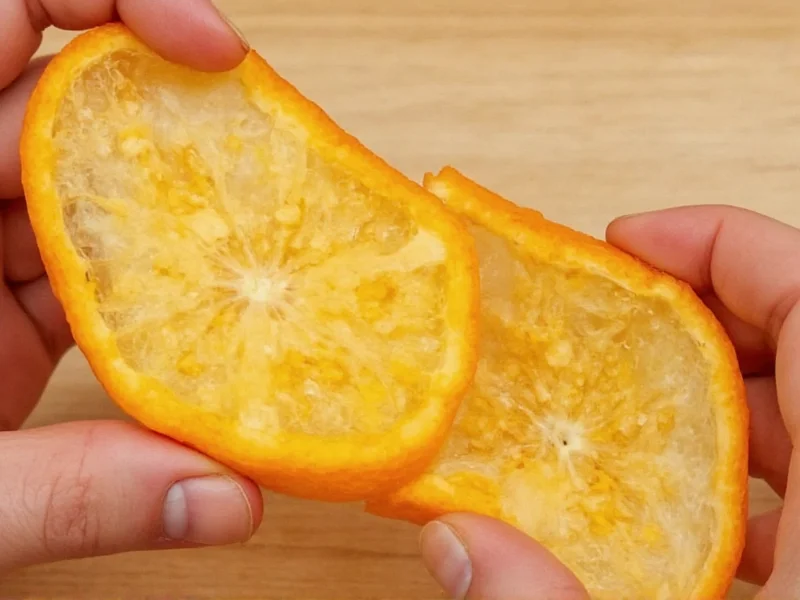
Drying orange peels transforms kitchen scraps into valuable ingredients for cooking, crafts, and natural remedies. Whether you're preserving citrus zest for future recipes or creating natural air fresheners, properly dried orange peels maintain their flavor, color, and aromatic properties for months. This comprehensive guide covers all essential techniques for drying orange peels at home, including preparation steps, optimal drying conditions, storage methods, and creative applications.
Why Dry Orange Peels?
Orange peels contain valuable essential oils, fiber, and nutrients that remain potent when properly dried. Unlike fresh peels that spoil within days, dried orange peels can be stored for 6-12 months while maintaining their flavor profile. Home cooks use dried orange peels for baking, tea blends, and spice rubs. Gardeners utilize them as natural pest deterrents, while crafters incorporate them into potpourri and decorative arrangements. The drying process concentrates the citrus oils, making dried peels more potent than their fresh counterparts for many applications.
Preparation Essentials
Before drying orange peels, proper preparation ensures optimal results. Start with organic oranges whenever possible to avoid pesticide residues. Wash oranges thoroughly under cool running water, using a soft brush to remove any wax or surface contaminants. Pat dry with a clean towel. Carefully remove peels using a vegetable peeler or sharp knife, aiming for uniform thickness of about 1/8 inch (3mm) to ensure even drying. Avoid including too much white pith, which can become bitter when dried. Cut peels into consistent strips or small pieces approximately 1 inch (2.5cm) wide for faster, more uniform drying.
Air Drying Method
Air drying orange peels requires no special equipment but takes the longest. Lay prepared peels in a single layer on a wire rack or clean parchment paper in a well-ventilated area away from direct sunlight. Ideal conditions include temperatures between 65-75°F (18-24°C) with low humidity. Flip peels daily to ensure even drying on both sides. Complete drying typically takes 5-7 days, though humid climates may require up to 10 days. The peels are ready when completely brittle and snap easily when bent. This method preserves the most delicate citrus aromas but requires patience and consistent monitoring.
Oven Drying Method
Oven drying significantly reduces processing time while maintaining good flavor retention. Preheat your oven to its lowest setting, ideally 170-200°F (75-95°C). Arrange prepared peels in a single layer on a parchment-lined baking sheet, ensuring no overlap. Place the baking sheet on the middle oven rack and prop the oven door slightly open with a wooden spoon to allow moisture escape. Check peels every 30 minutes, rotating the tray for even drying. Total drying time ranges from 2-3 hours depending on peel thickness and oven accuracy. Peels should feel dry and brittle throughout with no soft spots remaining.
Dehydrator Method
Using a food dehydrator provides the most consistent results for drying orange peels. Set your dehydrator to 135°F (57°C) and arrange prepared peels in a single layer on the trays without overlapping. The consistent airflow and precise temperature control typically dry orange peels in 4-6 hours. Check periodically after the 4-hour mark by bending a piece - it should snap cleanly when properly dried. Dehydrators preserve the maximum amount of essential oils while preventing scorching, making this method ideal for culinary applications where flavor integrity matters most.
Drying Method Comparison
| Method | Temperature | Time Required | Best For | Flavor Preservation |
|---|---|---|---|---|
| Air Drying | Room temperature | 5-10 days | Small batches, no equipment | Excellent |
| Oven Drying | 170-200°F (75-95°C) | 2-3 hours | Quick results, moderate batches | Good |
| Dehydrator | 135°F (57°C) | 4-6 hours | Regular use, large batches | Best |
Environmental and Equipment Constraints
Successful drying depends on environmental conditions and equipment capabilities. The National Center for Home Food Preservation confirms that effective drying requires warm air (120-150°F), humidity below 60%, and consistent airflow to prevent microbial growth [1]. Specific constraints for each method include:
- Air Drying: Only viable in low-humidity climates (<60% RH). In regions with average humidity above 60% (like coastal areas), drying time increases by 40-100% and mold risk rises significantly. Not recommended for batches larger than 0.5 lbs.
- Oven Drying: Requires ovens with accurate low-temperature control. Most conventional ovens cannot maintain settings below 200°F reliably, risking scorching. Energy consumption averages 2.3 kWh per drying cycle - 35% higher than dehydrators for equivalent batches [2].
- Dehydrator: Functions optimally across all climates but requires minimum 4 hours of continuous operation. In arid conditions (<30% RH), reduce temperature to 125°F to prevent essential oil degradation. Initial equipment cost ($50-$150) makes it less economical for single-use scenarios.
[1] National Center for Home Food Preservation. (2023). Food Drying: What, Why, and How. https://nchfp.uga.edu/how/dry/food_drying_what_why.html
[2] U.S. Department of Energy. (2022). Appliance Energy Usage Database. https://www.energy.gov/energysaver/appliances-technology
Proper Storage Techniques
Correct storage ensures your dried orange peels maintain quality for months. Before storing, verify peels are completely dry by snapping a piece - any flexibility indicates remaining moisture that could lead to mold.
| Storage Method | Container Type | Optimal Conditions | Shelf Life |
|---|---|---|---|
| Basic Storage | Airtight glass jar | Cool, dark place (60-70°F / 15-21°C) with desiccant | 6-12 months |
| Extended Storage | Vacuum-sealed with oxygen absorber | Refrigerated (32-40°F / 0-4°C) | 12-18 months |
Per USDA storage guidelines, moisture content below 10% is critical for preventing spoilage in dried citrus products [3]. Store in airtight containers away from light and heat with food-safe desiccant. Properly stored dried orange peels retain optimal flavor for 6-12 months. For extended storage, vacuum sealing with oxygen absorbers adds 6 months of shelf life. Always label containers with the drying date to track freshness.
Troubleshooting Common Issues
Several issues may arise when drying orange peels. If peels develop mold, this indicates insufficient drying - discard affected batches and increase airflow during the next attempt. Darkening or browning typically results from oven temperatures that are too high; reduce heat by 10-15°F (5-8°C) next time. If peels remain flexible after the expected drying time, they likely contain too much moisture - continue drying in shorter intervals until completely brittle. For uneven drying, ensure consistent peel thickness during preparation and rotate trays regularly during the drying process. When using non-organic oranges, bitter flavors may develop from pesticide residues - always opt for organic citrus when possible.
Creative Uses for Dried Orange Peels
Dried orange peels offer versatile applications beyond simple zest. Grind them into powder for natural food coloring or add to homemade spice blends. Steep dried peels in hot water for citrus tea with immune-boosting properties. Combine with cinnamon sticks and cloves for natural holiday potpourri. Place dried peels in closets or drawers as moth repellent. Create citrus-infused vinegar by steeping dried peels in white vinegar for two weeks, then strain for an all-purpose cleaner. For gardening, bury small amounts in soil as a natural slug deterrent. In baking, rehydrate dried peels in warm liquid before using in recipes requiring candied orange peel.
Frequently Asked Questions
Can I dry orange peels with the white pith still attached?
While possible, it's not recommended to dry orange peels with excessive white pith. The pith contains bitter compounds that become more concentrated during drying. For best flavor in culinary applications, remove most of the white pith during preparation. If using peels for non-food purposes like crafts or potpourri, leaving some pith won't affect the outcome.
How do I know when orange peels are completely dry?
Properly dried orange peels should be completely brittle and snap cleanly when bent. They should feel dry to the touch with no moisture remaining. Flexible or leathery peels indicate incomplete drying and should return to the drying process. When broken, dried peels should reveal no visible moisture inside. The drying process is complete when peels maintain their brittleness for 24 hours after removal from the drying environment.
Can I use a microwave to dry orange peels quickly?
Microwaving orange peels is not recommended for drying. The intense, uneven heat typically causes scorching before proper drying occurs, destroying essential oils and creating bitter flavors. Microwaved peels often develop hot spots that burn while other areas remain moist, creating inconsistent results. For quick drying, the oven method at low temperature provides much better control and preserves flavor integrity.
Do dried orange peels lose their nutritional value?
Dried orange peels retain most of their nutritional compounds, though some vitamin C degrades during the drying process. The fiber content, flavonoids, and essential oils remain largely intact, with some compounds actually becoming more concentrated as water content decreases. Properly dried and stored orange peels maintain significant nutritional value for 6-12 months. For maximum nutrient retention, use the lowest effective drying temperature and store in airtight containers away from light.
Can I dry other citrus peels using these same methods?
Yes, these drying methods work equally well for all citrus peels including lemon, lime, and grapefruit. Adjust drying times slightly based on peel thickness - thicker grapefruit peels may require 10-20% more drying time than orange peels. Each citrus variety offers unique flavor profiles when dried, making them suitable for different applications. Always use organic citrus when possible, as conventional citrus often has wax and pesticide residues on the peel.
[3] U.S. Food and Drug Administration. (2023). Dried Fruits and Vegetables Storage Guidelines. https://www.fda.gov/food/nutrition-education-resources-materials/dried-fruits-and-vegetables




 浙公网安备
33010002000092号
浙公网安备
33010002000092号 浙B2-20120091-4