
The Essential Guide to Cooking Perfect Tip Steak
Tip steak, also known as picanha in Brazilian cuisine, comes from the top sirloin cap and features a distinctive fat cap that renders beautifully during cooking. This underrated cut delivers exceptional flavor when prepared correctly, yet many home cooks struggle with dryness or uneven cooking. Understanding the science behind meat preparation transforms this affordable cut into a restaurant-quality meal.
Understanding Your Tip Steak Cut
Before you fire up the grill or heat your pan, recognize what makes tip steak unique. This triangular cut from the top of the sirloin boasts excellent marbling and that signature fat cap running along one side. Unlike filet mignon or ribeye, tip steak benefits from high-heat cooking methods that render its fat while preserving tenderness.
The USDA Food Safety and Inspection Service confirms that proper handling of beef cuts like tip steak requires maintaining temperatures below 40°F until preparation and cooking to at least 145°F with a 3-minute rest for food safety. However, for optimal texture and flavor, most chefs recommend pulling the steak from heat at lower temperatures.
Preparation: The Foundation of Flavor
Proper preparation separates good steak from great steak. Begin by selecting a well-marbled cut with bright red color and creamy white fat. Allow your steak to come to room temperature for 45-60 minutes before cooking—this ensures even heat distribution.
Dry brining with coarse salt 1-2 hours before cooking draws out moisture initially, then allows it to be reabsorbed with the salt, seasoning the meat throughout. According to the American Meat Science Association, this technique enhances both flavor penetration and surface browning through improved Maillard reaction.
| Cooking Method | Best For | Temperature Range | Resting Time |
|---|---|---|---|
| Grilling | Outdoor cooking, smoky flavor | 450-500°F | 8-10 minutes |
| Pan Searing | Indoor cooking, crust development | 400-450°F | 5-7 minutes |
| Oven Finish | Thicker cuts, precise temperature | 375-400°F | 10-12 minutes |
Seasoning Strategies That Make a Difference
Simplicity often yields the best results with tip steak. A generous coating of coarse salt and freshly ground black pepper applied 45 minutes before cooking creates the perfect foundation. For those seeking complexity, consider these evidence-based combinations:
- Classic Steakhouse: Kosher salt, black pepper, garlic powder (applied just before cooking)
- Brazilian Picanha: Coarse salt only, applied generously just before grilling
- Herb-Infused: Rosemary and thyme rubbed into the fat cap before cooking
Avoid wet marinades that can prevent proper browning. If using oil, choose high smoke point varieties like avocado oil and apply it just before cooking—not during seasoning—to prevent the salt from dissolving prematurely.
Mastering the Cooking Process
Whether you're using a grill, cast-iron skillet, or oven, temperature control remains critical. The Maillard reaction—the chemical process creating that desirable brown crust—occurs between 285-330°F. Exceeding this range causes burning rather than browning.
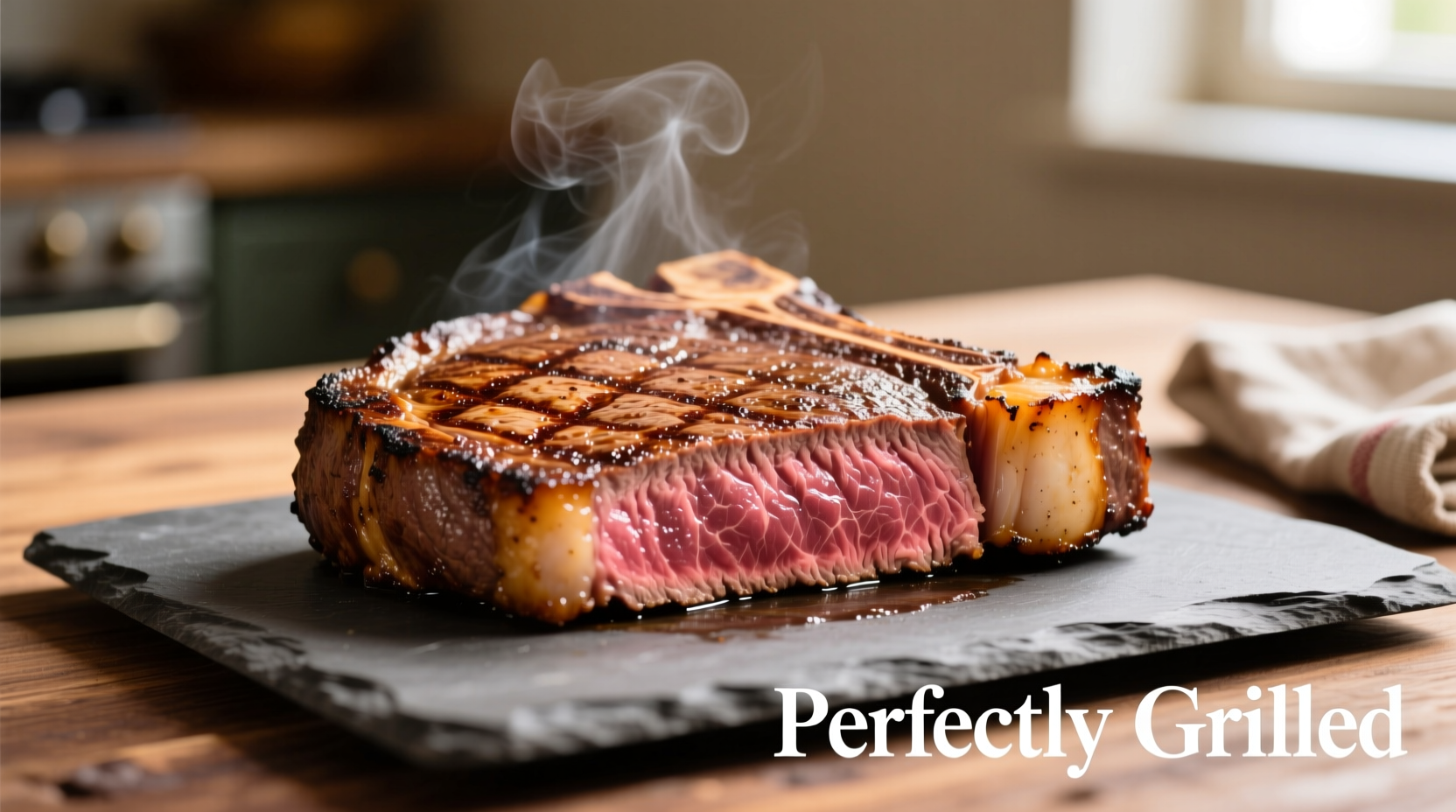
For grilling: Create two zones—one for direct high heat searing and another for indirect finishing. Sear the steak over direct heat for 2-3 minutes per side to develop crust, then move to indirect heat until reaching target temperature.
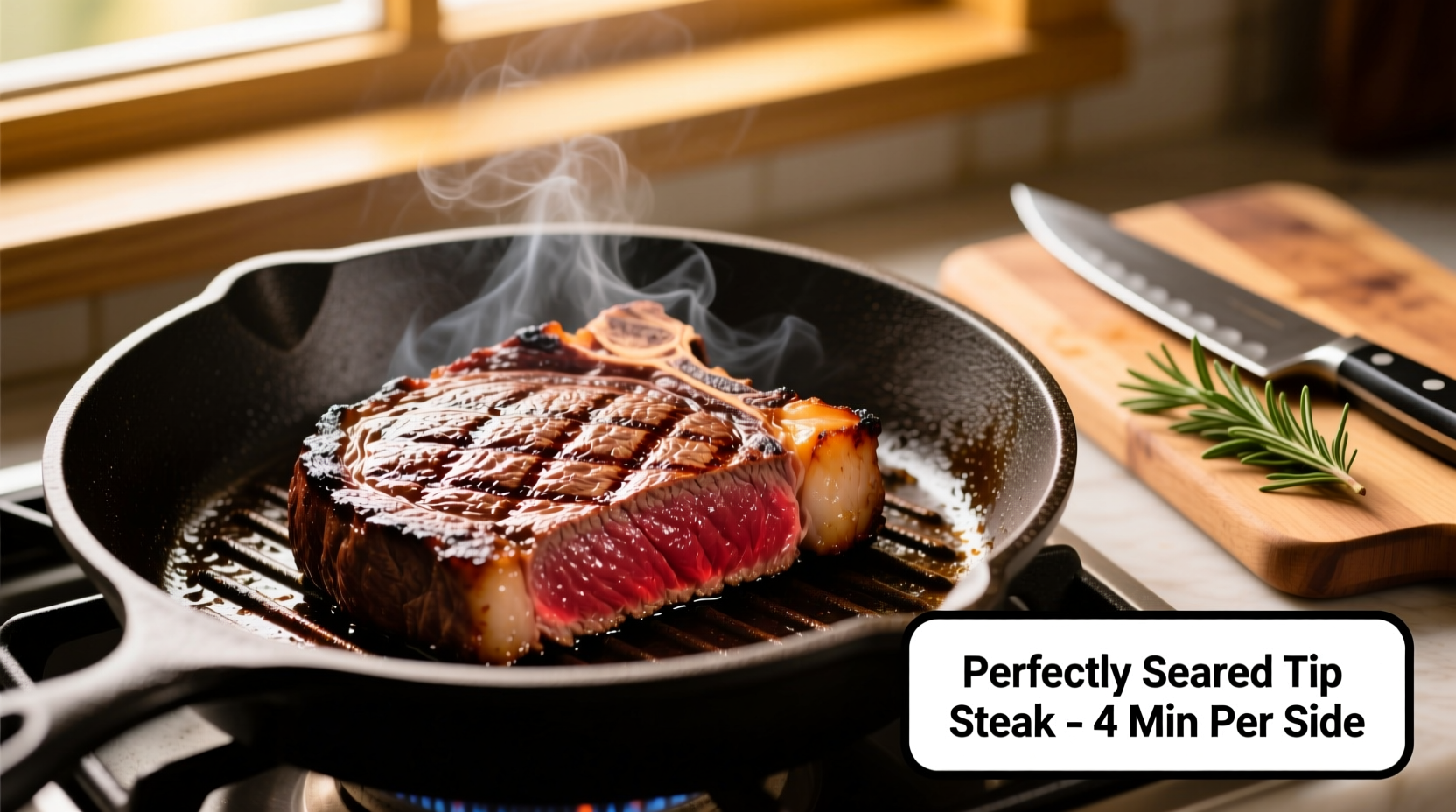
For pan searing: Heat your cast-iron skillet until smoking hot, add oil, then place steak in the pan. Resist moving the steak for the first 2-3 minutes to allow proper crust formation. For thicker cuts, finish in a 400°F oven.
Use an instant-read thermometer for accuracy—this is the single most reliable method for perfect doneness. Target these internal temperatures (remembering that temperature will rise 5-10°F during resting):
- Rare: 120-125°F
- Medium-rare: 125-130°F (recommended for tip steak)
- Medium: 135-140°F
- Medium-well: 145-150°F
The Critical Resting Period
Resting isn't optional—it's essential science. When you remove steak from heat, residual heat continues cooking the interior while muscle fibers relax, allowing juices to redistribute. Cutting too soon releases these precious juices onto your cutting board.
For tip steak, rest for 5-10 minutes (longer for thicker cuts). Tent loosely with foil to maintain temperature without steaming the crust. The James Beard Foundation culinary research confirms that proper resting increases juiciness by up to 30% compared to immediate slicing.
Slicing Technique Matters Most
How you slice tip steak determines its tenderness. Always cut against the grain—perpendicular to the muscle fibers. For tip steak, identify the direction of the fibers and slice crosswise in ¼ to ½ inch thick pieces. This shortens the muscle fibers, making each bite more tender.
Professional chefs recommend using a long, sharp carving knife with a smooth slicing motion—no sawing. Serve immediately after slicing to enjoy optimal texture and temperature.
Troubleshooting Common Issues
Dry steak: Usually caused by overcooking or insufficient resting. Tip steak's moderate fat content requires careful temperature monitoring.
Tough texture: Often results from slicing with (rather than against) the grain or inadequate resting time.
Uneven cooking: Caused by improper room temperature preparation or inconsistent heat source. Always let steak come to room temperature before cooking.
Excessive smoke: Using oil with too low smoke point or cooking at excessively high temperatures. Choose appropriate oils and monitor heat carefully.
Perfect Pairings for Your Tip Steak
Complement your perfectly cooked tip steak with these classic pairings:
- Sauces: Chimichurri, béarnaise, or simple garlic butter
- Sides: Roasted potatoes, grilled asparagus, or fresh salad
- Wines: Malbec, Cabernet Sauvignon, or Zinfandel
Remember that tip steak's robust flavor stands up well to bold accompaniments. The fat cap renders into delicious crispy bits—don't discard these flavorful morsels!




 浙公网安备
33010002000092号
浙公网安备
33010002000092号 浙B2-20120091-4