
The Secret to Perfect Spaghetti: More Than Just Boiling Water
Many home cooks struggle with spaghetti, ending up with mushy strands or clumped-together noodles. The difference between mediocre and exceptional spaghetti comes down to precise technique, not special equipment. In just 12 minutes, you can create restaurant-quality spaghetti that holds sauce beautifully and offers that coveted al dente bite that defines authentic Italian pasta preparation.
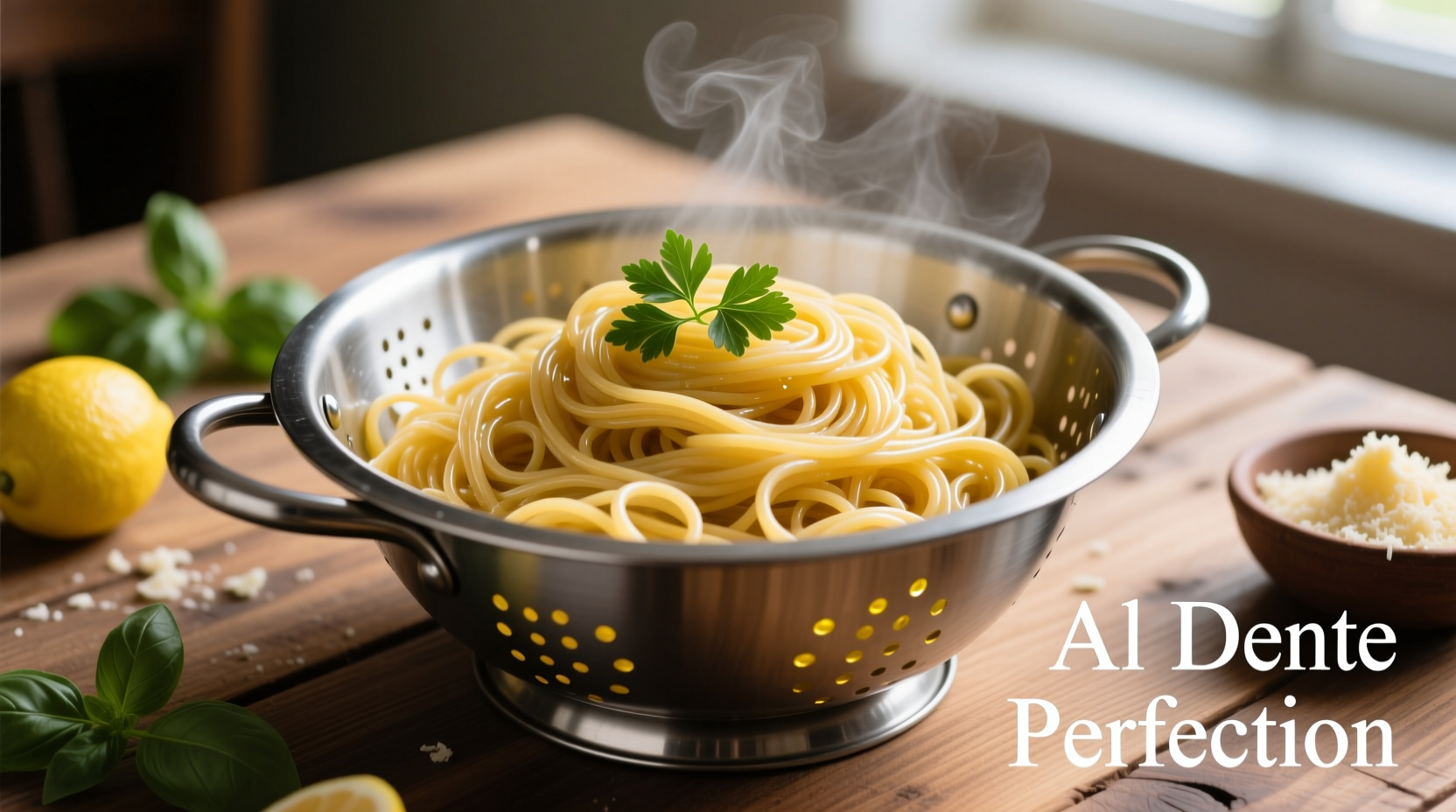
Your Spaghetti Success Toolkit
Before you even turn on the stove, gather these essentials:
- Large pot (at least 6 quarts capacity)
- Wooden spoon or pasta fork
- Timer (critical for perfect texture)
- Colander for draining
- Chef's knife for tasting pasta
The Science-Backed Cooking Timeline
Understanding the pasta cooking process helps you master timing. Here's what happens at each stage:
| Time | Physical Change | Texture Indicator |
|---|---|---|
| 0-2 minutes | Rehydration phase begins | Noodles soften but remain stiff |
| 3-5 minutes | Starch gelatinization accelerates | Noodles become pliable but chewy |
| 6-8 minutes | Optimal starch release for sauce adherence | Al dente texture develops |
| 9+ minutes | Overcooking begins | Mushy texture, poor sauce adherence |
Step-by-Step Perfect Spaghetti Method
Step 1: Water Preparation (The Foundation)
Use 4-6 quarts of cold water per pound of spaghetti. This critical ratio prevents starch concentration that causes sticking. Fill your pot no more than ⅔ full to prevent boil-overs. Add 1½ tablespoons of coarse salt per quart of water after the water reaches a rolling boil. Contrary to popular belief, salting water before boiling does not make it boil faster but does season the pasta throughout.
Step 2: Adding Pasta Properly
Once water returns to a vigorous boil after salting, add spaghetti. For long strands, gently lower them into the water while they're still circular - they'll unfurl as they cook. Immediately stir with a wooden spoon to separate strands and prevent clumping. Maintain a steady boil throughout cooking; reducing heat causes uneven cooking.
Step 3: Timing with Precision
Set your timer for 8 minutes (check package instructions as starting point). At 7 minutes, begin testing for doneness. Fish out a strand, cool slightly, and bite. Perfect al dente spaghetti offers slight resistance in the center with no hard core. Remember: pasta continues cooking from residual heat after draining, so remove it 1 minute before your target time.
Step 4: The Critical Drain & Transfer
Reserve 1 cup of pasta water before draining - this starchy liquid works magic with sauces. Drain spaghetti immediately in a colander, but never rinse. Rinsing removes essential starch needed for sauce adherence. For best results, transfer pasta directly from colander to your waiting sauce pan.
Context-Specific Cooking Adjustments
While our method works for most situations, consider these context boundaries:
- Fresh vs. dried spaghetti: Fresh cooks in 2-3 minutes; dried requires 8-12 minutes
- High-altitude cooking: Add 15-25% more cooking time as water boils at lower temperatures
- Sauce pairing: Heartier sauces like Bolognese need slightly firmer pasta (1 minute less)
- Leftover considerations: Cook 1 minute less if planning to reheat later
Avoid These 3 Common Spaghetti Mistakes
- The Oil Myth: Adding oil to cooking water prevents sauce adherence. Skip it unless preventing boil-overs.
- Overcrowding: Cooking too much pasta in limited water creates gummy results. Cook in batches if needed.
- Ignoring pasta water: That starchy liquid is liquid gold for creating restaurant-quality sauce emulsions.
Serving Like a Professional
For authentic Italian presentation, finish cooking spaghetti in the sauce for 1-2 minutes. The starch on the pasta surface combines with sauce ingredients to create a cohesive dish. Toss continuously over low heat, adding reserved pasta water as needed to create a silky emulsion. Serve immediately in warmed bowls with a light sprinkle of cheese - never drowning the pasta.
Frequently Asked Questions
Q: How much spaghetti per person is appropriate for a main course?
A: For a standard main course, use 2 ounces (56g) of dried spaghetti per person. For heartier appetites or when serving with minimal sauce, increase to 3 ounces (85g).
Q: Why does my spaghetti always stick together during cooking?
A: Sticking occurs from insufficient water (use at least 4 quarts per pound), not stirring during the first 2 minutes of cooking, or overcrowding the pot. Maintain vigorous boiling motion throughout cooking.
Q: Can I cook spaghetti directly in the sauce instead of boiling water?
A: While possible, this method requires significantly more liquid and time. Traditional boiling ensures even cooking and proper starch development. For best results, cook pasta separately then finish in sauce.
Q: How do I know when spaghetti is truly al dente?
A: Perfect al dente spaghetti offers slight resistance when bitten but no hard center. The strand should bend without snapping, and when cut, show a tiny paler center about the size of a pinhead. Always test 1-2 minutes before package time.




 浙公网安备
33010002000092号
浙公网安备
33010002000092号 浙B2-20120091-4